FAQs About Horses and Alfalfa
When fed and managed properly, horses can benefit from alfalfa’s high nutritive value. But is it right for your horse? Here’s what to consider when feeding this forage.

When fed and managed properly, horses can benefit from alfalfa’s high nutritive value. But is it right for your horse? Here’s what to consider when feeding this forage.

An owner asks for help feeding her mare who needs to gain weight but is proving to be a picky eater. An equine nutritionist shares some advice.

Horses can consume hay pellets or cubes rapidly. How can we slow them down to increase their time spent chewing?

Find out how you can keep your metabolically efficient horse healthy when he’s laid up with an injury or chronic illness.

Is one grass hay variety more palatable than another? Should I feed my horse the first or second cutting of hay? Equine nutritionists answer these questions and more.

Dr. Frank Andrews describes how you can reduce your horse’s risk of hindgut ulcers while helping him safely lose weight.

Dr. Mary Beth Gordon describes common treatment protocols for hindgut ulcers in horses and the role horse owners play in treatment.
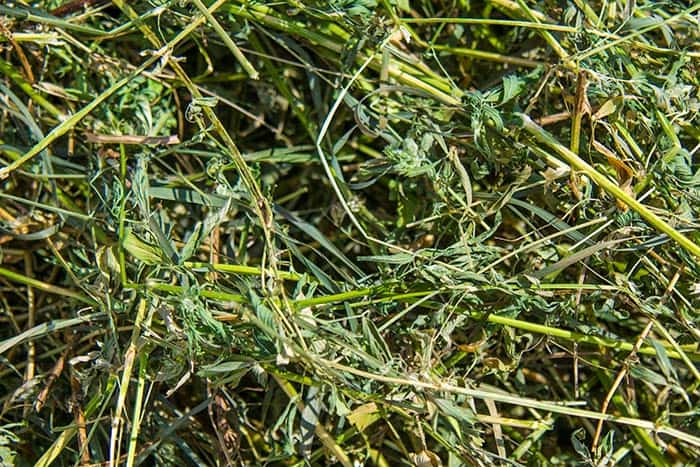
When fed correctly, alfalfa might help prevent gastric ulcer development. One expert explains the importance of timing and amount when feeding horses alfalfa.
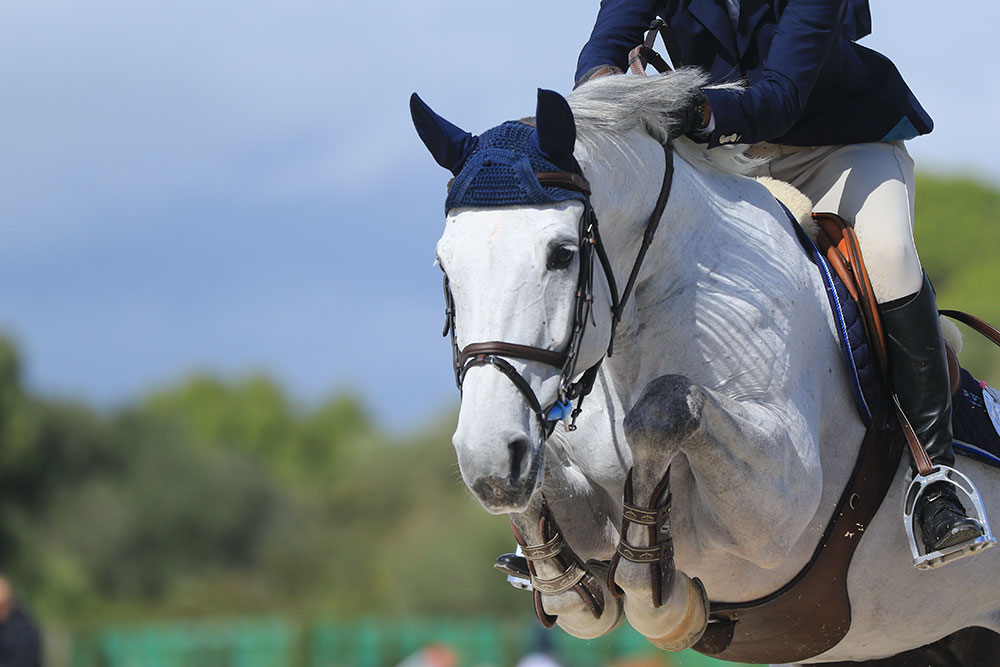
Addressing your high-energy horse’s behavior using diet might involve some trial and error. Learn what you should consider before adjusting his feeding program.
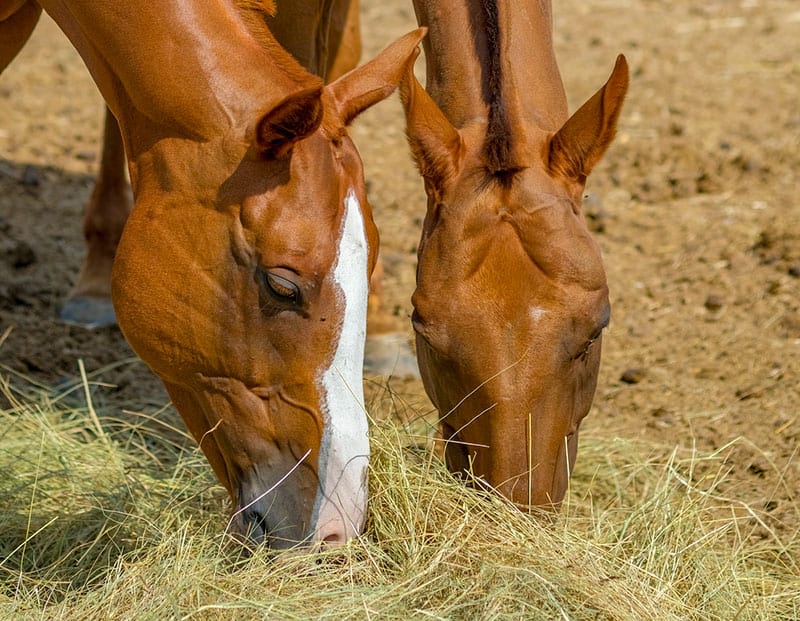
Getting back to basics and simplifying meals might be the key to keeping the horse’s hindgut healthy and functioning properly.
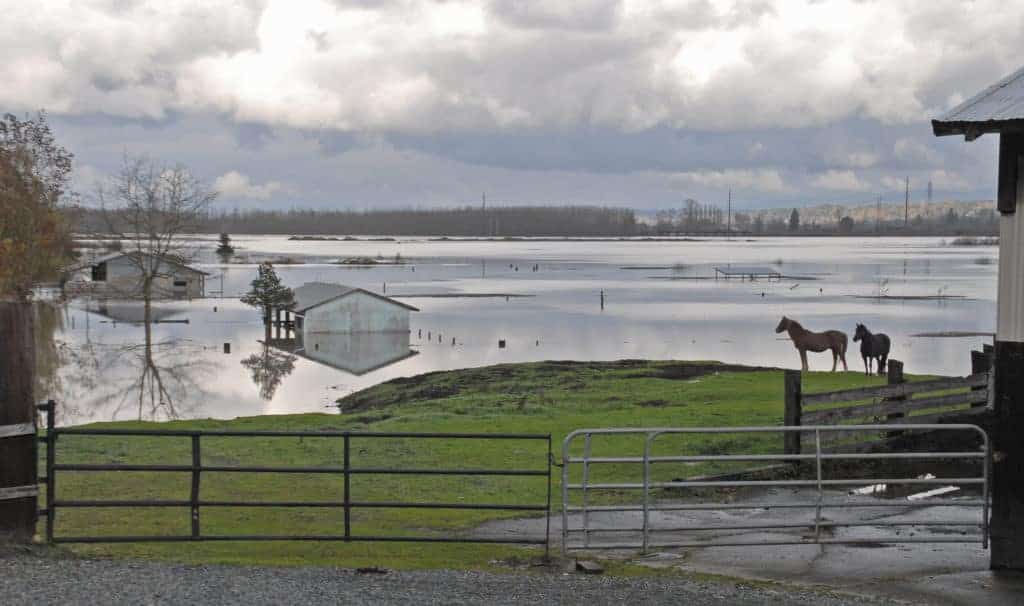
Remember these tips on leaving food and water for horses should you need to evacuate without them during a disaster.

Find out why your horse might benefit from a “dunk bucket.”

Regularly monitor your horse’s condition and workload to ensure his energy requirements are being met with a forage-focused diet this show season.

A nutritionist answers questions about the nutritional needs of older equids, covering topics such as senior feeds, metabolic disease, and helping horses gain weight.

Typically, hay testing labs report analysis results on an as-sampled, as-received, or as-fed, and dry matter basis. Here’s what that means for how you feed your horse.

Focusing on consistent and balanced nutrition will help reduce your horse’s stress levels at shows.