The Dangers of Foxtail in Your Horse’s Hay
Foxtail awns can cause painful oral ulcers in horses. Learn about the signs and how to manage pastures to reduce risk.

Foxtail awns can cause painful oral ulcers in horses. Learn about the signs and how to manage pastures to reduce risk.

Horses evolved to eat frequent, small roughage meals, so why do we only feed them twice daily?
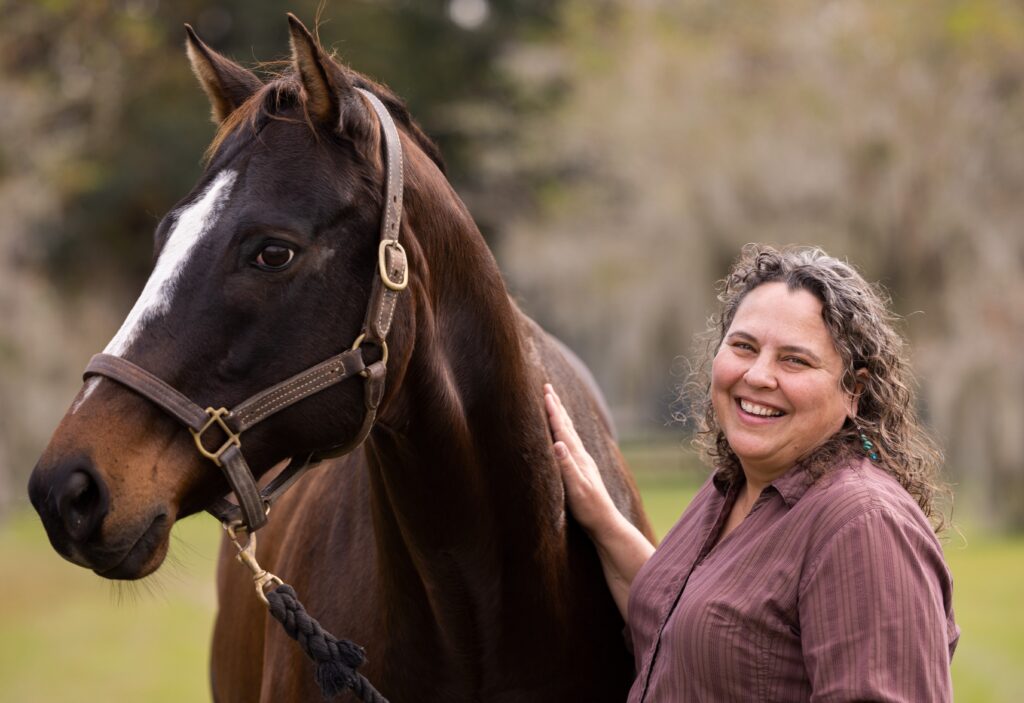
Host Stephanie Ruff talks to Martha Mallicote, DVM, MBA, Dipl. ACVIM, about anhidrosis in horses and its nutritional aspects.

Follow these expert tips to correct common feeding mistakes and improve your horse’s gut health and overall well-being.

Here’s how to monitor your horse for dehydration and help prevent it.
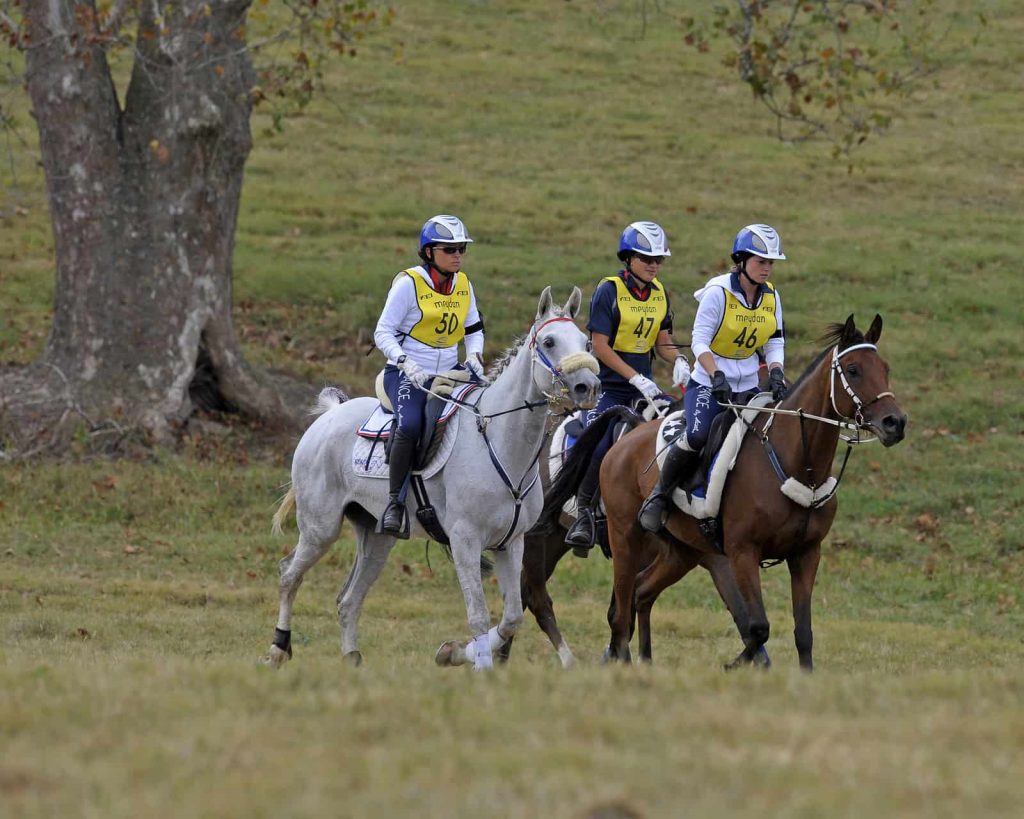
Find out how energy factors into your horse’s diet and the different ways to manipulate it.

Find out what causes watery feces in horses and whether you should be concerned.

Learn about 5 key physical indicators of forage quality and how to gather a hay sample and interpret a chemical analysis.

An equine nutritionist shares how to calculate your horse’s annual hay intake and how to reduce hay waste to help stretch your budget.

Tall fescue can remain toxic to certain horses later into the year than many owners realize. Learn why experts recommend testing pastures year-round.

Nutritional evaluations can help you determine whether your horse is consuming a balanced diet.

Learn about some of the common plants toxic to horses and their effects.

A nutrition expert offers advice for ensuring free-fed horses don’t overeat hay.

Host Stephanie Ruff talks with Michael Lindinger, PhD, about the importance of electrolyte balance in horses. Sponsored by Tribute Equine Nutrition.

Before adding vitamin E to your horse’s diet, find out why veterinarians recommend testing blood levels and how to supplement appropriately.

Choose safer times of day and grasses for your horses’ turnout while safeguarding their feet from laminitis.