Hay-Feeder Height Affects Neck, Back, and Jaw Postures
Italian researchers found higher-placed haynets significantly shorten horses’ back muscles and change their jaw angles as they eat.

Italian researchers found higher-placed haynets significantly shorten horses’ back muscles and change their jaw angles as they eat.

Find out how to keep you, your prone-to-worry horse, and those around him safe.
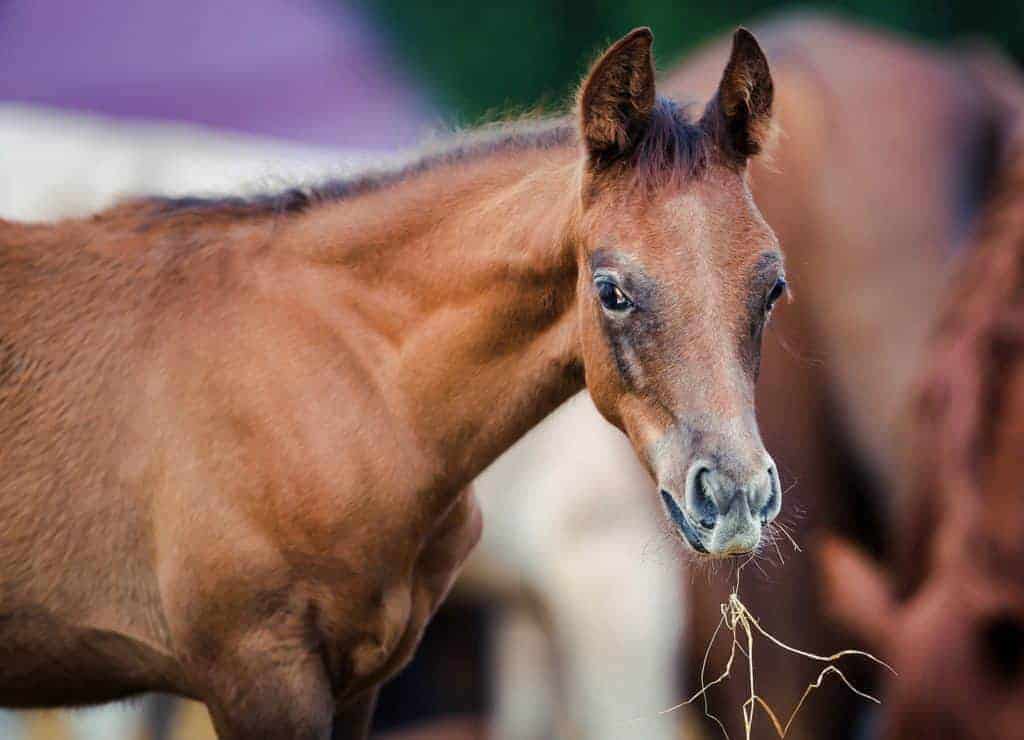
Our nutritionist offers advice on feeding foals both before and after they’re weaned from their dams.

Learn how your horse’s internal thermostat works in extreme heat and ways to keep him cool.

Using anise-scented oats, researchers found a significant relationship between olfactory stimuli and feeding preference in horses.

A well-planned feeding program helps a foal’s caretakers manage growth rate effectively. Learn about common foal-feeding challenges and solutions, as well as how to develop a well-balanced feeding program for young, growing horses.

Our equine nutritionist and physiology expert offers advice on managing horses that have stopped sweating.

Here are a few common myths about horse hay, how these myths came to be accepted and, finally, the truth.

Learn about four trendy nutritional supplements in the equine industry, the rationale for their administration, and scientific data supporting their use.

Electrolytes play an important role in hydration and cellular function in horses. Learn more about electrolytes, when you might need to supplement them, and what research has shown about how they affect performance horses.

Veterinarians from UC Davis offer 10 important tips to prevent heat-related problems in horses.

Veterinarians could soon determine which horses are at risk of certain neurologic diseases through a simple urine test that reveals how a horse breaks down vitamin E.

A dappled coat might be a sign of optimum equine health and nutrition, but the reality is more complicated. One equine nutritionist offers advice on bringing out the bloom in your horse’s coat.

Buttercups can cause mouth pain and blisters, drooling, oral and gastric ulcers, colic, and diarrhea in horses that eat them.

When feeding flaxseed to your horses, knowing the difference between whole seeds, ground seeds, and meal is important. Here’s why.

Compared to soaking or leaving hay dry, steaming conserves beneficial microorganisms found while targeting harmful bacteria and respiratory allergens.