Product Review: The Savvy Feeder
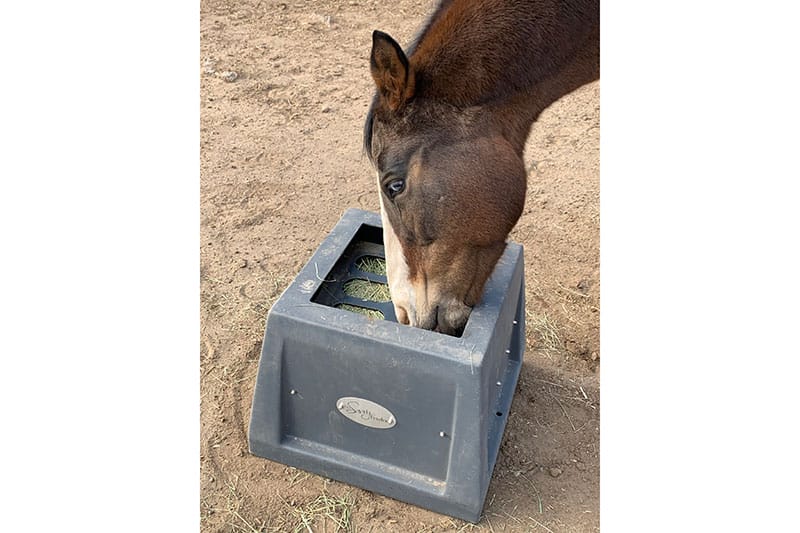
Our digital managing editor uses durable Savvy Feeders to free feed her horses forage.

Our digital managing editor uses durable Savvy Feeders to free feed her horses forage.

The key is adding weight carefully without triggering hyperinsulinemia and laminitis.
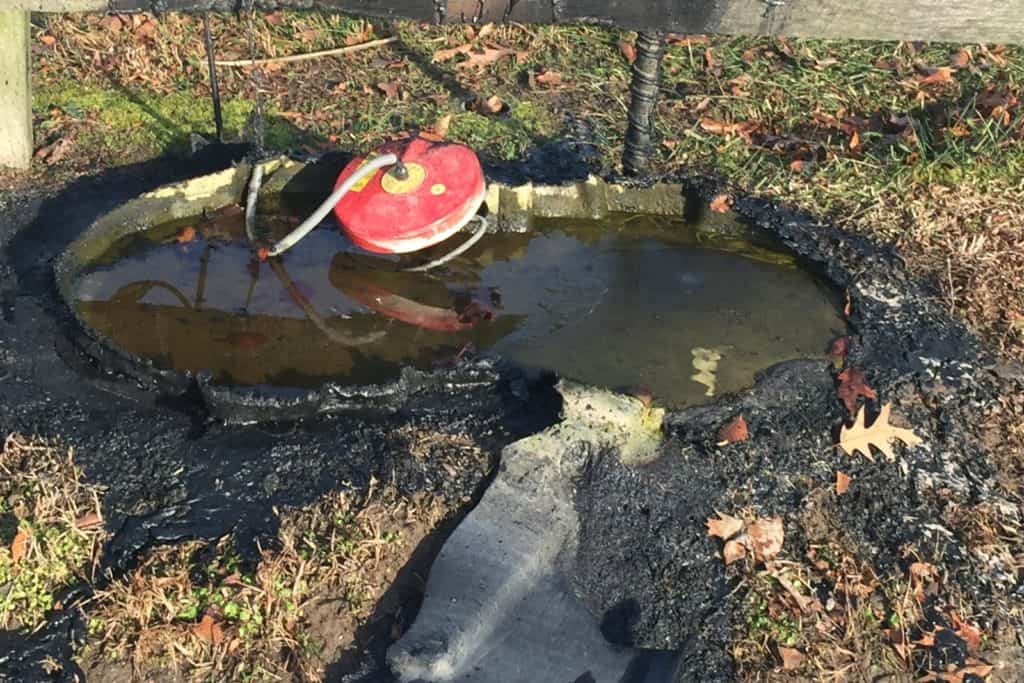
Are you using heated water buckets or troughs this winter? Stay safe with these tips.

Providing a balanced diet that meets your horse’s nutritional needs and being aware of possible shortcomings are vital for his care. Read about seven aspects of your horse’s diet that might not be up to par.

You expect dusty hay to set off inflammation in asthmatic horses’ lungs. But did you know dusty hay and indoor housing can also affect their gut microbiota?

An owner wants to know how to best prepare her senior horse for a move from Florida to Virginia. Dr. Chrissie Schneider offers advice.

Equine nutritionists Abby Keegan, MS, PAS, and Dr. Clair Thunes offer advice on keeping picky drinkers hydrated during travel.

Equine nutritionist Dr. Clair Thunes offers tips on how to safely soak hay for horses.

Traditionally, some riders withheld feed from their horses prior to training or competition. We now know better. Nutritionist Dr. Clair Thunes explains.

How do you feed recreational riding horses to meet their nutritional and digestive needs without causing weight gain? Get those questions and more answered during this live recording of our podcast. Sponsored by Nutrena.

Researchers compared feeding horses alfalfa and smooth bromegrass. They found alfalfa makes the hindgut more acidic but increases volatile fatty acid production.
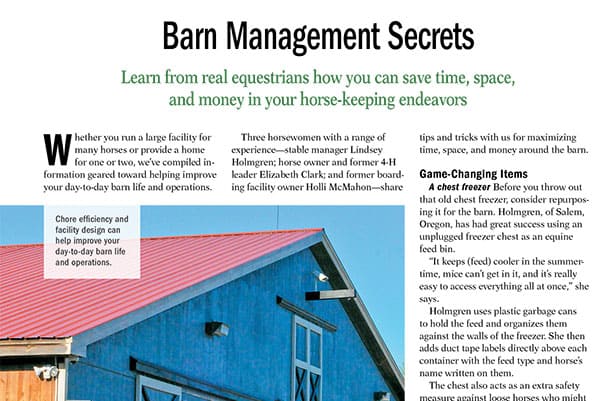
Whether you run a large facility for many horses or provide a home for one or two, we’ve compiled information geared toward helping improve your day-to-day barn life and operations.

Three practitioners share advice on how to best care for your horses following a disaster.
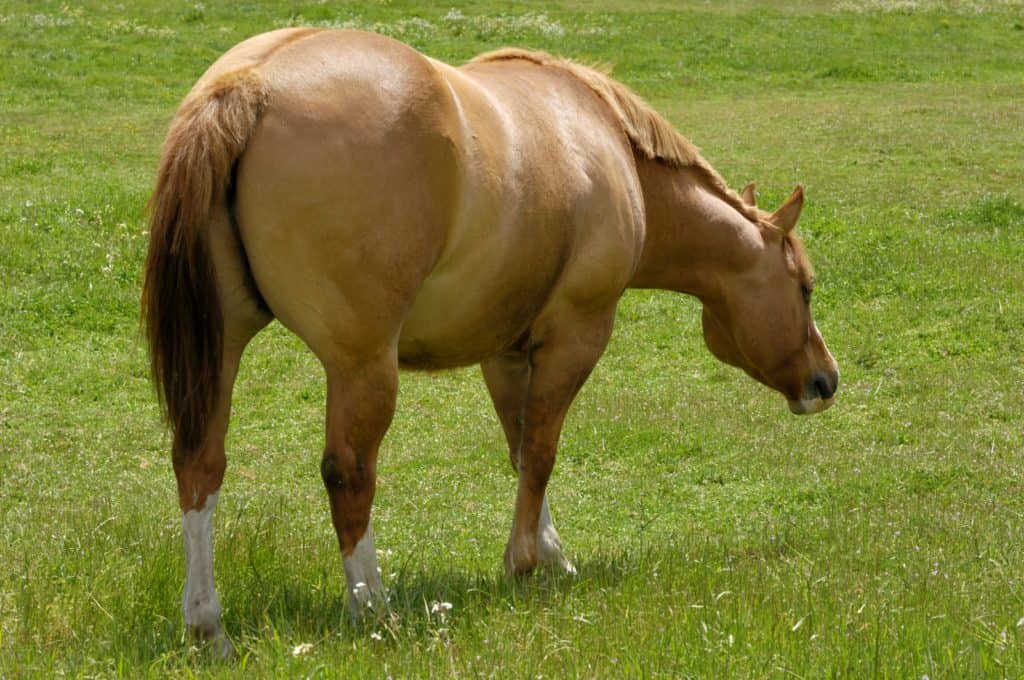
Researchers investigated the effects of aloe vera and grapeseed extract on horses’ insulinemic responses to various feeds.

Dr. Marty Adams talks about hay quality, impaction colic risk, and if Bermuda hay is appropriate for feeding horses.

Nutritionist Dr. Clair Thunes talks about the best ways to keep horses fueled and hydrated during competition.