Monthly Equine Wellness Tips
Find a year’s worth of tips to keep your horse healthy in every season.

Find a year’s worth of tips to keep your horse healthy in every season.

Dr. Clair Thunes explains how eating hay and the digestion process helps keep horses warm.
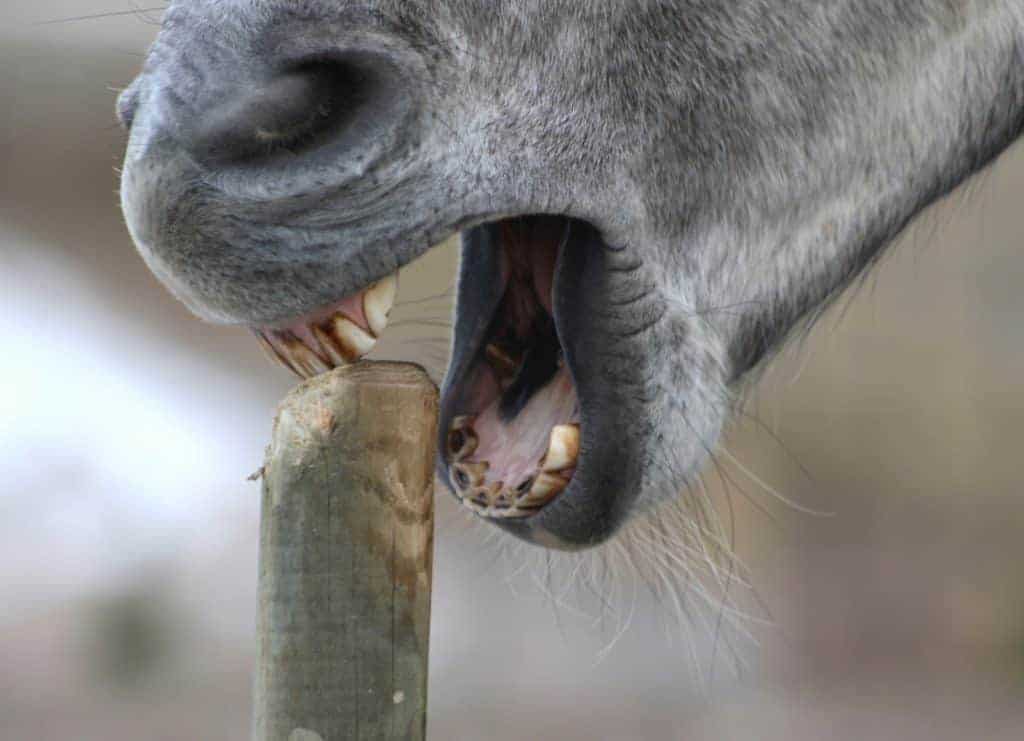
Researchers found that the cribbers in their study were deficient in selenium.

Appropriately managing high-traffic areas and pasture overgrowth can help improve your horse’s habitat and health.

How can you make sure your horse is getting the nutrition he needs during the cold months? Ask our equine nutritionist!

Is your donkey bored? Here are suggestions for adding entertaining food to your donkey’s environment.

The equine-focused workshop will be held at the American Forage and Grassland Council conference on Jan. 15, 2018.

If your cool-season grass pastures are green during the fall, chances are they’re healthy and productive.

With some measures in place, corn can be a valuable calorie source for horses in heavy work, our nutritionist says.

Protect pastures by using rotational grazing and managing manure.

Factors to consider include facility design, rotational grazing, recommended seeding practices, and toxic weeds.

A nutritionist can tell you if you’re over- or underfeeding or supplementing and address other equine diet concerns.
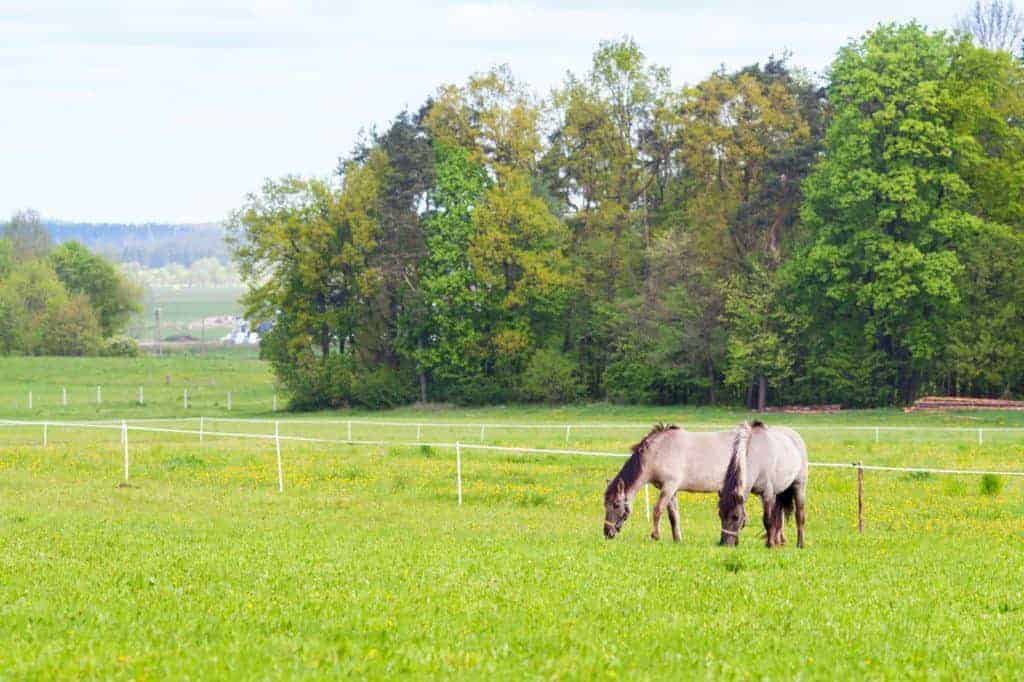
If your pastures are lacking in quality grasses, review these steps for renovating and improving grazing areas.

In Part 1 of our series, learn which grasses commonly populate healthy horse pastures.
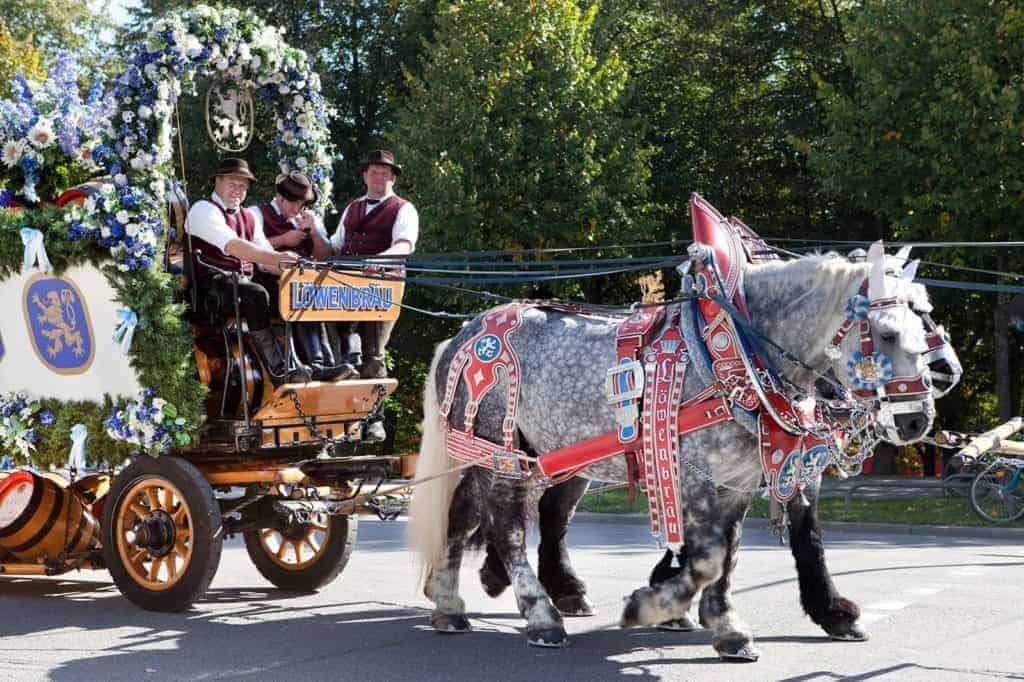
With Oktoberfest in full swing, we started to wonder: Is the racetrack tradition of giving horses beer a good idea?

Researchers found that some ponies are willing to exercise themselves … as long as there’s food involved.