2017 Mid-Atlantic Nutrition Conference Takes Place April 5-6
Equine lecture topics will include feeding endocrine-challenged horses, allergies, equine aging, supplements, and more.

Equine lecture topics will include feeding endocrine-challenged horses, allergies, equine aging, supplements, and more.
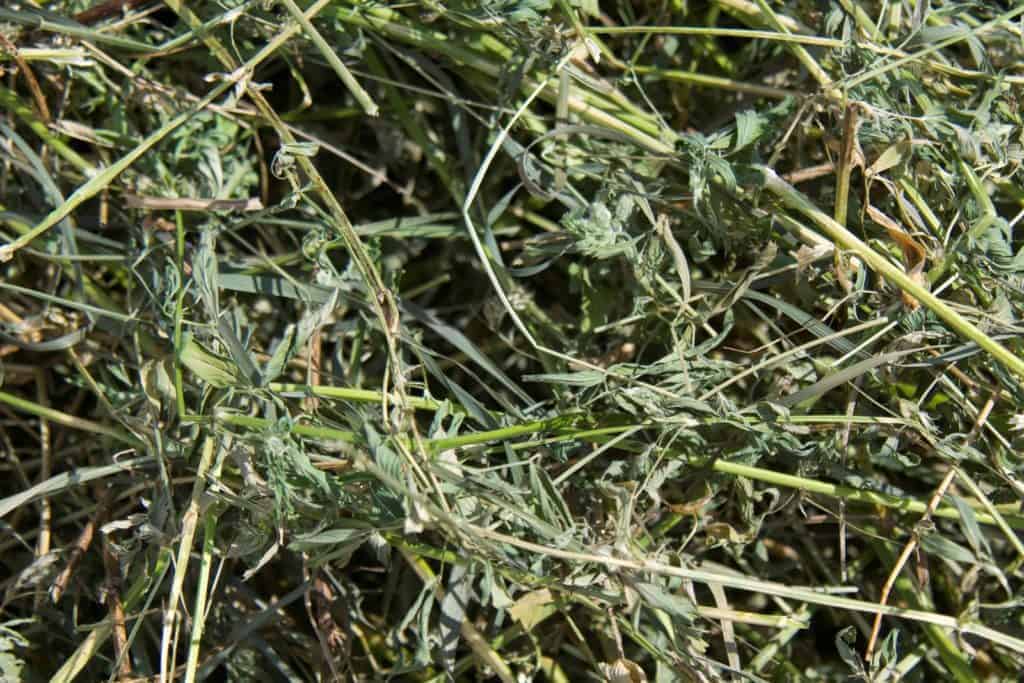
You’re faced with the choice of offering your horse alfalfa pellets or hay. Which should you choose?

Dr. Rob MacKay recaps studies on heparin for EHM prevention, liver failure caused by supplements, headshaking, and more.

Pay special attention to the purpose statement, guaranteed analysis, ingredients, and directions for use.

Horses with exertional myopathies can benefit from dietary modifications as well as consistent targeted exercise.

Roly-poly, cresty-necked horses and ponies are in harm’s way. Here’s how to help your overweight equid shed pounds.
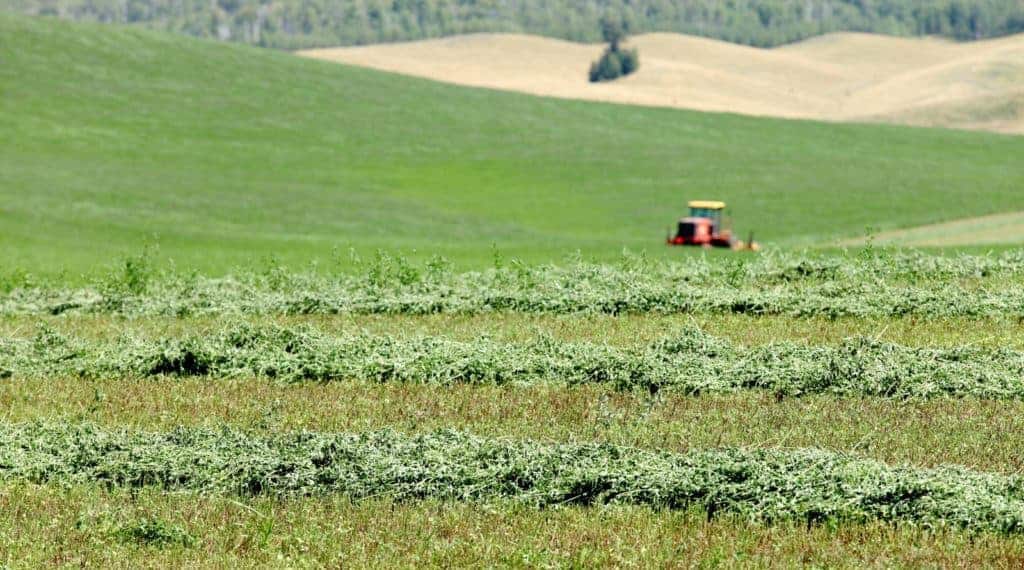
Attendees will learn how they can improve the efficiency and quality of all their hay, silage, and baleage production.
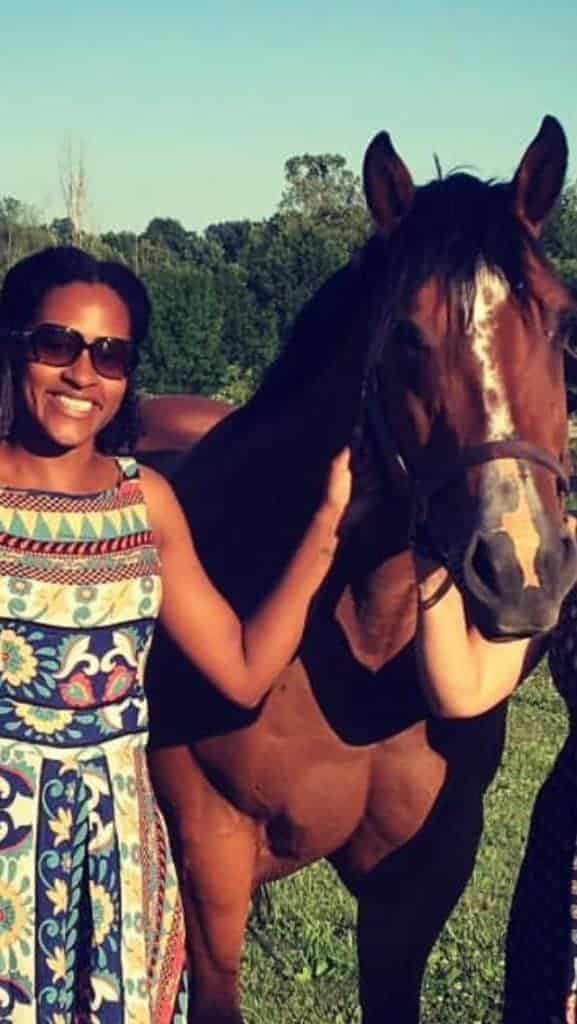
Boakari is studying protein’s effects on mare reproductive parameters such as early pregnancy loss and embryo quality.

Lectures will focus on reducing tall fescue toxicosis, the top toxins for horses in Kentucky, weed control, and more.
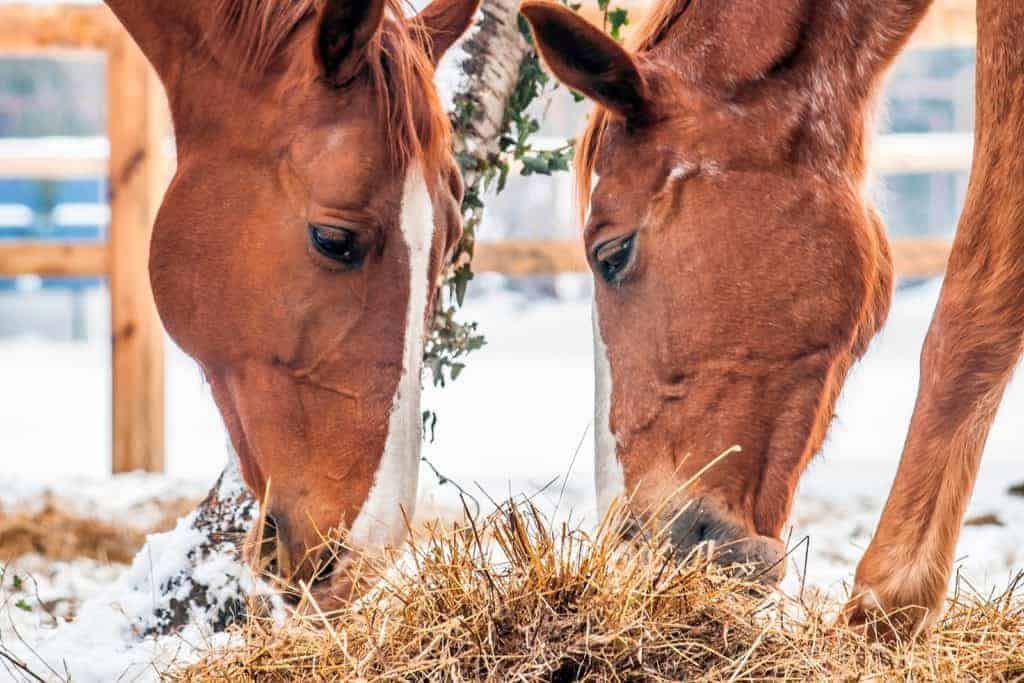
A combination of cold air and winds create dangerous conditions. Here’s how to protect your horses and other animals.

A forage-based, total mixed-ration cube fed free choice supported weanling growth rates without increasing DOD cases.
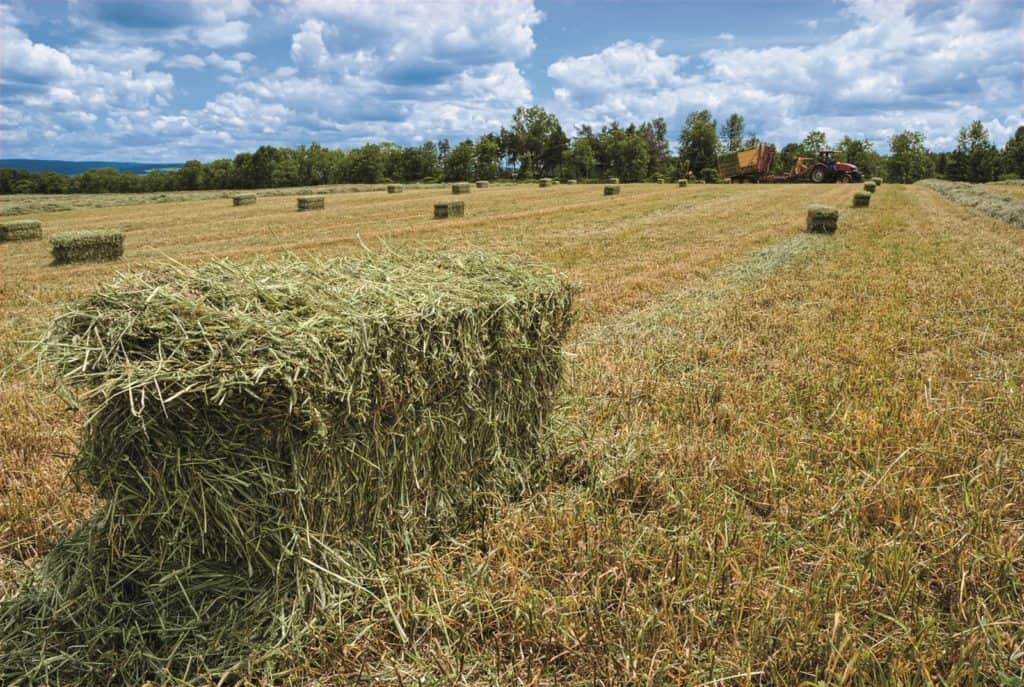
Should I look for hay that comes from a fertilized or unfertilized field? In what ways could the nutrition be affected?

Of the 556 respondents, 190 (34%) said their biggest concern is keeping horses’ water sources from freezing.

An owner with a colicky horse is worried that grain could be the culprit and wants to know how much to feed.

Nutrition affects your horse’s hooves, but balance is essential for hoof health.

Do you want to make sure your horse is getting the right amount of feed? Use a scale!