Horses at Work: Lifestyles of Working and Service Horses
Horses that plow, heal, or protect have distinctly different lifestyles than the average riding horse.

Horses that plow, heal, or protect have distinctly different lifestyles than the average riding horse.
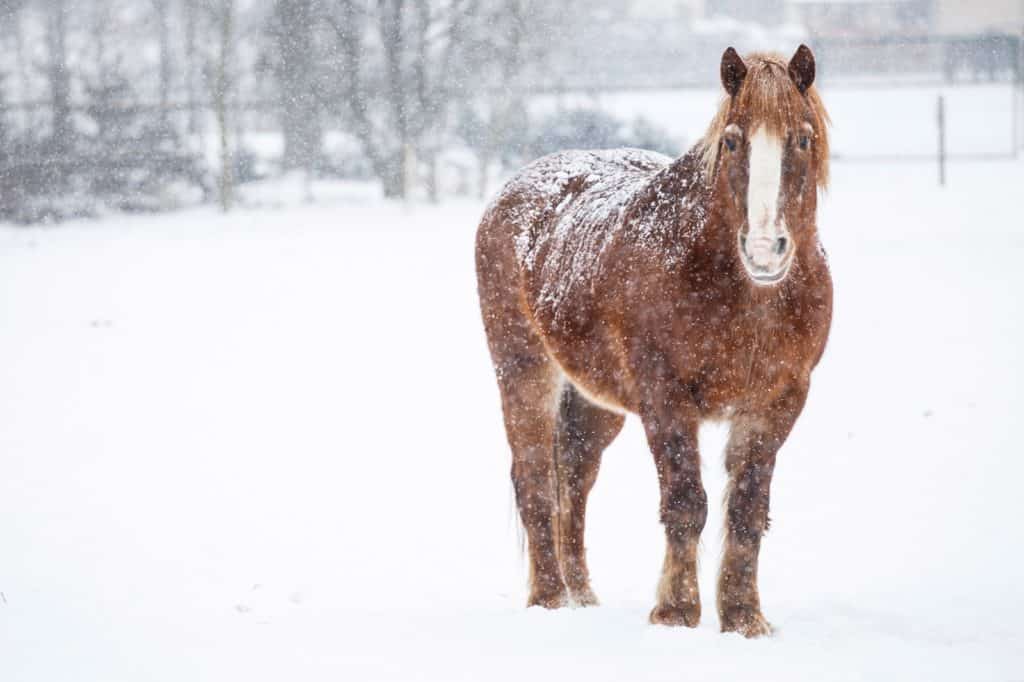
Ensure your golden oldie gets the care and support he needs, even if he’s weathered previous winters without trouble.

With cold weather comes complicating factors that could increase horses’ colic risk.

Three equine professionals offer tips for preparing your animals, facilities, and yourself for the deep freeze ahead.

A vitamin E deficiency can lead to neurologic problems as well as a retina disorder called pigment retinopathy.

A horse owner asks if hay analysis is necessary. Our nutrition expert offers an answer and advice on getting a sample.
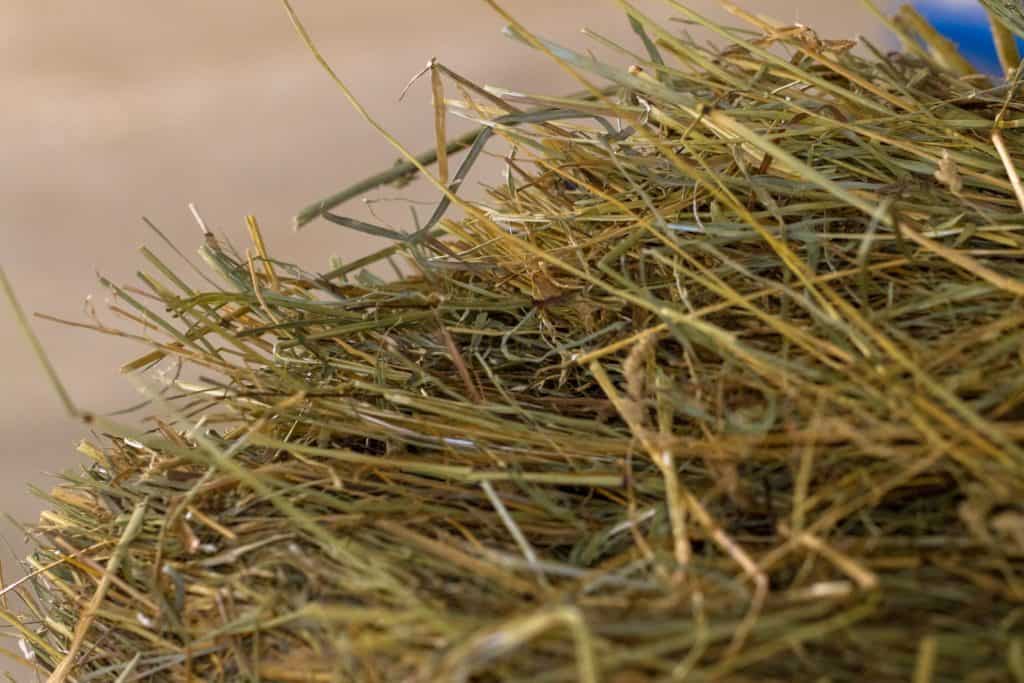
Use these six helpful tips when evaluating and choosing hay for your horse.

Our “Why Does My Horse Do That?” winner wants to know why her mare’s buddy licks the mare after meals.
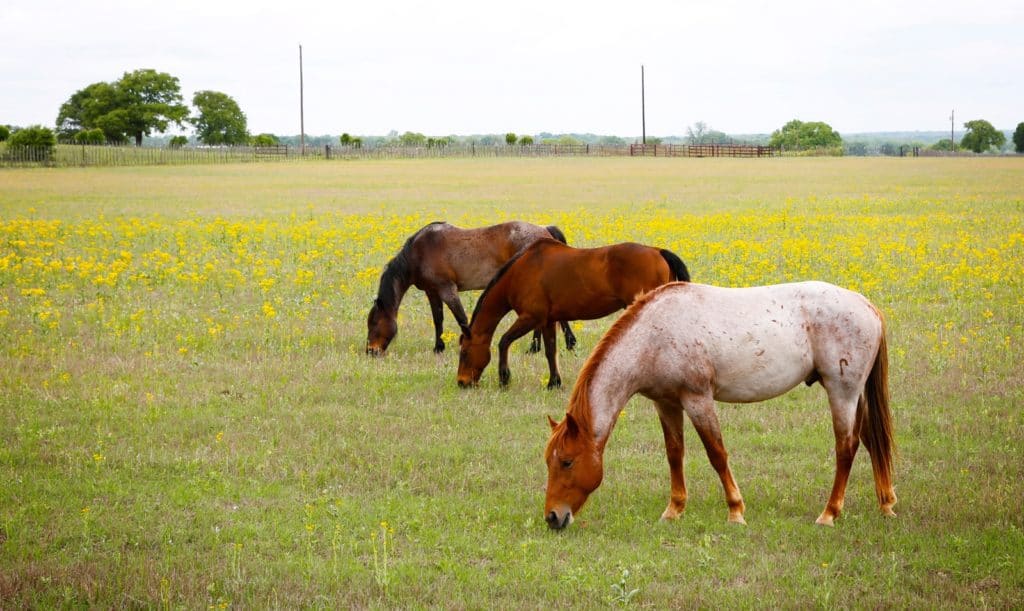
Ensure your pastures are clear of plants that can be toxic to horses.
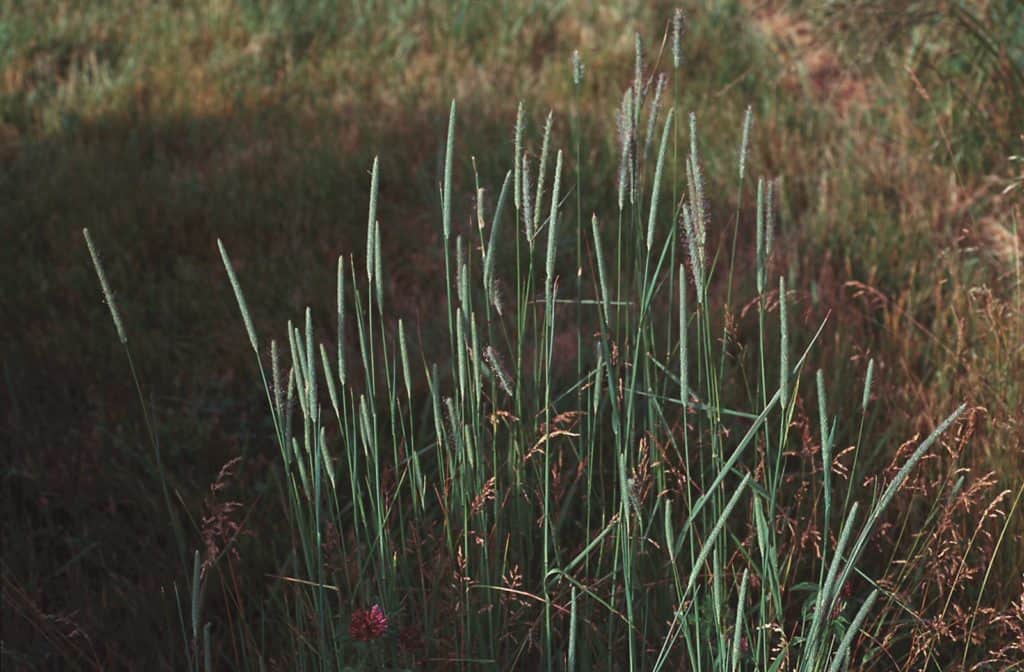
Timothy is a perennial grass that can survive harsh winters and wet soils better than most cool-season grasses.

Protecting your horse’s turnout now can help ensure green pastures later.

Use these 10 veterinarian-approved tips for keeping your horse healthy and comfortable as winter approaches.

Take steps to reduce the risk of laminitis development, such as combating obesity and reducing pasture and NSC intake.

Being able to identify horses at increased risk of developing laminitis is key to reducing its incidence.

Orchardgrass is a cool-season perennial and a desirable hay and pasture grass for horses.
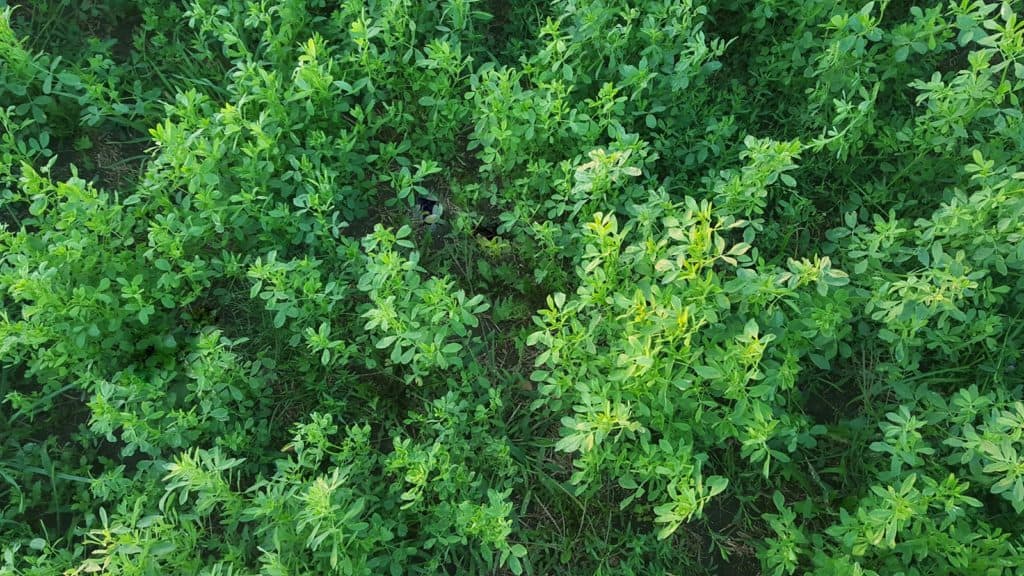
Wet and humid weather resulted in a number of diseases popping up in alfalfa crops across the commonwealth.