The Grass Guide: Large Crabgrass
Large crabgrass is very palatable to horses and has a high nutrient content, making it useful for grazing in the south.

Large crabgrass is very palatable to horses and has a high nutrient content, making it useful for grazing in the south.
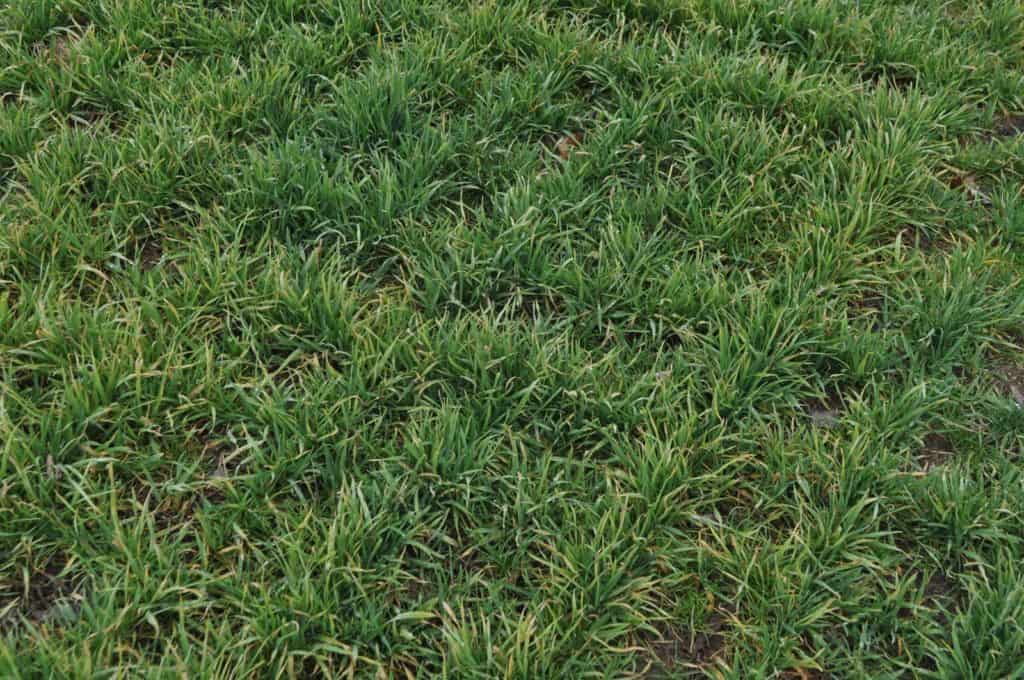
For cool-season pastures, fall is the ideal time to overseed to thicken a stand and fill in bare areas.
Tim Phillips, PhD, developed a new tall fescue variety that is nontoxic to grazing animals, including horses.

Practical ways to improve your horse’s welfare, based on discoveries from the growing field of equitation science.
Researchers will again be studying horses’ hydration status and how it relates to ride completion or noncompletion.

Design a feeding program that provides adequate calories without putting the horse at risk for gastrointestinal upset.

Inspect and clean your hay loft or storage structure to help ensure the hay you store in it remains fresh.

Reducing particulates in a horse’s environment can go a long way toward ensuring his airway is as healthy as possible.

Welfare issues include stress/pain behavior; inappropriate nutrition, stabling, and turnout; and delayed death.

Off-track Thoroughbreds have special nutritional needs as they begin transitioning to new careers.
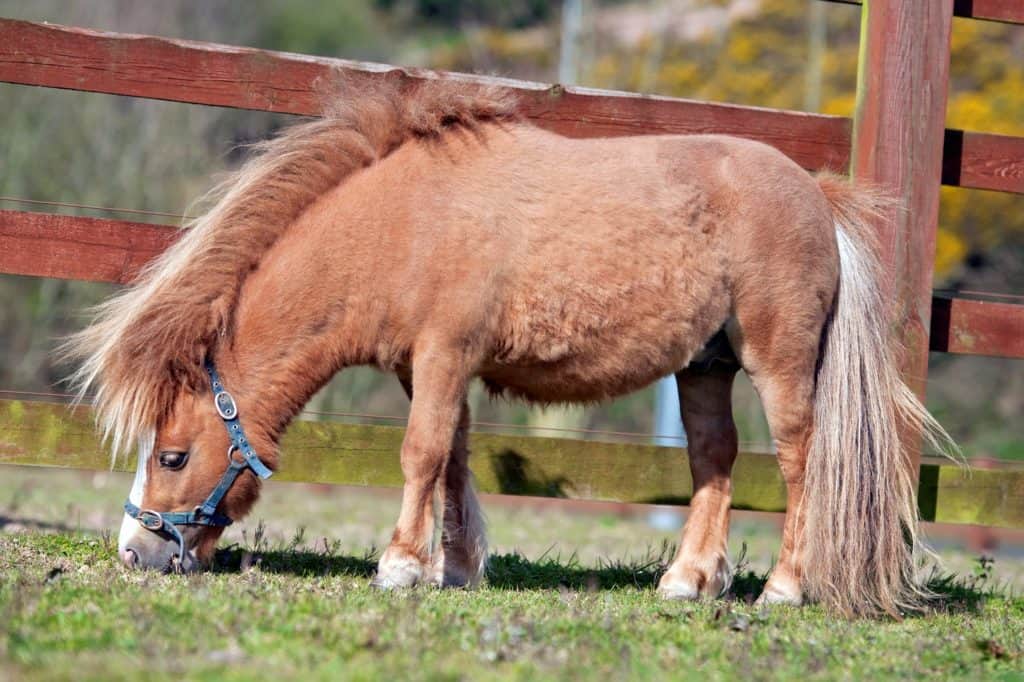
If you’re considering a Miniature Horse as a pet or companion, remember that a small size doesn’t mean less upkeep.
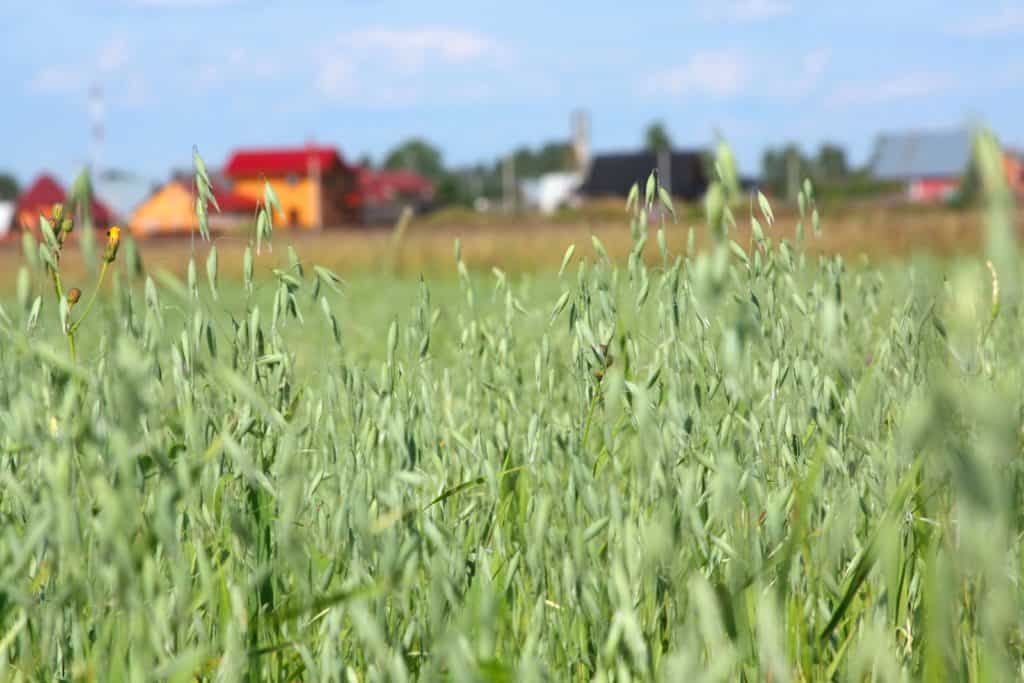
Can horses be turned out on an oat pasture if it is dried up and not green? The oats have already been harvested, and we turn cattle out to graze the leavings, but is it okay for horses?

Be sure new hay is dry and free of dust and mold, and always introduce it to horses’ diets slowly.

Forages high in non-structural carbohydrates can be detrimental for some horses. Here’s what to know.

Of the 1,102 respondents, 397 (36%) said they purchase hay once a year for their horses.
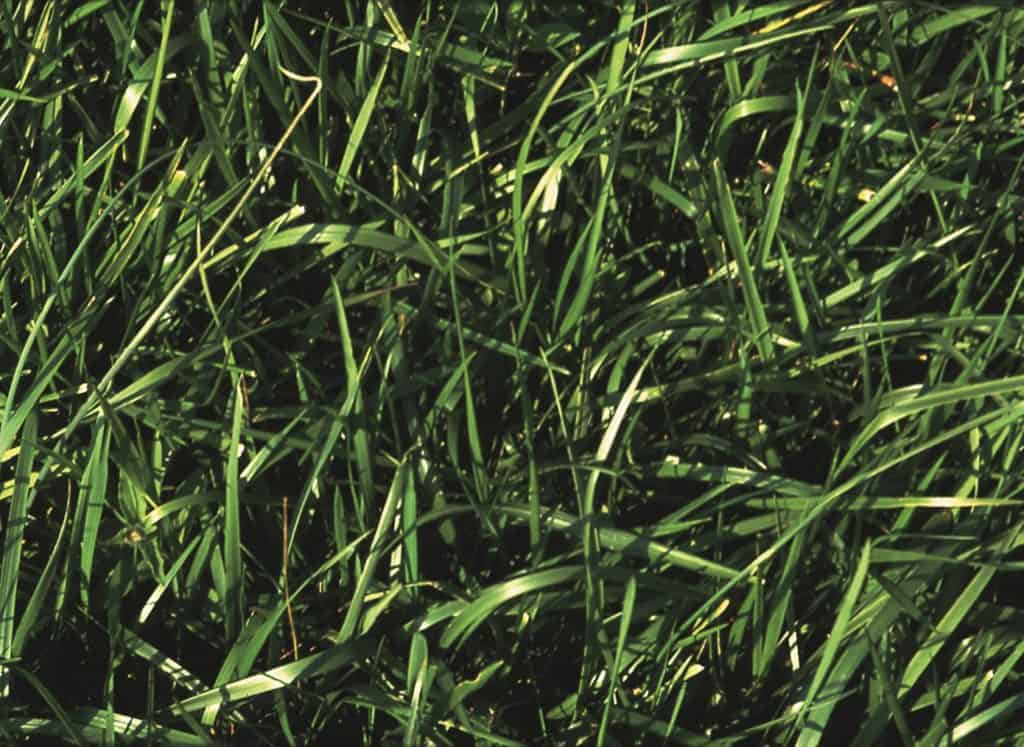
Tall fescue is a very hardy forage able to withstand high summer temperatures, drought, moisture stress, and shade.