Spring Cleaning Your Feed Room
Save time and money by giving your feed room a good spring cleaning with these tips.

Save time and money by giving your feed room a good spring cleaning with these tips.
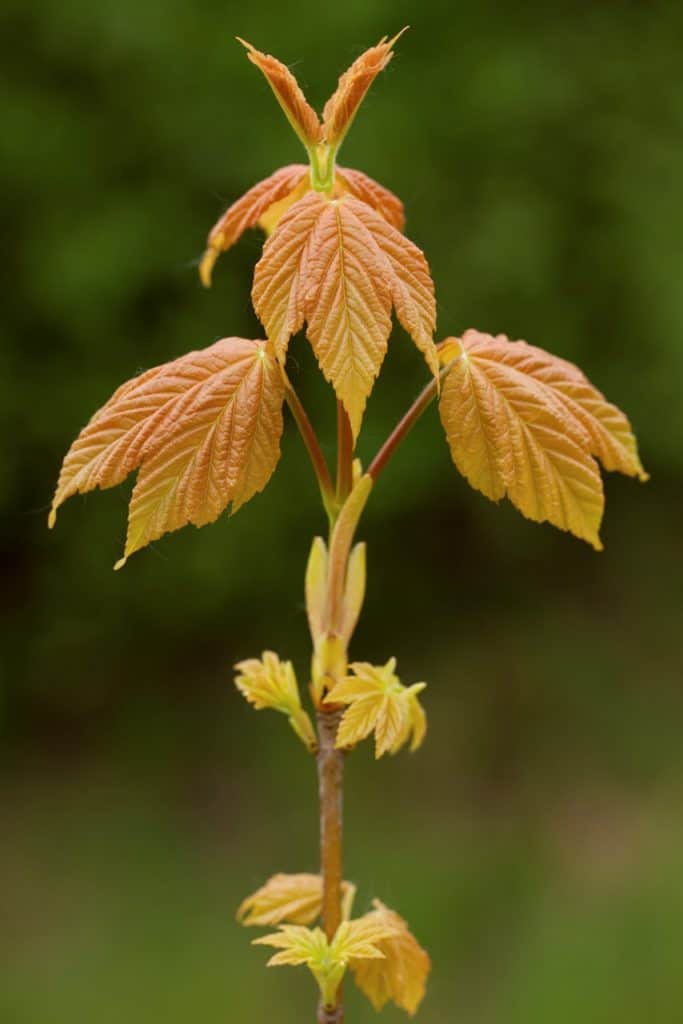
Owners are encouraged to watch for sycamore seedlings, which can cause atypical myopathy, in horse pastures.

You should understand several factors—including age and use of the horse, season, species of pasture grass, pasture management practices, and grazing time available—to best utilize pasture as a part of your horse’s nutritional program.
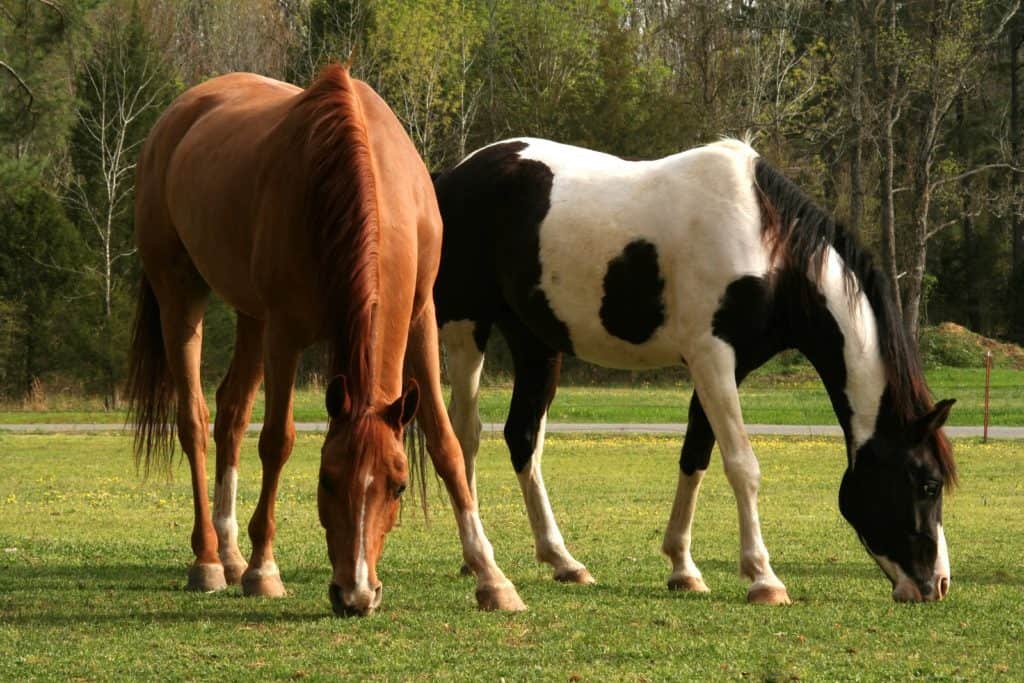
Overconditioning, grazing during sunlight hours, and frozen footing could potentially trigger laminitic episodes.

Of the 1,442 respondents, 684 (47%) said their horses have access to fresh pasture for 12 hours or more each day.
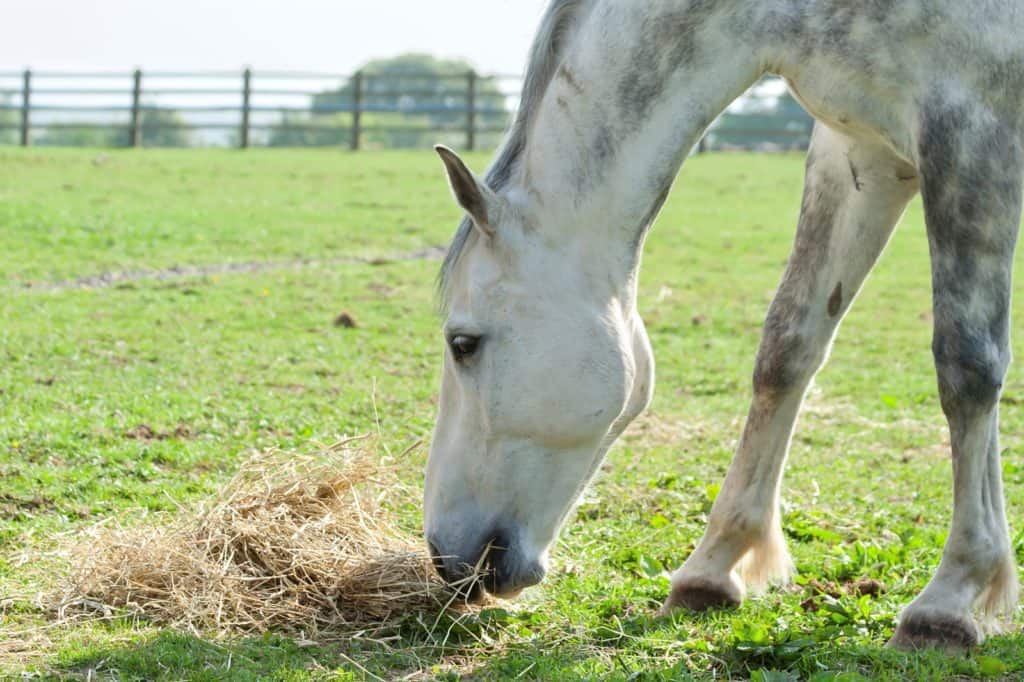
These micronutrients found in forage, feeds, and supplements help support the athletic horse’s health.

The event is designed to teach owners how nutrition can affect their horses’ health and longevity.

Bahiagrass is a hardy grass species tolerant of drought and poorly drained soils of any type.

More than half of the 929 poll respondents said they have used slow feed haynets for their horses.

Dr. Shannon Pratt-Phillips surveyed elite show jumper owners/managers about their horse’s diets. Here’s what she found.

Spring grass might be delicious for horses, but it can cause problems including laminitis and fescue toxicity.
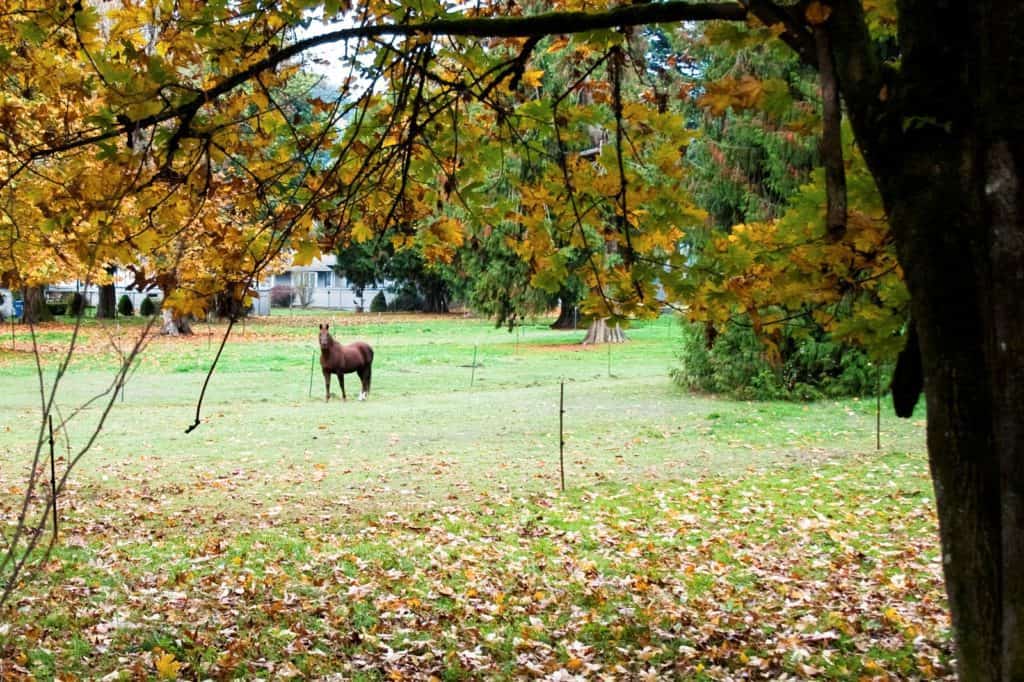
Hypoglycin A is the toxin behind the potentially deadly muscular disease atypical myopathy.
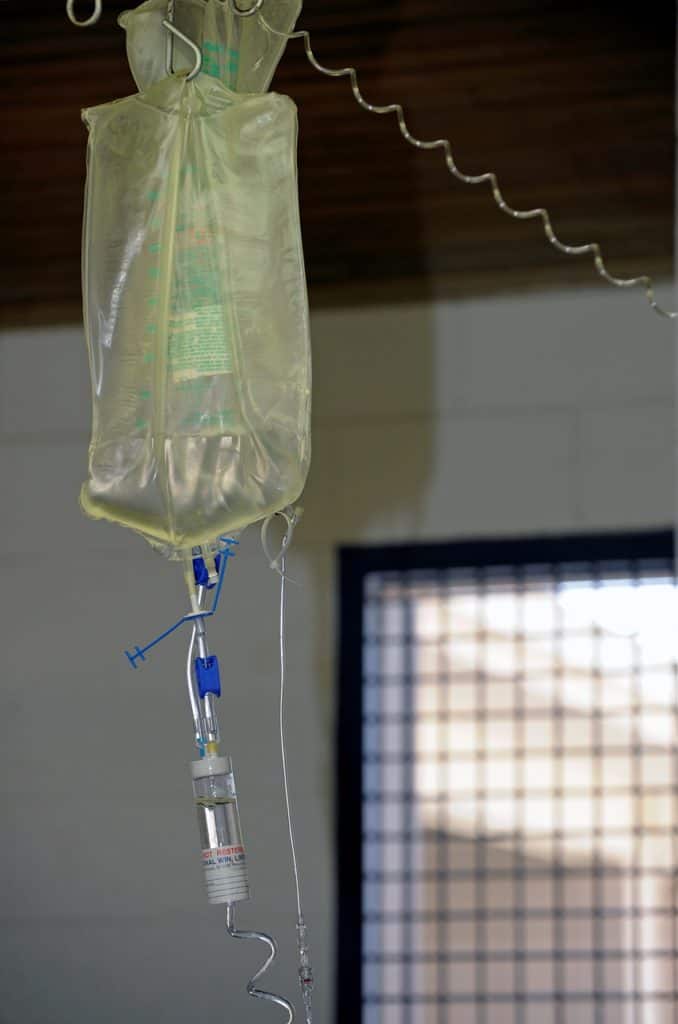
Researchers found that many horses recovering from colic surgery probably don’t require as much water as once thought.

Certain strains of fungi found in moldy fodder can cause serious problems in both horses and handlers, scientists found.

The rare condition–primary hypothyroidism–in mares could be behind a potentially deadly foal problem called CHDS.

Smith’s research is focused on determining the dietary requirement for the amino acid threonine in growing horses.