Use Caution When Bedding Horses on Rye Straw
Rye straw can contain ergot alkaloids, which can be poisonous to livestock, including horses. Here’s what to watch for.

Rye straw can contain ergot alkaloids, which can be poisonous to livestock, including horses. Here’s what to watch for.

Nutritionist Dr. Clair Thunes and vet Dr. Erin Denney-Jones offer their thoughts on feed frequency for horse health.

Regulate grass intake to prevent excess weight gain when fields are at their greenest.

Janet Johnston, DVM, Dipl. ACVIM, ACVS, shares 10 tips to keep horses comfy and safe in the summer heat.

Of the 674 respondents, 614 (91%) said their horses’ daily diet includes grain, feed, concentrates, or supplements.

This condition, caused by an unbalanced diet, can have serious musculoskeletal implications for affected horses.
Horses appear to select forages based on smell and taste rather than energy intake, researchers found.

Find out how feeding recommendations and diets for performance horses have changed over the years.

Some types of fescue infected with common endophyte strains could become more toxic when temperatures increase.

From feeding to vaccines and colic to lameness, here are some basic resources to get the new horse owner started.
Are you getting your first horse or first horse in a long time? Our experts will help you navigate equine ownership.
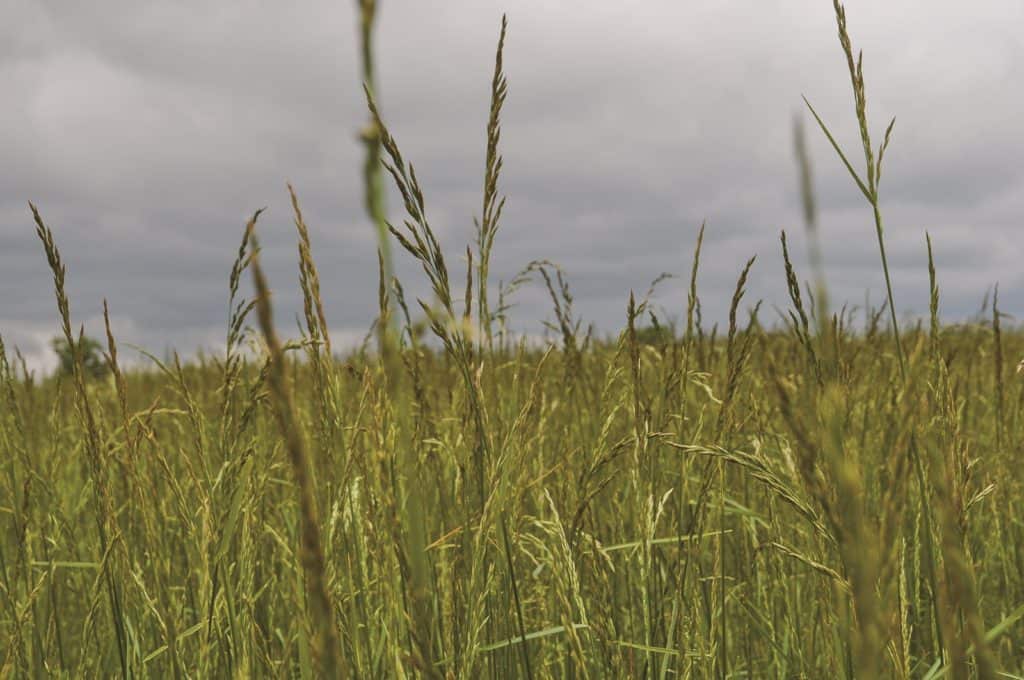
The UKVDL’s new sample handling procedures appear to allow for more accurate ergovaline testing results.
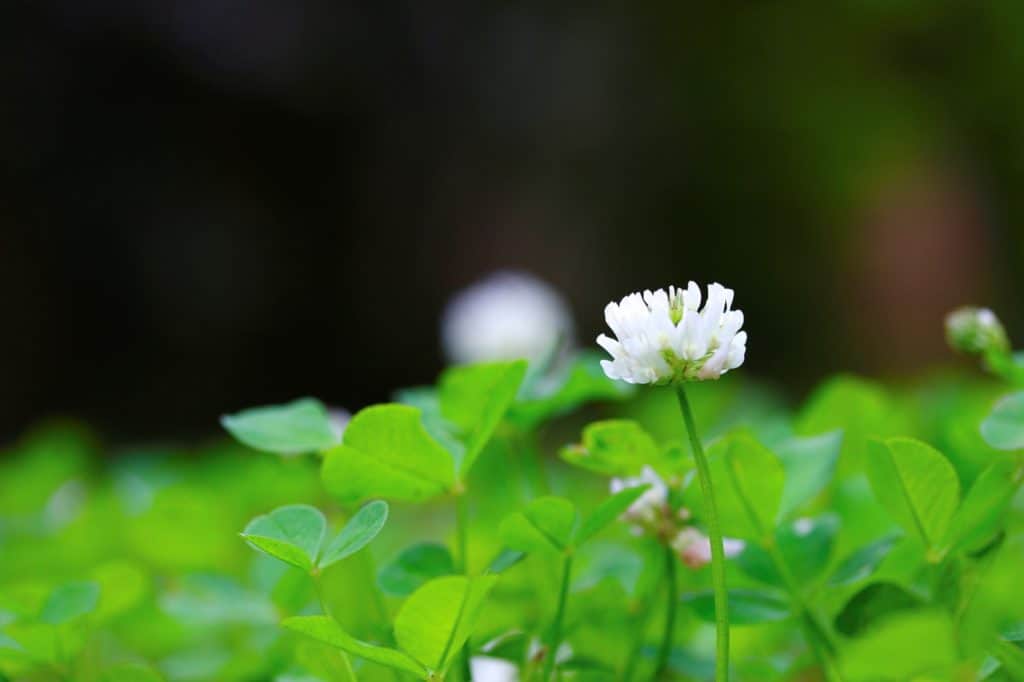
White clover is the most widely found pasture legume in the United States.

Horses with chronic laminitis should be closely monitored during treatment and recovery. Here’s what to consider.

Take a look at some commonly fed supplements and the theories behind their use.
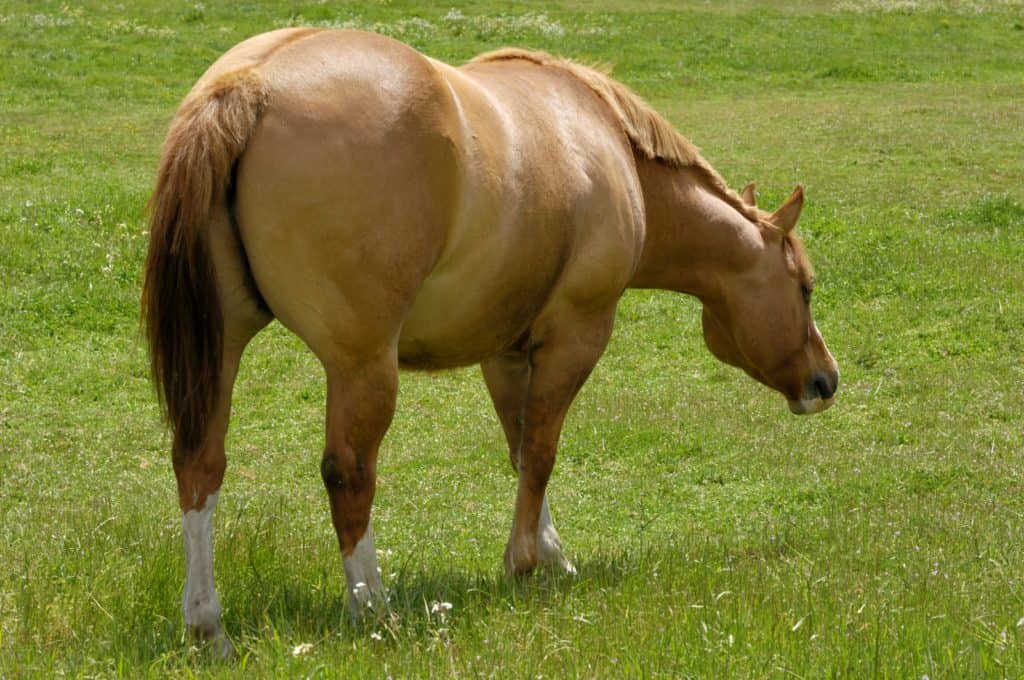
The team confirmed that EMS horses aren’t always fat, but that obesity can point to an underlying metabolic condition.