How Well Do British Owners Understand Equine Nutrition?
A recent survey suggests that many horse owners have a poor understanding of equine nutrition.

A recent survey suggests that many horse owners have a poor understanding of equine nutrition.
Robert Jacobs, PhD, will conduct nutritional research that he hopes will help horse owners achieve their goals.
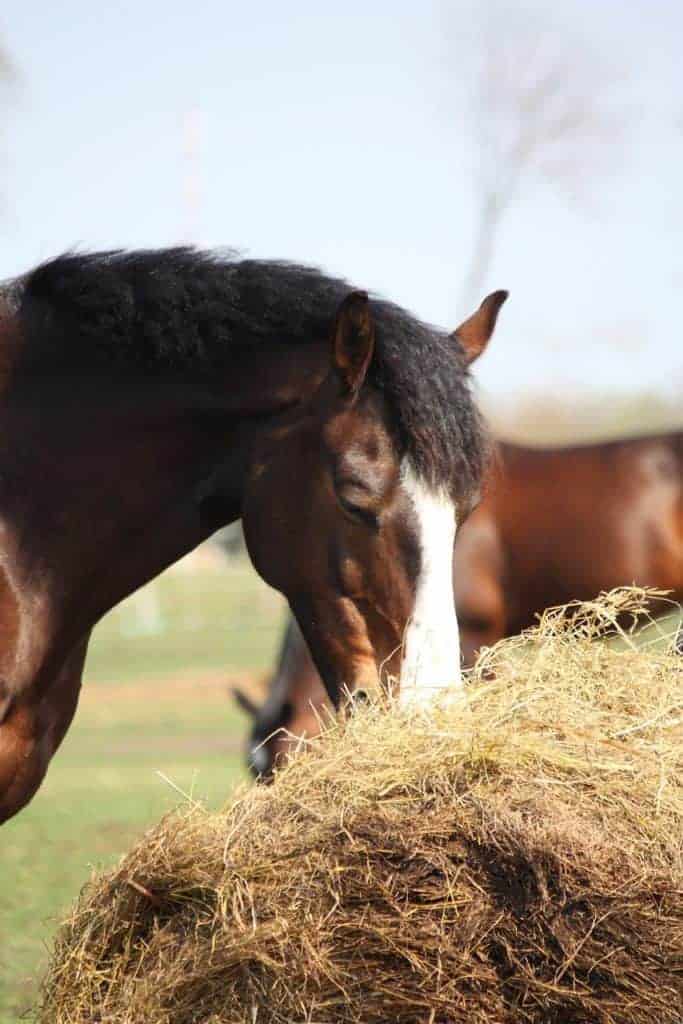
My stallion ate a piece of netting off a roll of hay. Will it pass through his system?
Hansen studied the influence of forage chemical composition on its digestibility and retention in the digestive tract.
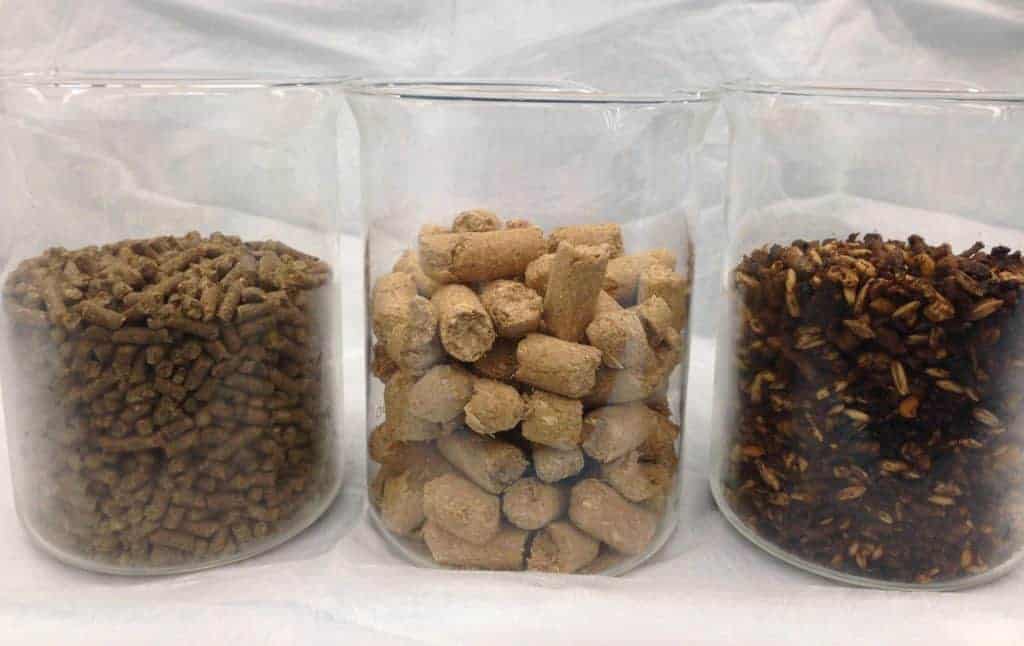
Researchers found that horses’ sugar intake from texturized and pelleted products was relatively similar.

Vets are warning horse owners to take extra precautions as autumn winds could blow toxic sycamore seeds into pastures.

Increased vigilant behavior was correlated with intestinal microbial disturbances induced by a high-starch diet.

Growing horses require specific nutrients, vitamins, and minerals to aid in proper development.

Here’s how to help your horse make the switch from pasture to hay as easy and healthy as possible.
Submit your questions now for our expert, independent equine nutrition consultant Clair Thunes, PhD.

Moldy hay can can contribute to several respiratory problems in horses, the most important of which is heaves.

Here’s what to monitor in order to keep your hay supply and the structures it’s stored in safe.

Learn about the 21 amino acids that form proteins in your horse’s body and why they’re crucial to his health.

Testing confirmed cantharidin in a single load of hay. The contamination has been linked to the deaths of six horses.

Being prepared in advance can help horse owners handle this scary situation as well as possible.

Before you hit the asphalt trail, consider these expert tips to make sure your horse arrives healthy and happy.