It’s Vacation Time!
Having your horse property set up efficiently will make your horse life easier and will give you peace of mind to head out on vacation.

Having your horse property set up efficiently will make your horse life easier and will give you peace of mind to head out on vacation.
But how should you manage a horse that hasn’t yet developed laminitis, but is a likely candidate?
Science has shown us that horses require magnesium to keep their bodies functioning properly, so should owners
Two Purdue University Extension and Historic Prophetstown forage clinics designed to teach horse owners to
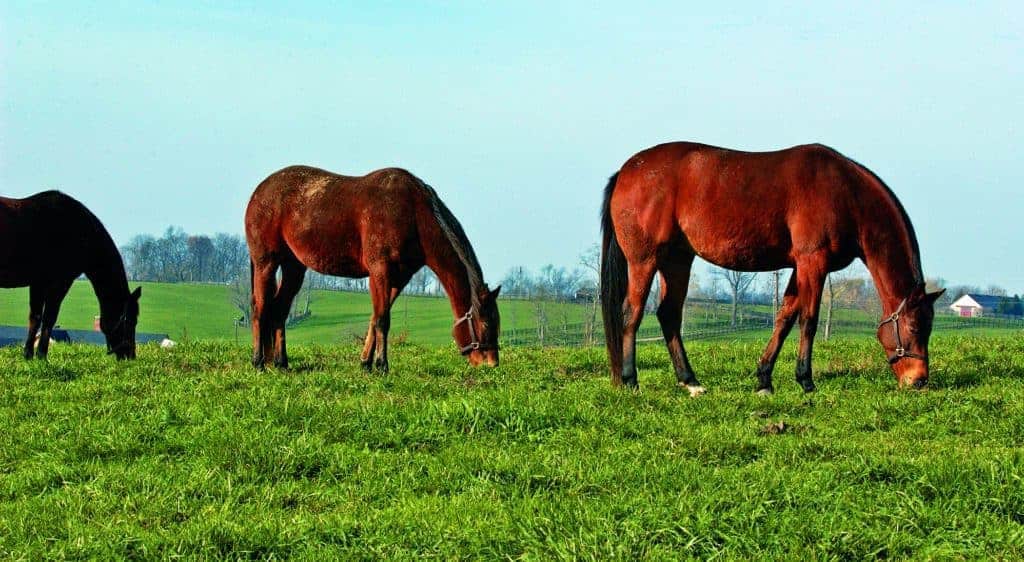
With a little forethought you can maintain that all-important digestive health throughout the year.
A lack of scientific research in equine nutrition makes it difficult to base a feeding program solely on
How do you design a feeding program that mimics how horses’ feeding habits have evolved?
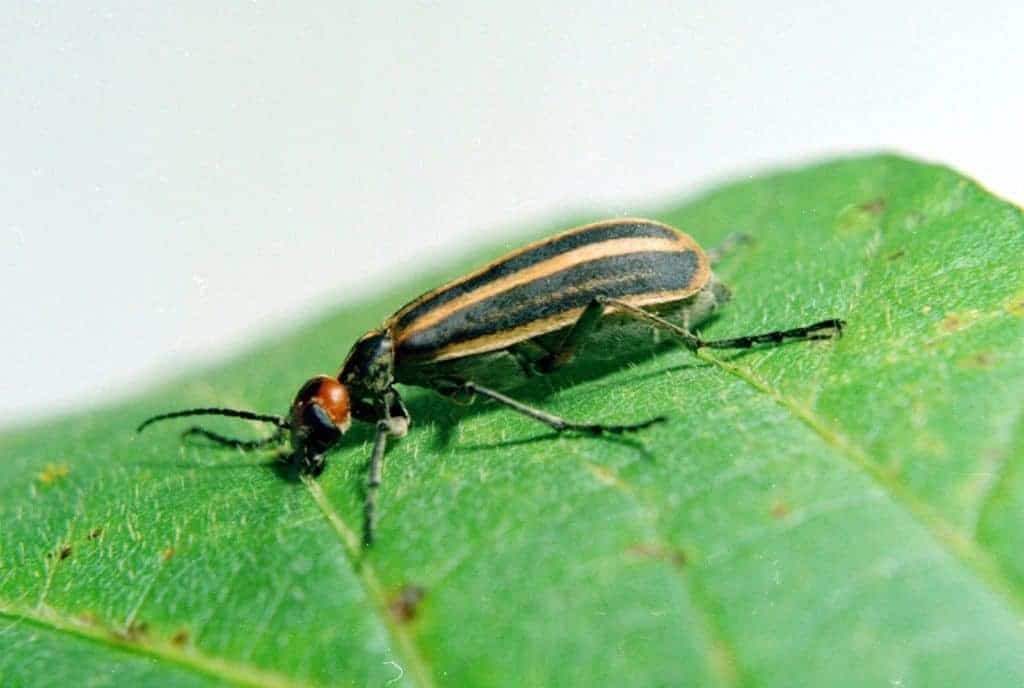
Owners should be aware of a potentially fatal tagalong in healthy-looking alfalfa hay: blister beetles.

Owners often base plant choices in aesthetics, but toxicity should be considered when planting near horses.
Wet weather has caused many farm managers to worry about nitrogen losses in their fields, especially in fields
Horses with neurologic disease often receive oral vitamin E supplementation.

Can we as horse owners make a few changes to our horse keeping habits to help lessen our draw on the ecosystem? We can make everyday changes such as recycling and conserving water, but what else can we do to reduce our impact on the environment?
A particular form of vitamin K could be a potential candidate for increasing equine bone density while decreasing breakdown. However, veterinarians caution that this is not a viable supplementation route to pursue until further research on the effect

Gastric ulcers can affect horses of all breeds, ages, shapes, and sizes, including weanlings.
Equine atypical myopathy (EAM), a seasonal, pasture-associated muscle disorder of unknown etiology (cause), presents a particular challenge to veterinarians. The disease is characterized by a generalized complete degeneration of muscle fibers, which
The immune system allows humans and animals including horses to survive in a complex world filled with harmful bacteria and viruses that can use our bodies for nourishment and reproduce within us. The immune system protects us from those organisms