Tail Hairs Reveal Gobi Desert Equids’ Dietary Choices
Przewalski’s and domestic horses feed exclusively on grass, while wild asses feed on grass along with shrubs in winter.

Przewalski’s and domestic horses feed exclusively on grass, while wild asses feed on grass along with shrubs in winter.

Help kick-start your horse’s furnace by providing proper fuel, particularly good-quality forage.
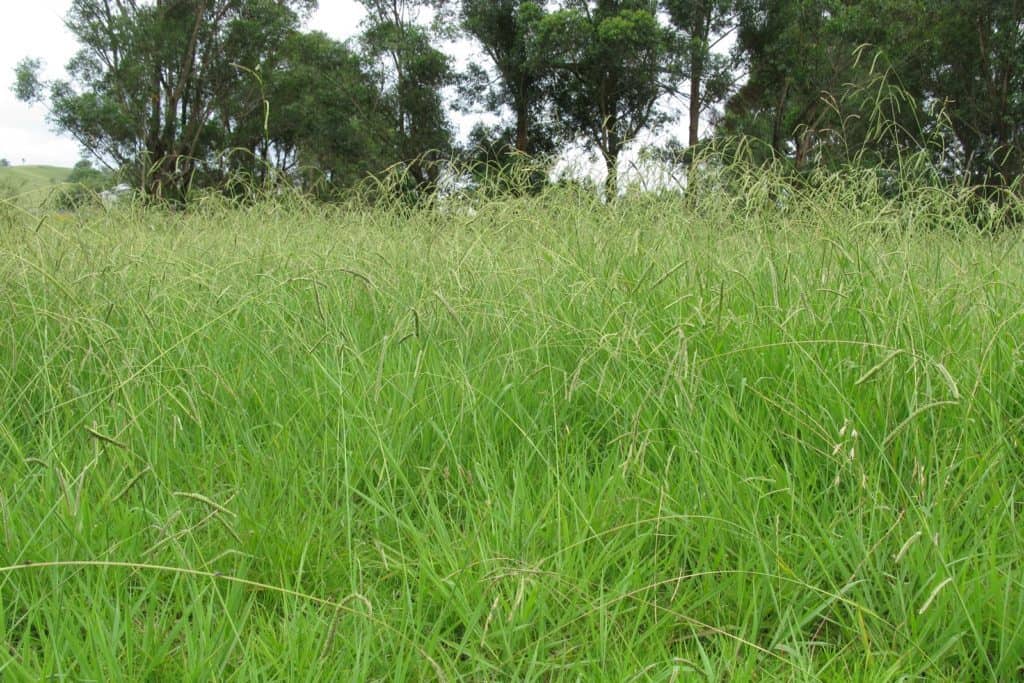
Scientists believe a batch of hay containing dallisgrass caused neurologic problems in horses residing in Bell County.

Researchers are investigating how horse owners view forage and their current forage-feeding routines.

Horses that plow, heal, or protect have distinctly different lifestyles than the average riding horse.
A horse owner asks if hay analysis is necessary. Our nutrition expert offers an answer and advice on getting a sample.
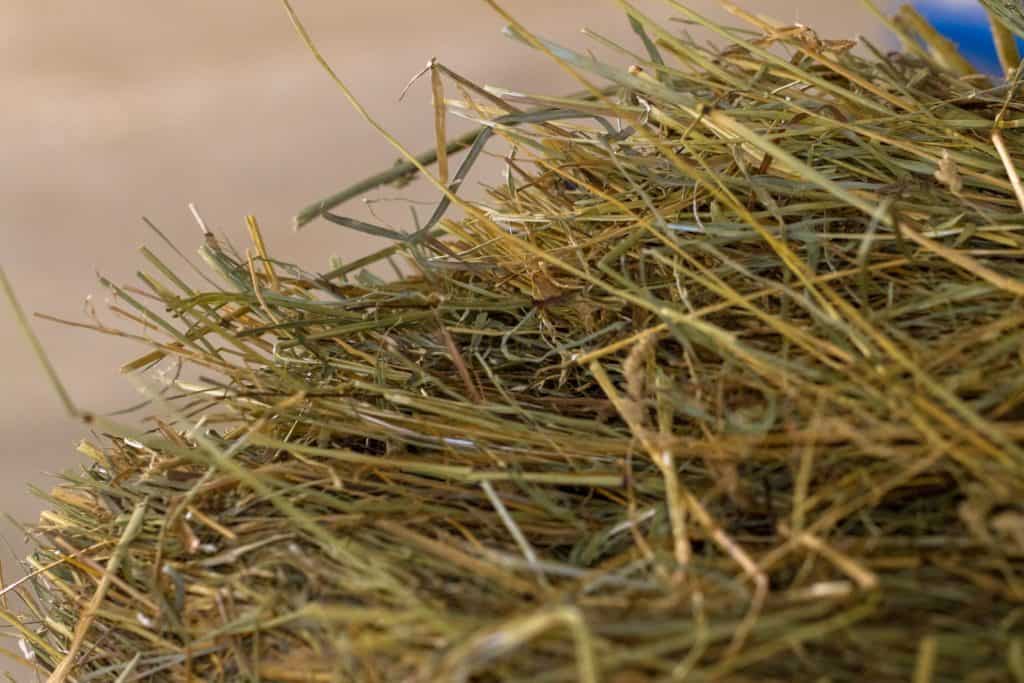
Use these six helpful tips when evaluating and choosing hay for your horse.
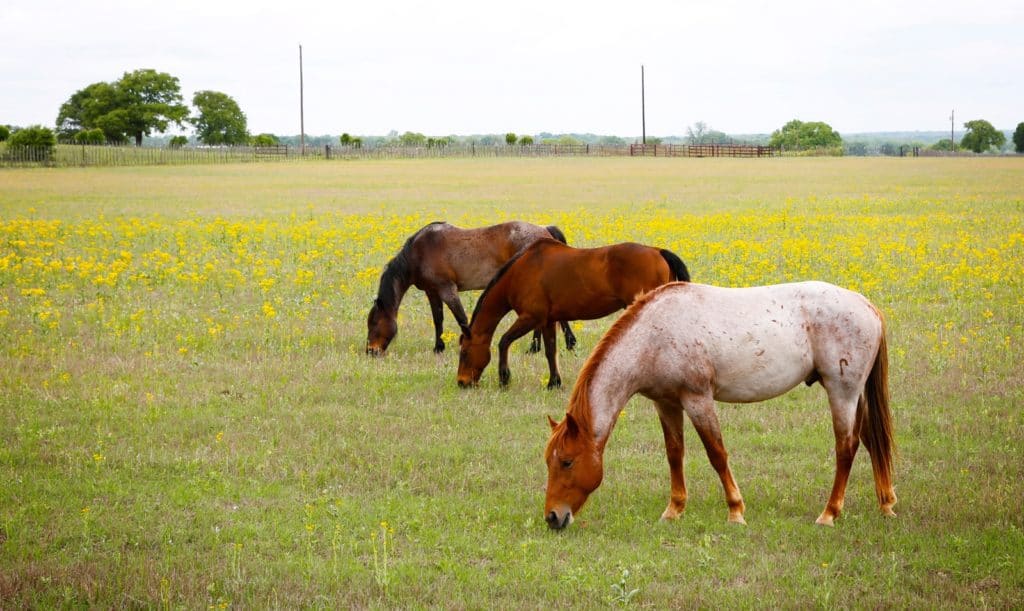
Ensure your pastures are clear of plants that can be toxic to horses.
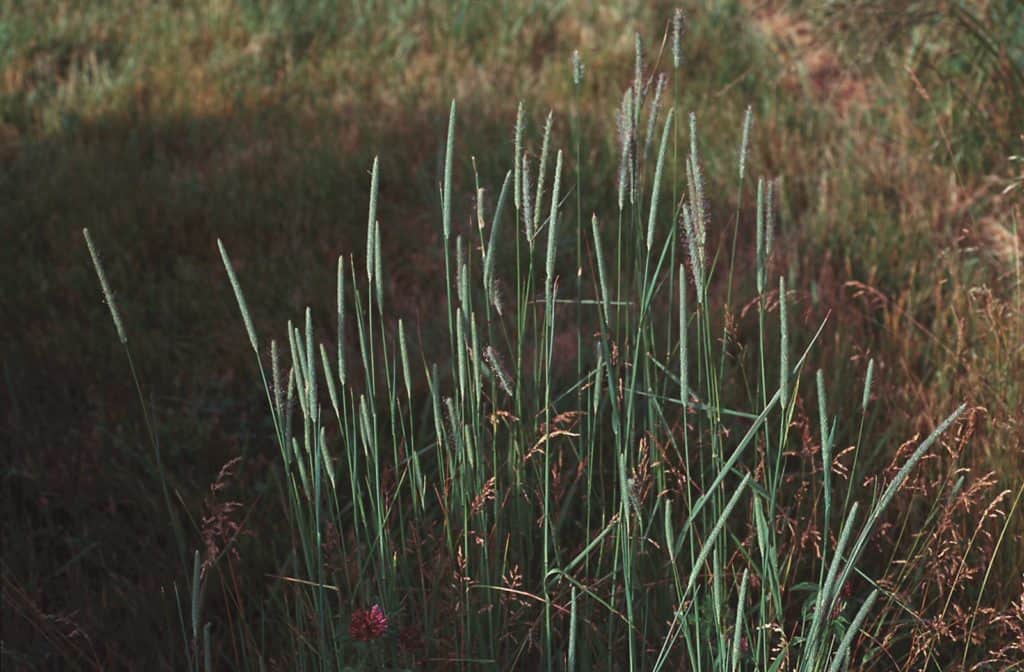
Timothy is a perennial grass that can survive harsh winters and wet soils better than most cool-season grasses.

Protecting your horse’s turnout now can help ensure green pastures later.

Take steps to reduce the risk of laminitis development, such as combating obesity and reducing pasture and NSC intake.

Being able to identify horses at increased risk of developing laminitis is key to reducing its incidence.

Orchardgrass is a cool-season perennial and a desirable hay and pasture grass for horses.
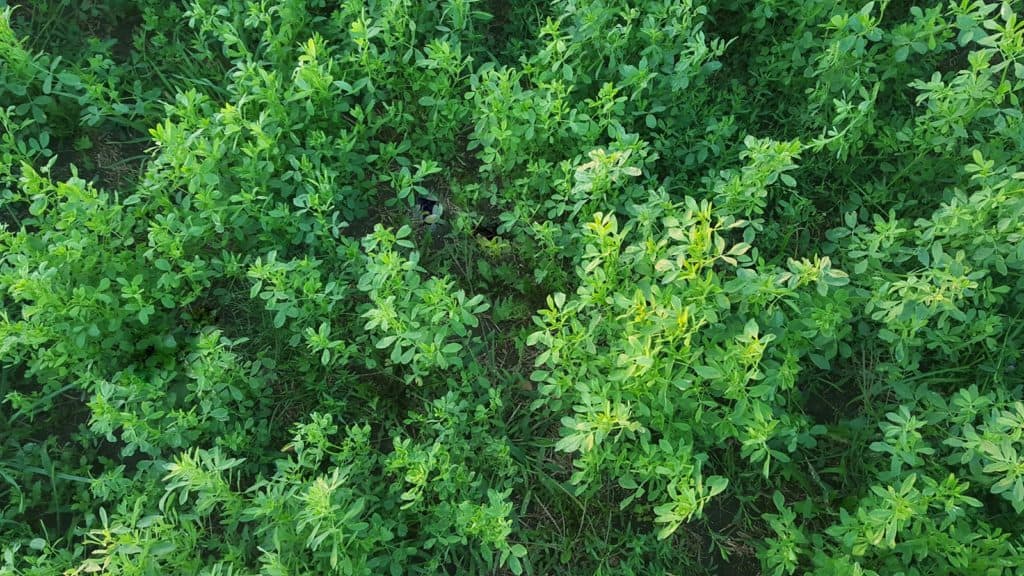
Wet and humid weather resulted in a number of diseases popping up in alfalfa crops across the commonwealth.

Weight loss–both the amount and rate–can help predict chronic equine grass sickness survival, researchers found.
Top take-homes from presentations on laminitis, grass sickness, atypical myopathy, sedation, and more.