Is Selenium Deficiency Deadly to Horses?
Too much dietary selenium can cause toxicity or even death. But too little selenium can be life-threatening, as well.

Too much dietary selenium can cause toxicity or even death. But too little selenium can be life-threatening, as well.

Red clover provides excellent forage quality when grazed or harvested before the flower blooms.
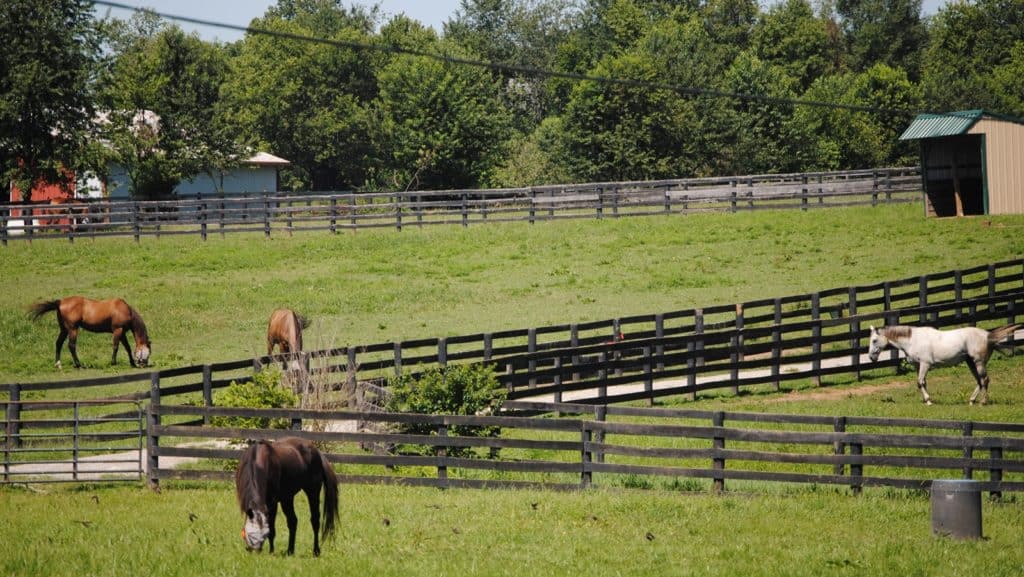
Last year Old Friends developed and implemented plans for improving all the paddocks on the farm.

Basic pasture management is relatively simple but requires diligence and understanding.

Weight loss is possible in most situations, provided the owner remains actively involved in the nutrition program.

Together the groups have studied fescue toxicosis, equine gut health, and other horse health and management aspects.

Large crabgrass is very palatable to horses and has a high nutrient content, making it useful for grazing in the south.
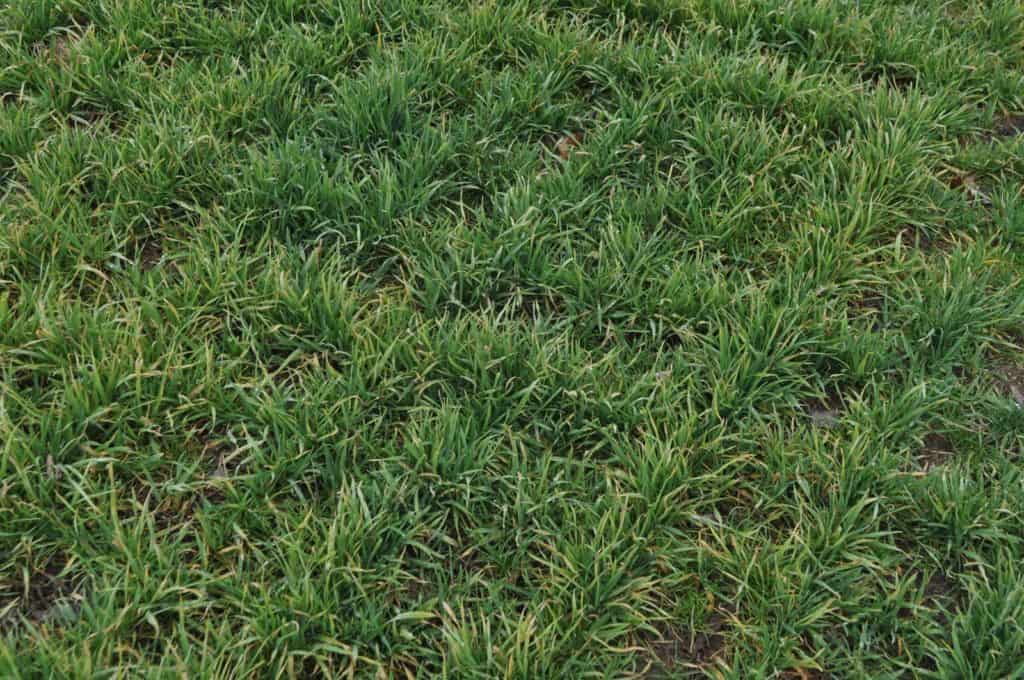
For cool-season pastures, fall is the ideal time to overseed to thicken a stand and fill in bare areas.
Tim Phillips, PhD, developed a new tall fescue variety that is nontoxic to grazing animals, including horses.

Practical ways to improve your horse’s welfare, based on discoveries from the growing field of equitation science.

Inspect and clean your hay loft or storage structure to help ensure the hay you store in it remains fresh.

Welfare issues include stress/pain behavior; inappropriate nutrition, stabling, and turnout; and delayed death.

Off-track Thoroughbreds have special nutritional needs as they begin transitioning to new careers.
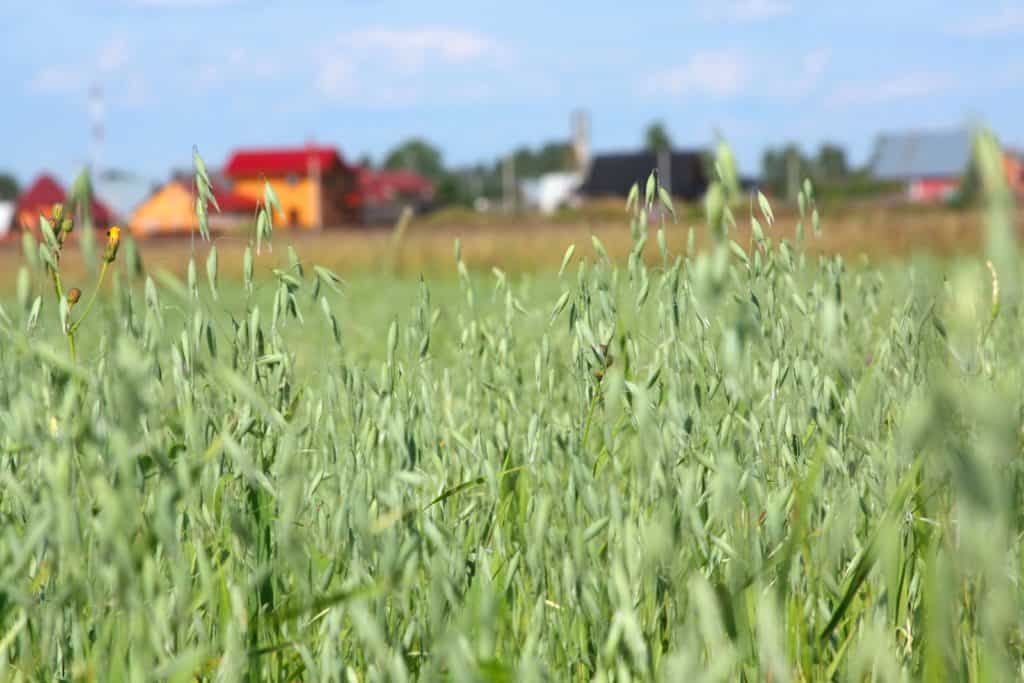
Can horses be turned out on an oat pasture if it is dried up and not green? The oats have already been harvested, and we turn cattle out to graze the leavings, but is it okay for horses?

Forages high in non-structural carbohydrates can be detrimental for some horses. Here’s what to know.

Of the 1,102 respondents, 397 (36%) said they purchase hay once a year for their horses.