The Grass Guide: Bahiagrass
Bahiagrass is a hardy grass species tolerant of drought and poorly drained soils of any type.

Bahiagrass is a hardy grass species tolerant of drought and poorly drained soils of any type.

More than half of the 929 poll respondents said they have used slow feed haynets for their horses.

Spring grass might be delicious for horses, but it can cause problems including laminitis and fescue toxicity.
Hypoglycin A is the toxin behind the potentially deadly muscular disease atypical myopathy.

Certain strains of fungi found in moldy fodder can cause serious problems in both horses and handlers, scientists found.

The rare condition–primary hypothyroidism–in mares could be behind a potentially deadly foal problem called CHDS.

This legume is one of the most in-demand species for hay production in the United States.

More than 50% of respondents said they feed grain, concentrates, complete feeds, or supplements twice each day.
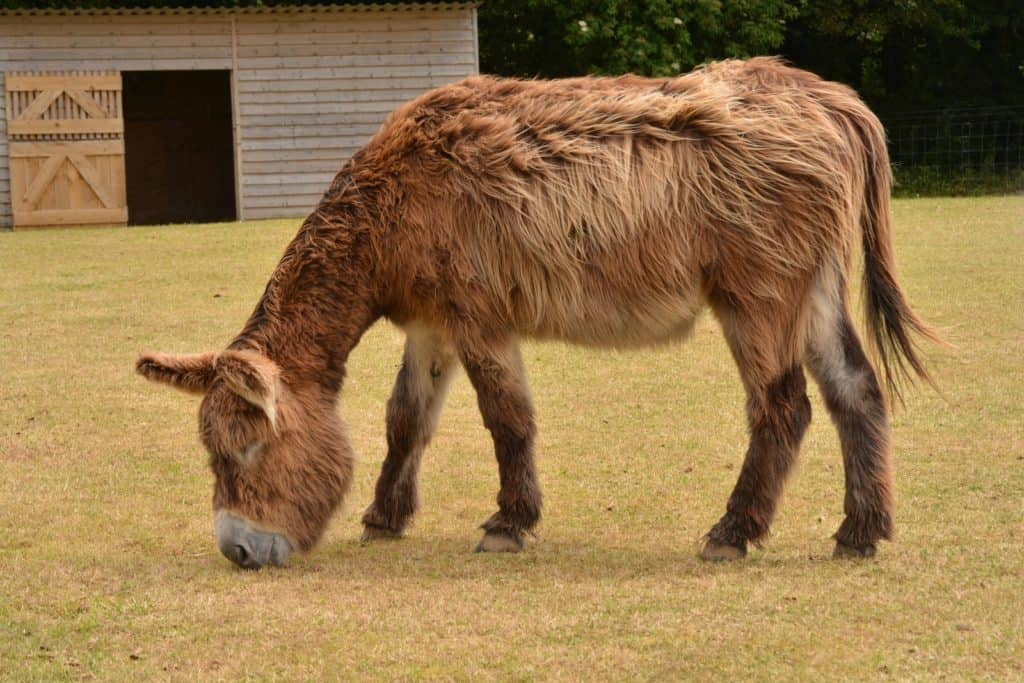
Donkeys aren’t horses, and nowhere is that more apparent than in their feed needs. Find out what your donkey should eat.

Using your horse like a “lawnmower” can improve pasture health. Alayne Blickle of Horses for Clean Water explains.

Discover how you can make improvements to your horse pasture with little investment or effort required.

This cool-season grass has a high nutritive value and works well in rotational grazing.

The fungus that lives inside infected tall fescue can have negative effects on broodmares and their foals. Download this free fact sheet to learn more.
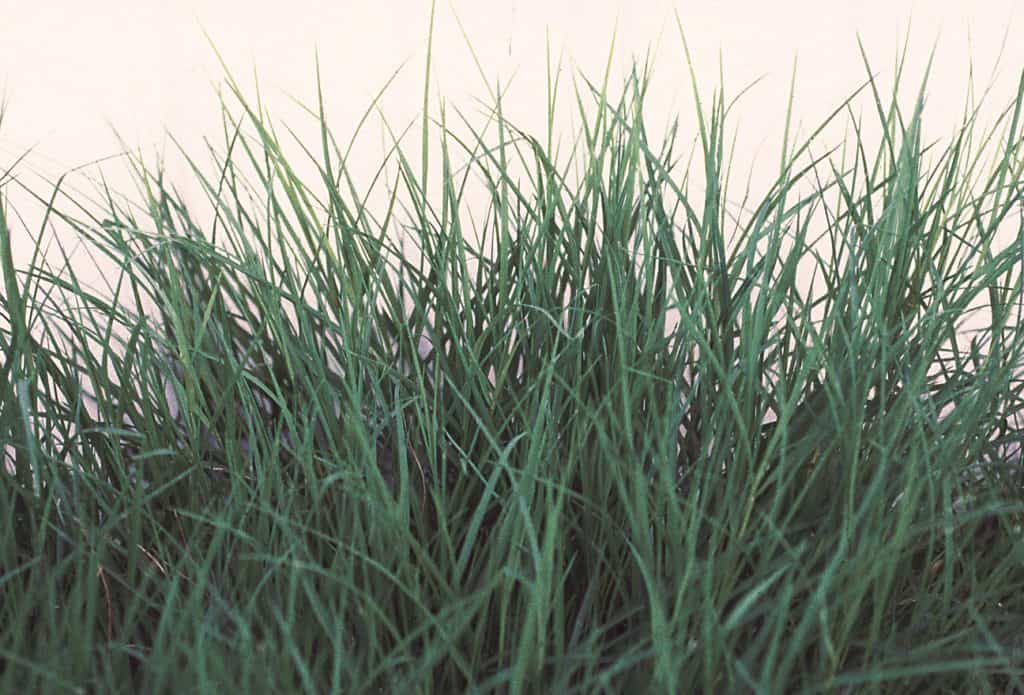
This grass has average nutrient quality, but its persistence and high forage yields makes it ideal for horse pastures.

In a nutshell, phosphorus is an essential nutrient that horses cannot live without. Here’s what you should know.

Focusing efforts on pasture management could have positive impacts on our horses, our wallets, and the environment.