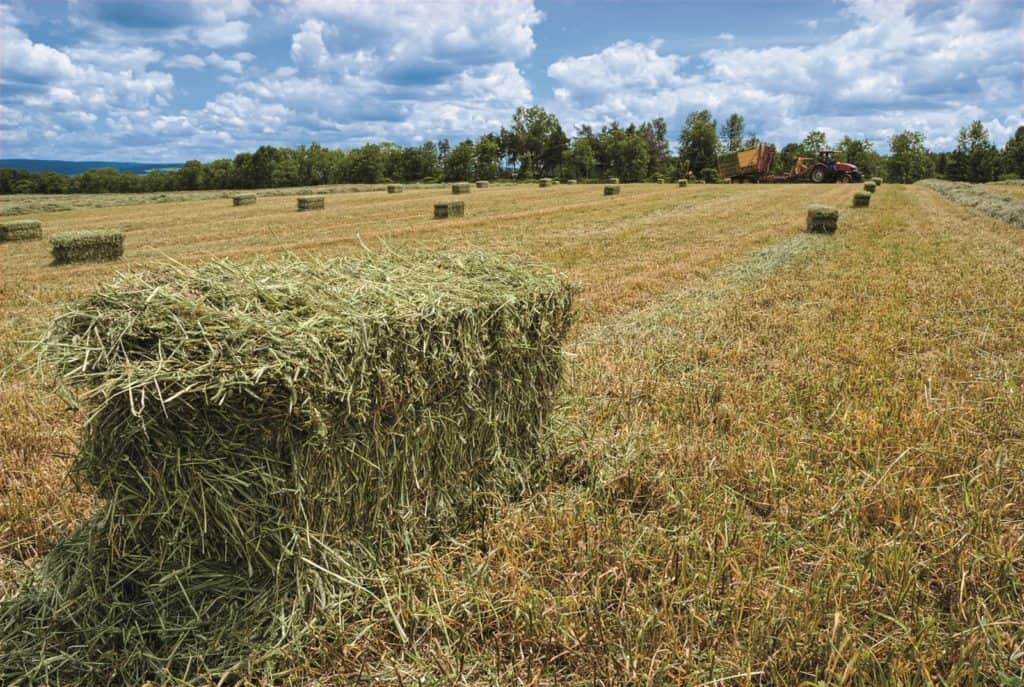
Understanding Round and Square Bale Hay for Horses, Part 2
Here, we’ll take a look at small square bales–the most common form of hay for horses.

Here, we’ll take a look at small square bales–the most common form of hay for horses.
Lecture topics will include the nutritional value of pasture, the economics of grazing versus haying, and more.

Don’t get caught unaware. Ingesting just a handful of these beetles could kill your horse within 72 hours.

Readers learned about a variety of topics from sweat marks under saddles and laminitis to beet pulp and hoof cracks.

In this two-part series, we’ll explore the two bale types and how to best utilize each. Here we’ll look at round bales.
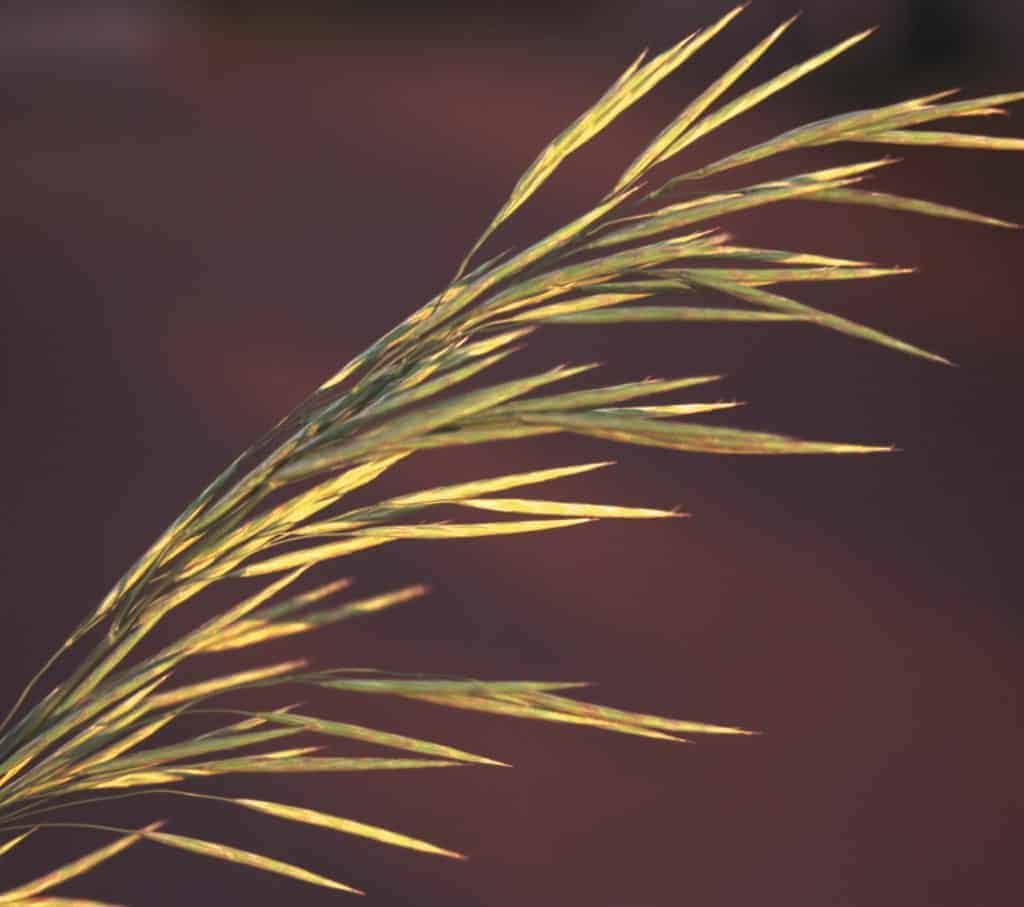
Smooth bromegrass is a common pasture and hay grass in the northern United States and Canada.
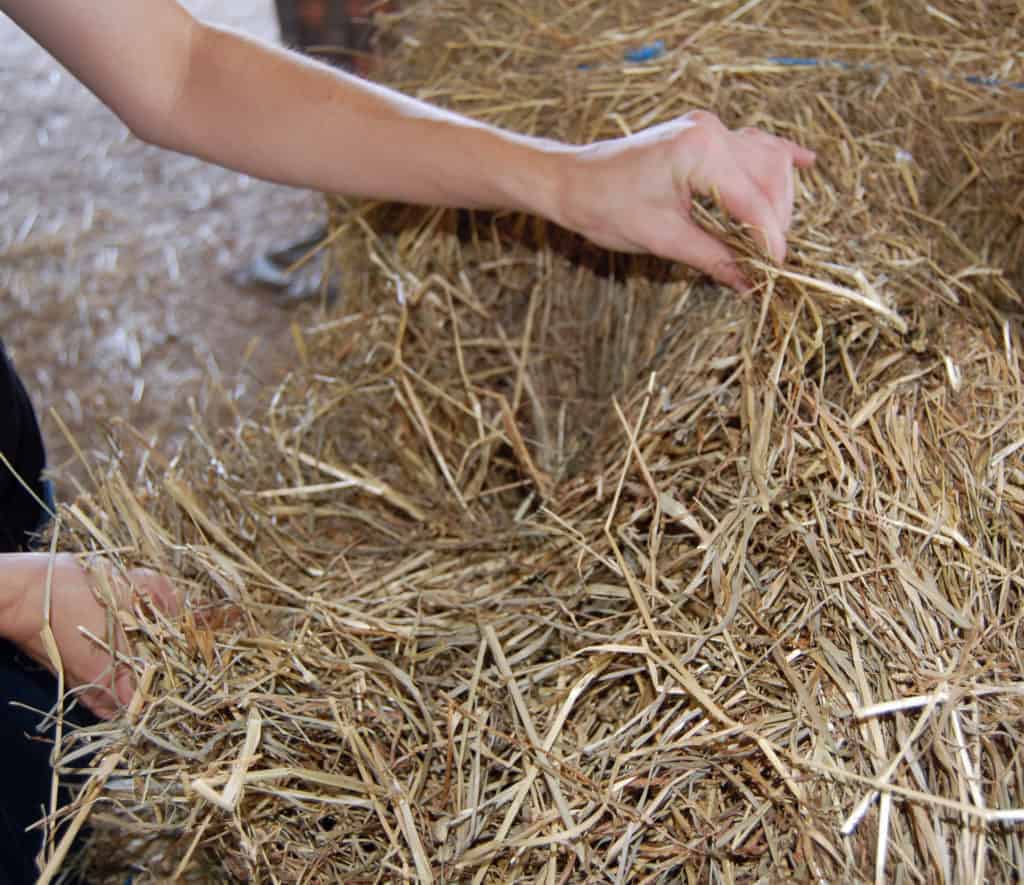
Appearance, quality, availability and selection, and price are the top factors that influence readers’ hay choices.

Take steps to help ensure your horse has everything he needs to stay healthy and happy when the weather changes.
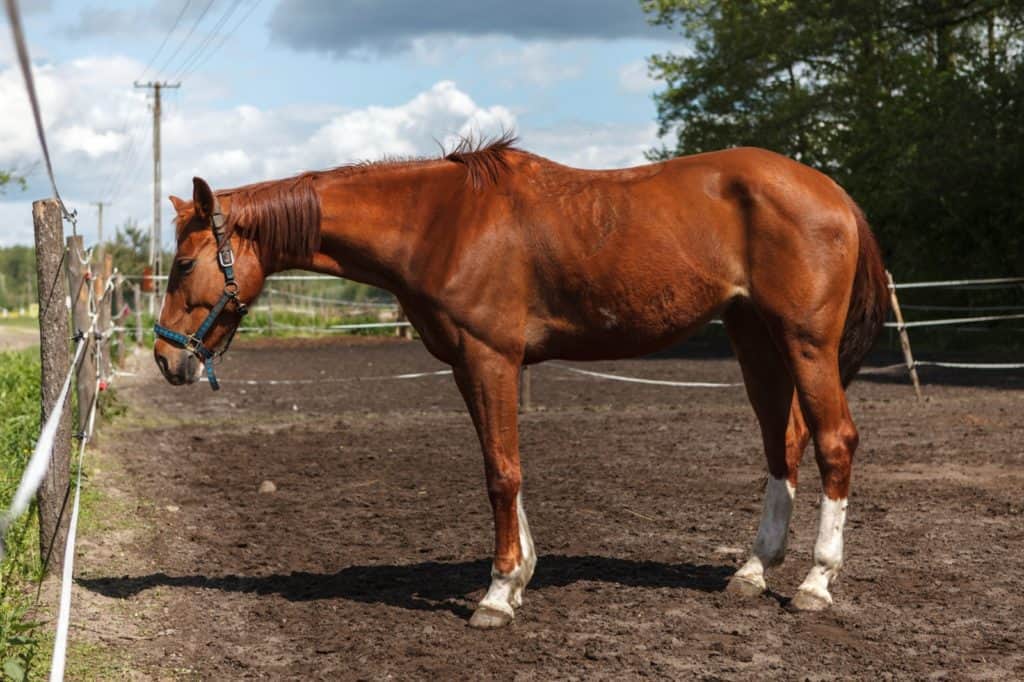
My 25-year-old Thoroughbred has had trouble keeping weight on after a stroke. How can I help him?

High concentrations of manure in paddocks can degrade local water quality and upset water’s natural balances.

A recent survey suggests that many horse owners have a poor understanding of equine nutrition.
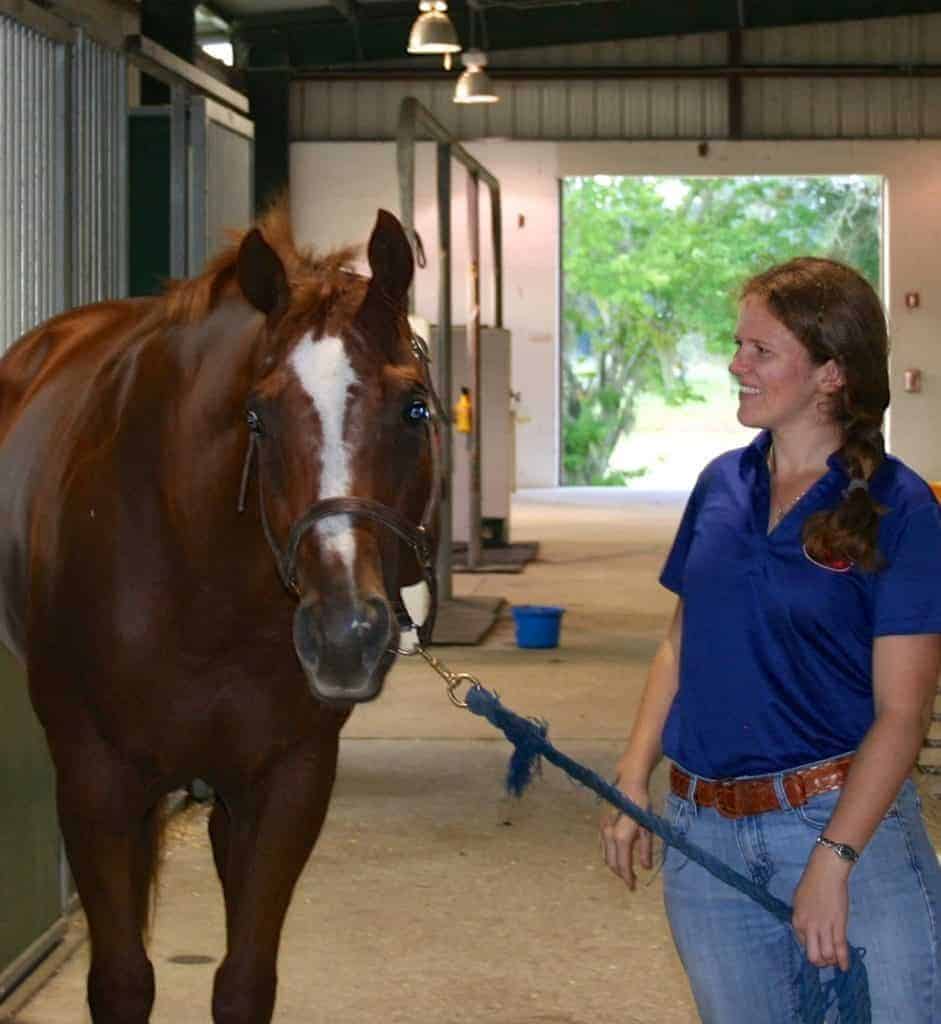
Hansen studied the influence of forage chemical composition on its digestibility and retention in the digestive tract.

Vets are warning horse owners to take extra precautions as autumn winds could blow toxic sycamore seeds into pastures.

Increased vigilant behavior was correlated with intestinal microbial disturbances induced by a high-starch diet.

Being prepared in advance can help horse owners handle this scary situation as well as possible.

Creeping indigo was once studied for its potential as a livestock feed, but can be deadly to horses.