Trace Mineral Basics: Molybdenum
Molybdenum isn’t usually a topic of conversation, but this mineral is an important part of your horse’s diet.

Molybdenum isn’t usually a topic of conversation, but this mineral is an important part of your horse’s diet.

In some areas, water sources can contain substantial amounts of Mn, which can affect dietary needs.

Iron plays a key role in oxygen transport and immune function in the horse.
Dr. Jimmy Henning will return to the UK faculty as an extension forage specialist.
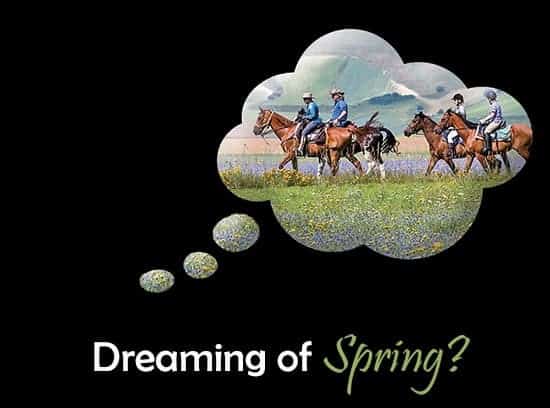
Join The Horse‘s Countdown to Spring Challenge and get your horses and farms ready for warmer weather!
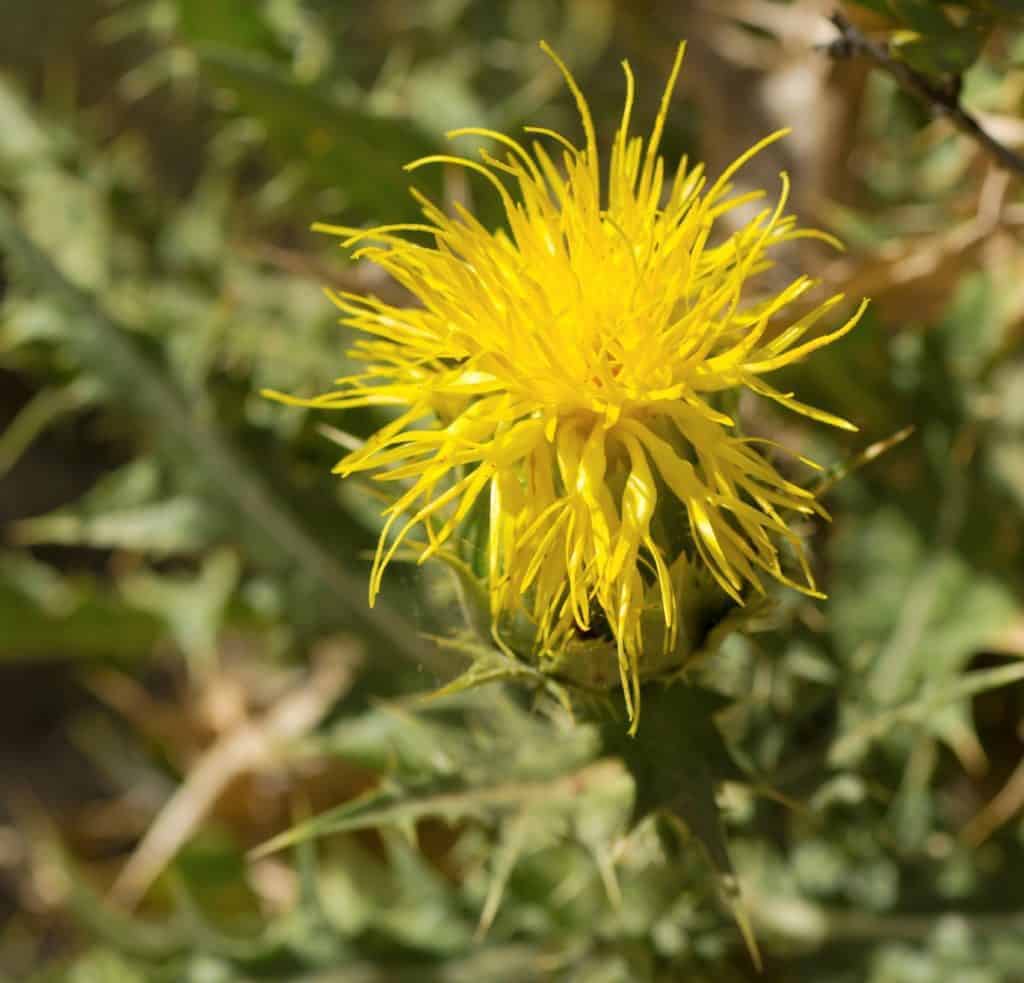
An owner worries about her horse eating thistle. An equine nutritionist responds about the risks.

Mild weather could be behind higher-than-average ergovaline concentrations in tall fescue in Central Kentucky pastures.
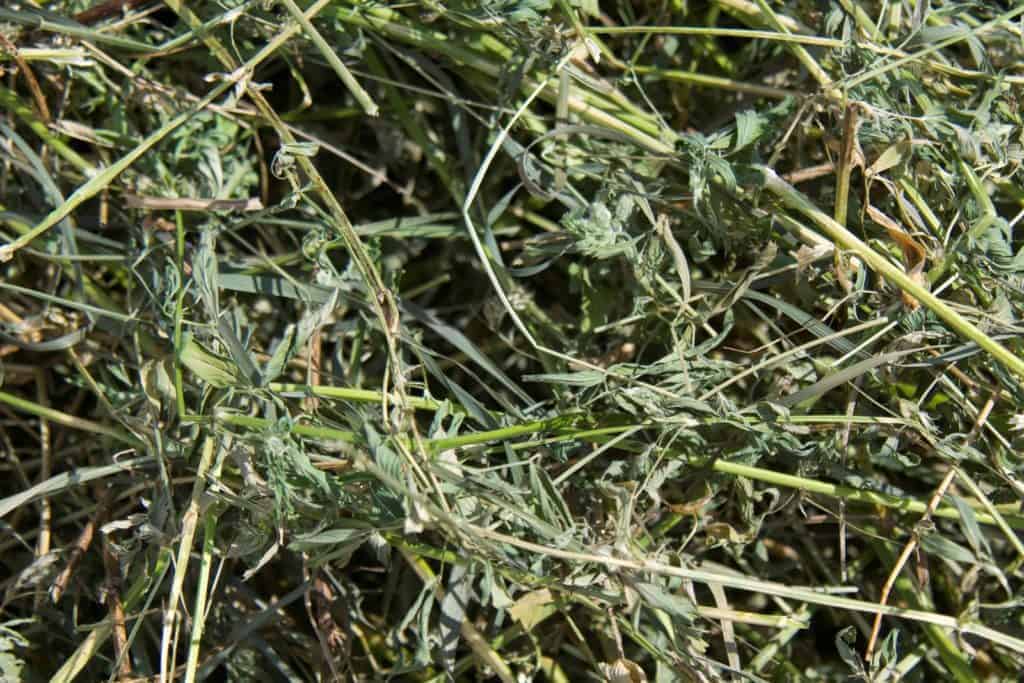
You’re faced with the choice of offering your horse alfalfa pellets or hay. Which should you choose?

Horses with exertional myopathies can benefit from dietary modifications as well as consistent targeted exercise.

Roly-poly, cresty-necked horses and ponies are in harm’s way. Here’s how to help your overweight equid shed pounds.
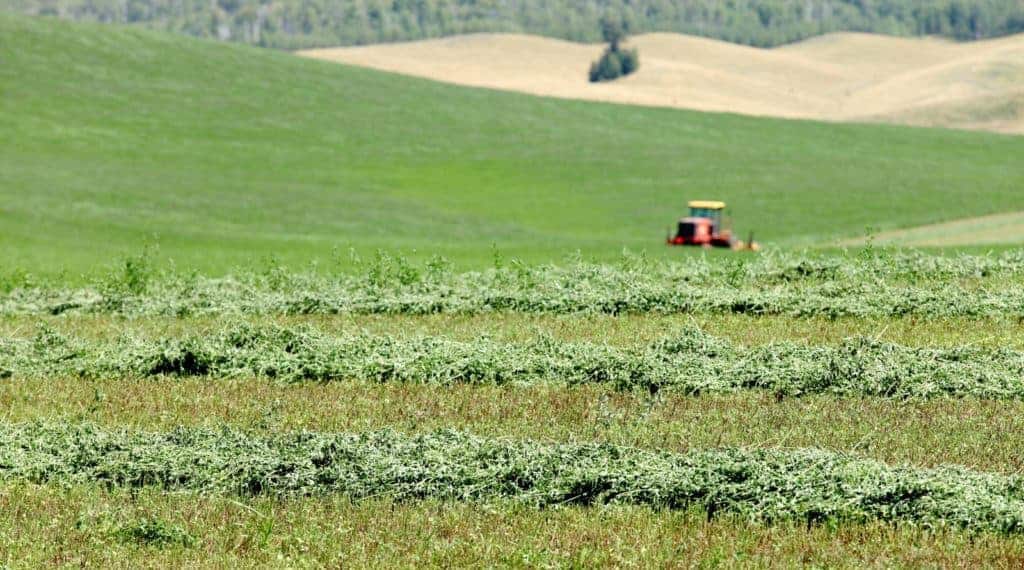
Attendees will learn how they can improve the efficiency and quality of all their hay, silage, and baleage production.

Lectures will focus on reducing tall fescue toxicosis, the top toxins for horses in Kentucky, weed control, and more.
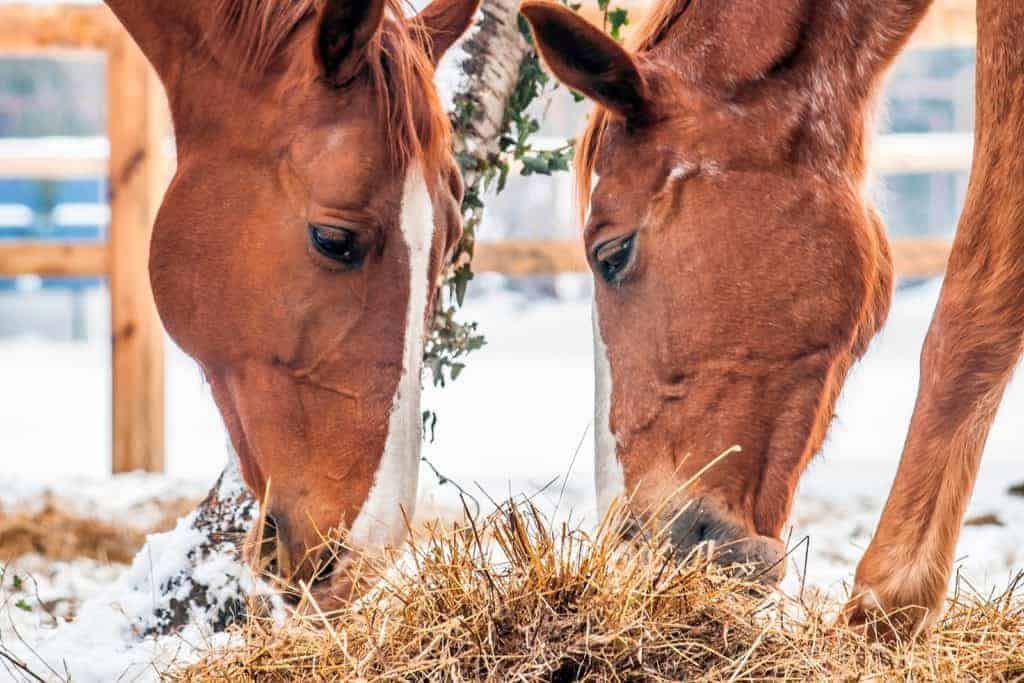
A combination of cold air and winds create dangerous conditions. Here’s how to protect your horses and other animals.
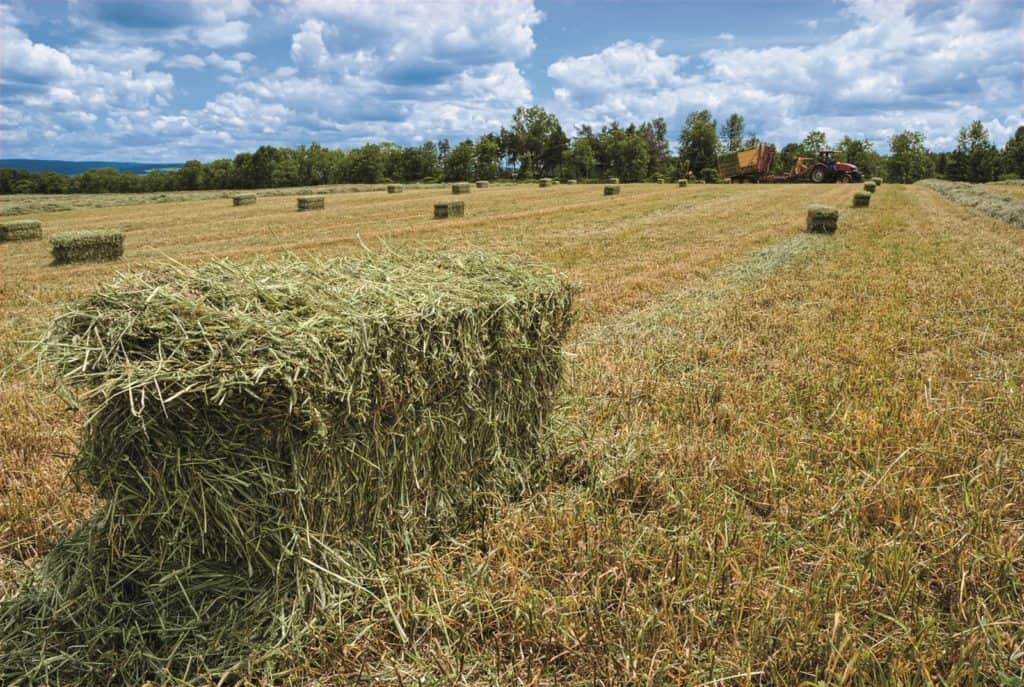
Should I look for hay that comes from a fertilized or unfertilized field? In what ways could the nutrition be affected?

Researchers investigated oral esomeprazole and a long-acting injectable omeprazole formulation.

Articles on behavior and equitation science, wound care, laminitis, beet pulp, hoof care, and more were popular in 2016.