Managing Laminitis-Prone Horses
But how should you manage a horse that hasn’t yet developed laminitis, but is a likely candidate?

But how should you manage a horse that hasn’t yet developed laminitis, but is a likely candidate?
Two Purdue University Extension and Historic Prophetstown forage clinics designed to teach horse owners to
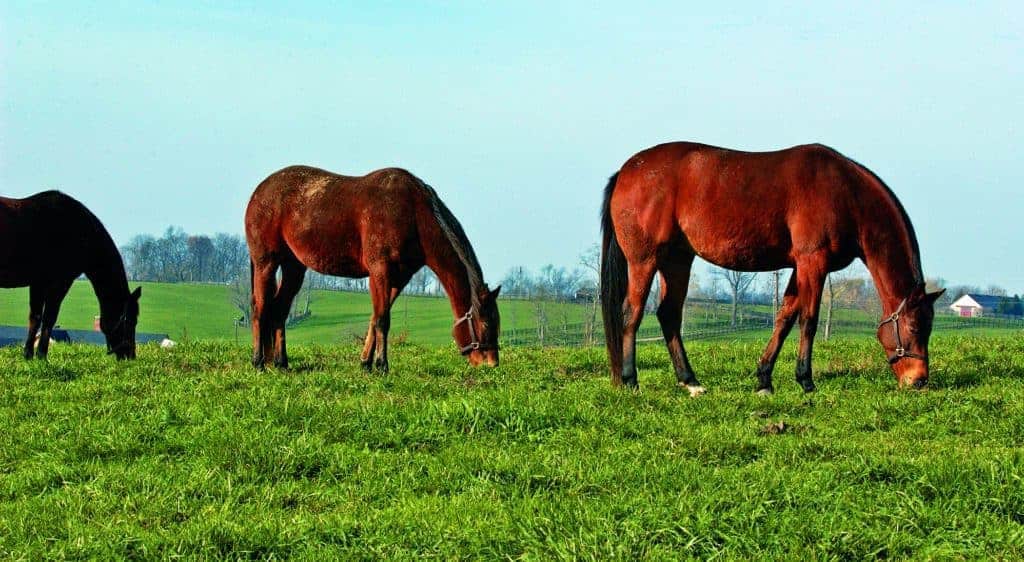
With a little forethought you can maintain that all-important digestive health throughout the year.
How do you design a feeding program that mimics how horses’ feeding habits have evolved?
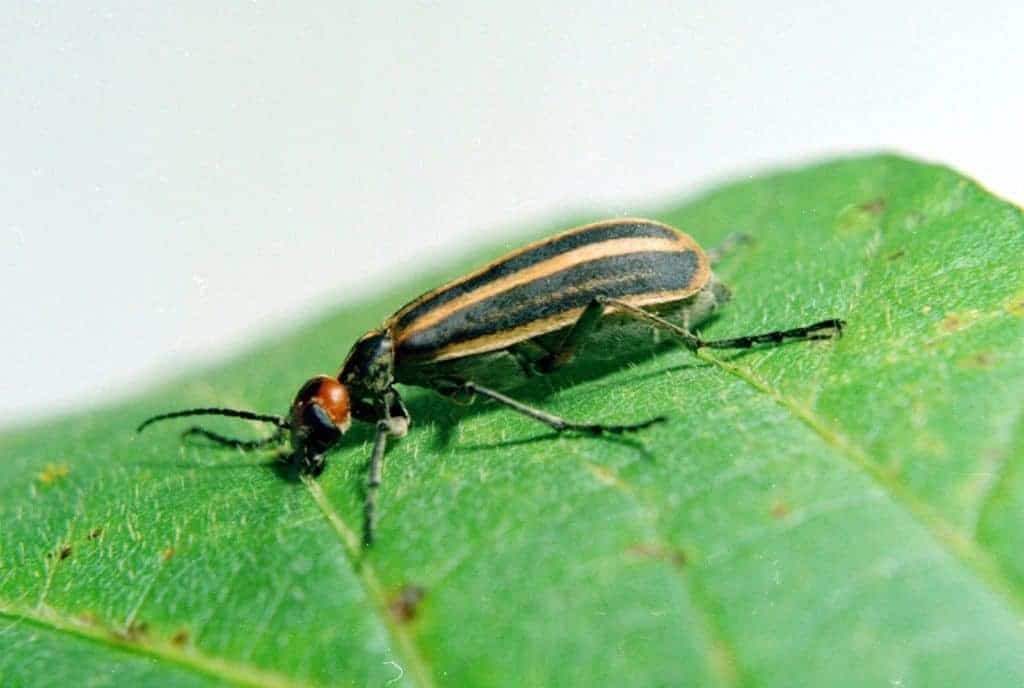
Owners should be aware of a potentially fatal tagalong in healthy-looking alfalfa hay: blister beetles.

Owners often base plant choices in aesthetics, but toxicity should be considered when planting near horses.
Wet weather has caused many farm managers to worry about nitrogen losses in their fields, especially in fields

Can we as horse owners make a few changes to our horse keeping habits to help lessen our draw on the ecosystem? We can make everyday changes such as recycling and conserving water, but what else can we do to reduce our impact on the environment?

Gastric ulcers can affect horses of all breeds, ages, shapes, and sizes, including weanlings.
Equine atypical myopathy (EAM), a seasonal, pasture-associated muscle disorder of unknown etiology (cause), presents a particular challenge to veterinarians. The disease is characterized by a generalized complete degeneration of muscle fibers, which
Many land managers know firsthand the damage invasive plant species can do to natural resources, but no one knows exactly why these species are able to outcompete native plants. Invasive species are common throughout the world. A long-held theory

Carbohydrates are important energy sources for horses, and they are required for digestive health.
When it comes to designing diets, knowing the basics of how horses digest food is half the battle. It’s important to consider each horse’s energy requirements before developing a feeding schedule.
Fall is a good time to take stock of the quality of horse pastures. The weeds that were most prevalent and uncontrolled during the summer will now be large and producing seeds.

Alsike and red clover can be associated with less common conditions in horses such as photosensitivity and liver disease.

Just because a horse is older does not mean he needs a special diet. However, many older horses with special physical or nutritional needs (geriatric horses) require specific diets and feed modifications to maintain good health and body condition.