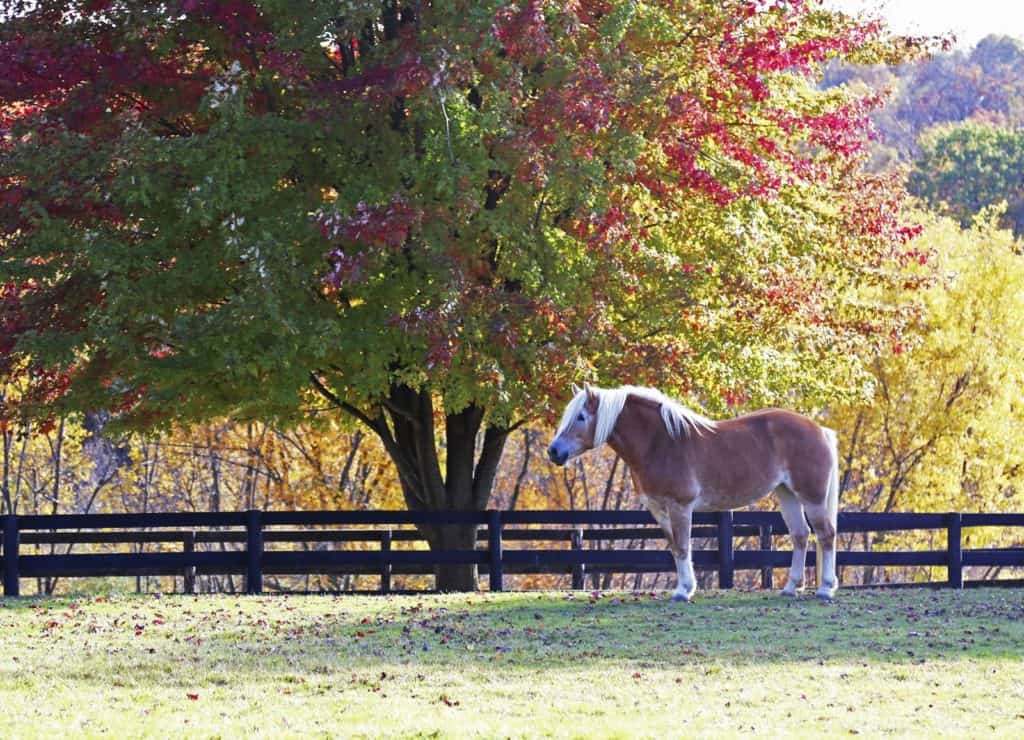
Fall in Place: Create a Winter Paddock
You can greatly improve the health and productivity of your pastures by creating and using a winter paddock or “sacrifice area” to confine your horses.

You can greatly improve the health and productivity of your pastures by creating and using a winter paddock or “sacrifice area” to confine your horses.

Researchers found the frequency of intestinal contractions was lower in stabled horses than pastured horses.
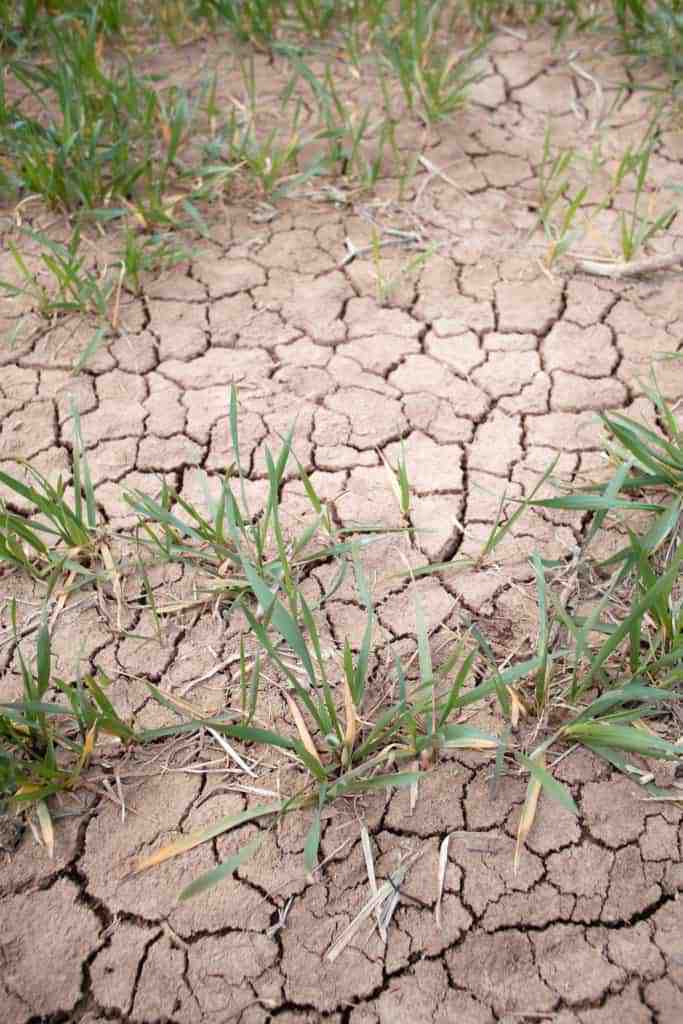
Horse owners in the South are faced with “exceptional” droughts and high hay prices as the drought continues.
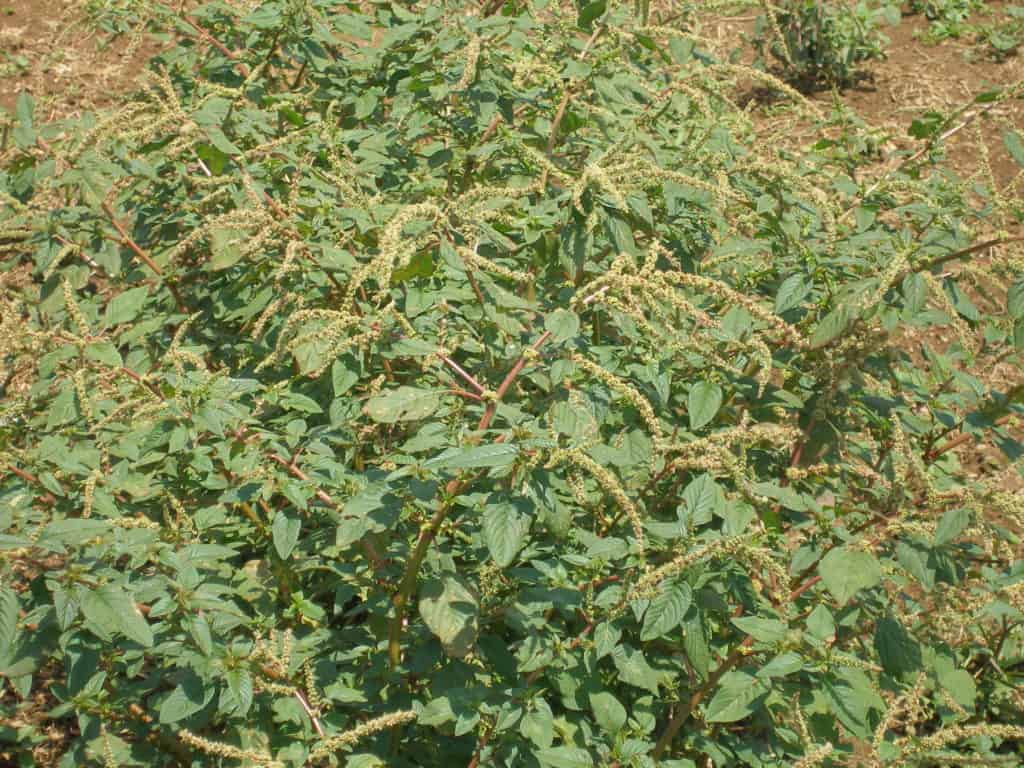
Spiny pigweed control is accomplished easily by applying herbicides to plants shorter than 12 inches tall.

Grazing muzzles can be effective at reducing pasture intake, sometimes reducing intake by as much as 85%.
The MSU Extension grazing school will take place Sept. 12-13 in Lake City, Mich.
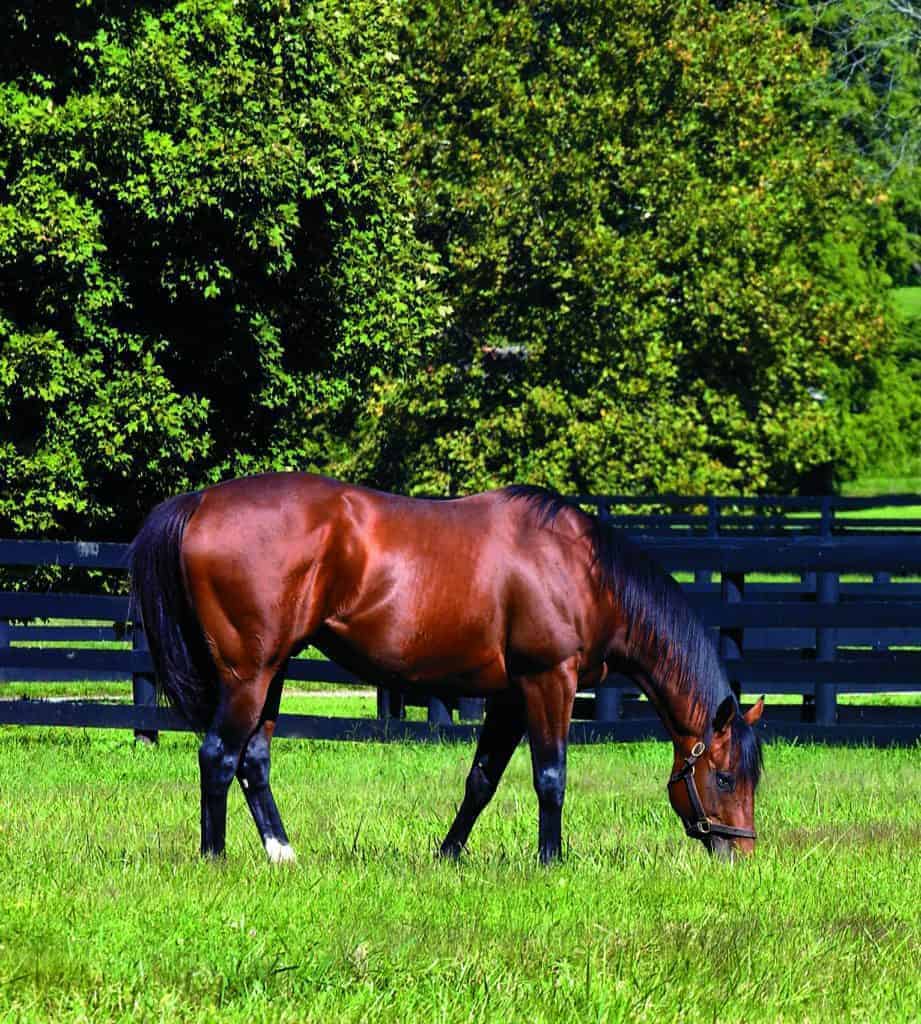
Collecting an accurate pasture sample is only half the battle; interpreting the results and putting them to go
UK is home to a unique USDA research unit that focuses a large portion of of its forage research on horses.
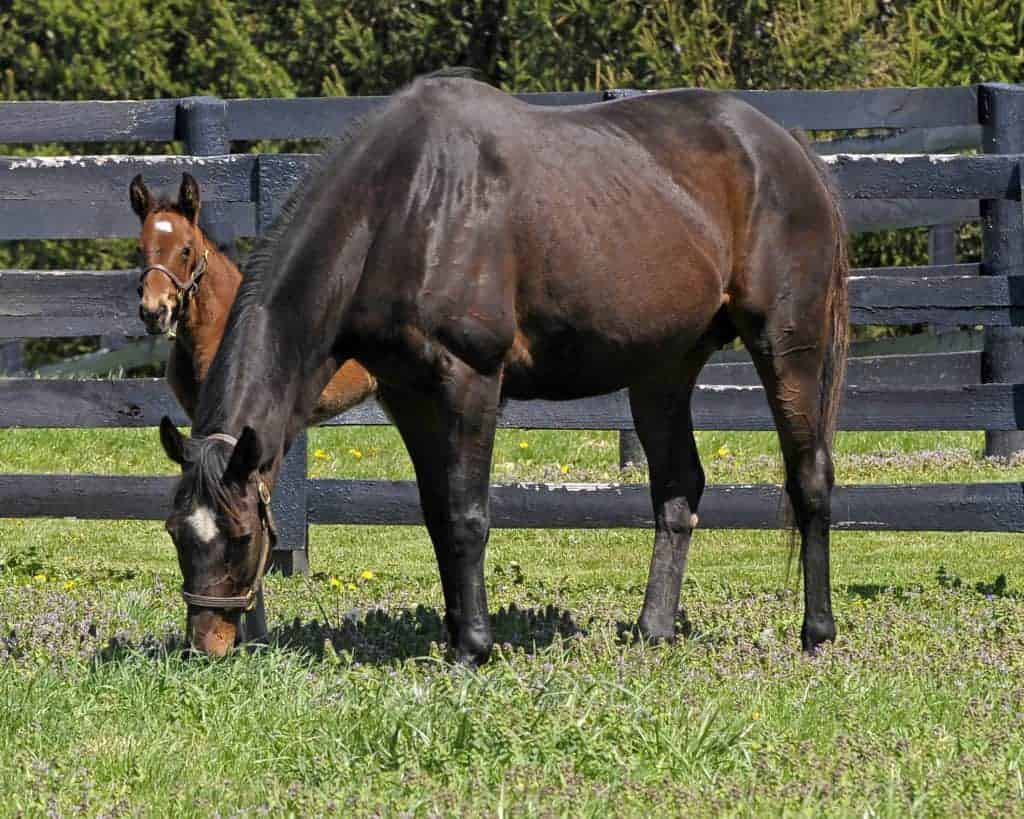
Tall fescue produces a toxic alkaloid that causes disorders in broodmares that consume the forage.
Horse owners, livestock producers, and farmers are all looking for help in getting through the dry spell.
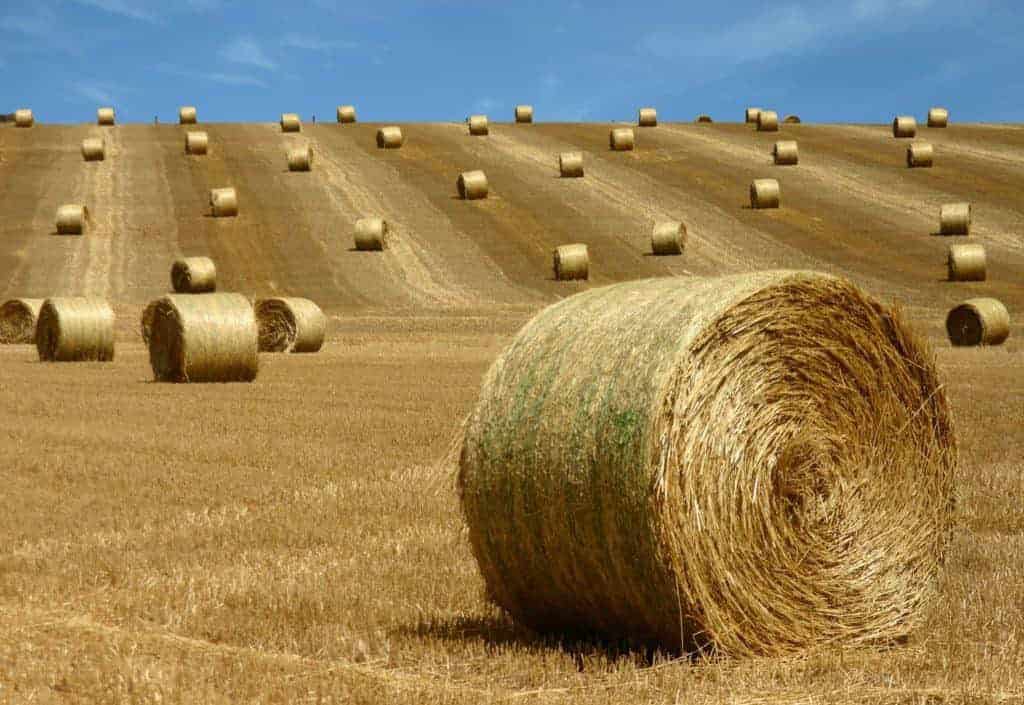
As Texas battles extreme drought, horse owners struggle to get their hands on enough hay for their horses.
William W. Witt, PhD, was featured in a video produced by TheHorse.com that won third place at the American
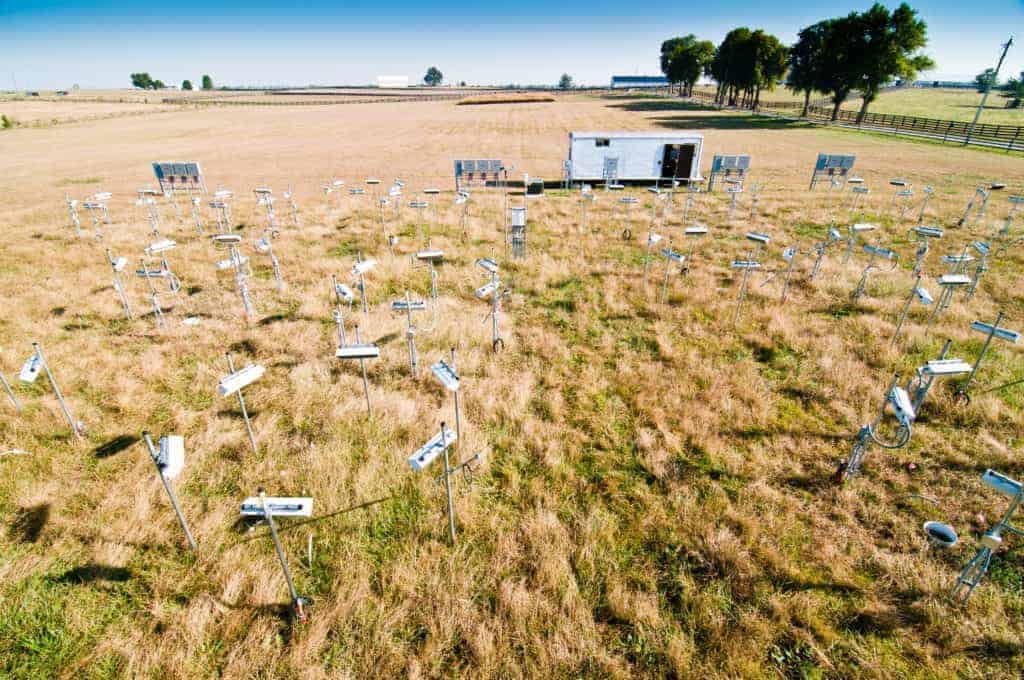
Rebecca McCulley, PhD, is studying how climate change could affect Kentucky pastures’ composition and what
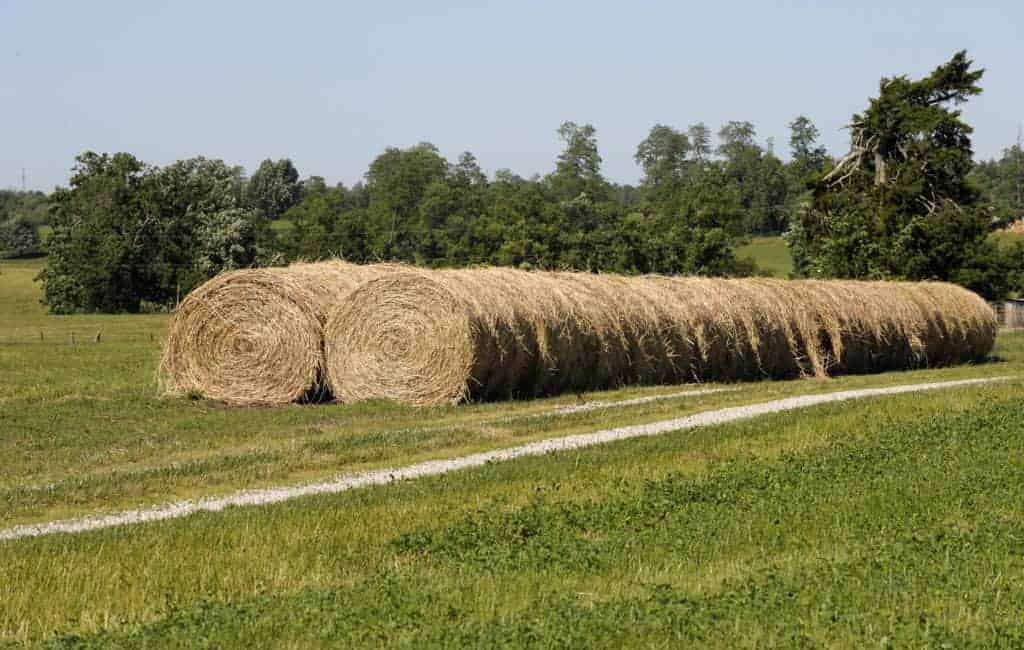
Exceptionally wet weather delayed hay cutting this spring, but producers likely still have time to grow and…
As lush summer grass grows, unfortunately so does your horse’s risk for laminitis.
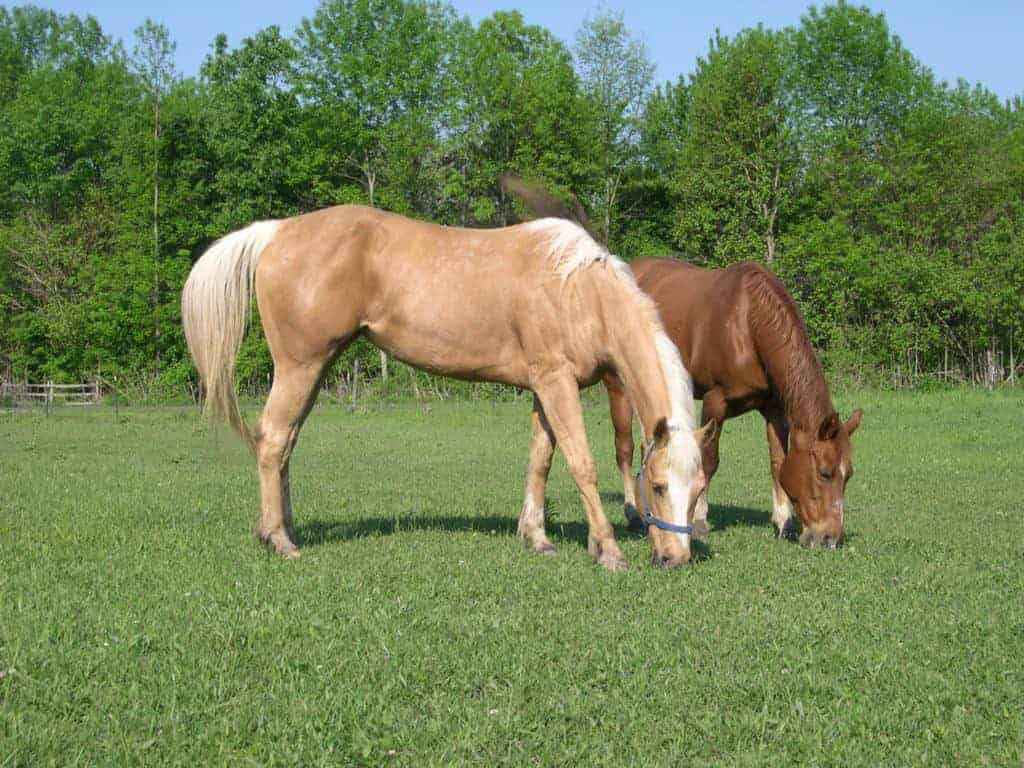
Assess your geographic region, plant species, soil, and plant stand to help maintain your pastures’ (and your horses’) health.