Equine Spring Transition Tips
Dr. Kristina Hiney, PhD, Omega Fields Equine Nutrition Advisor, has prepared a series of seasonal tips to help horse owners transitioning their horses from one season to another.

Dr. Kristina Hiney, PhD, Omega Fields Equine Nutrition Advisor, has prepared a series of seasonal tips to help horse owners transitioning their horses from one season to another.
Spanish translation of an article on controlling access to spring pasture grasses to prevent laminitis.
Spanish translation of an article reviewing equine grass sickness (enfermedad equina de los pastos).
Proper pasture management prevents erosion and nutrient loss from the soil, which also helps improve stream and water quality. In addition, pastures can provide an excellent “free-choice” exercise plan for horses. But the most important role pasture
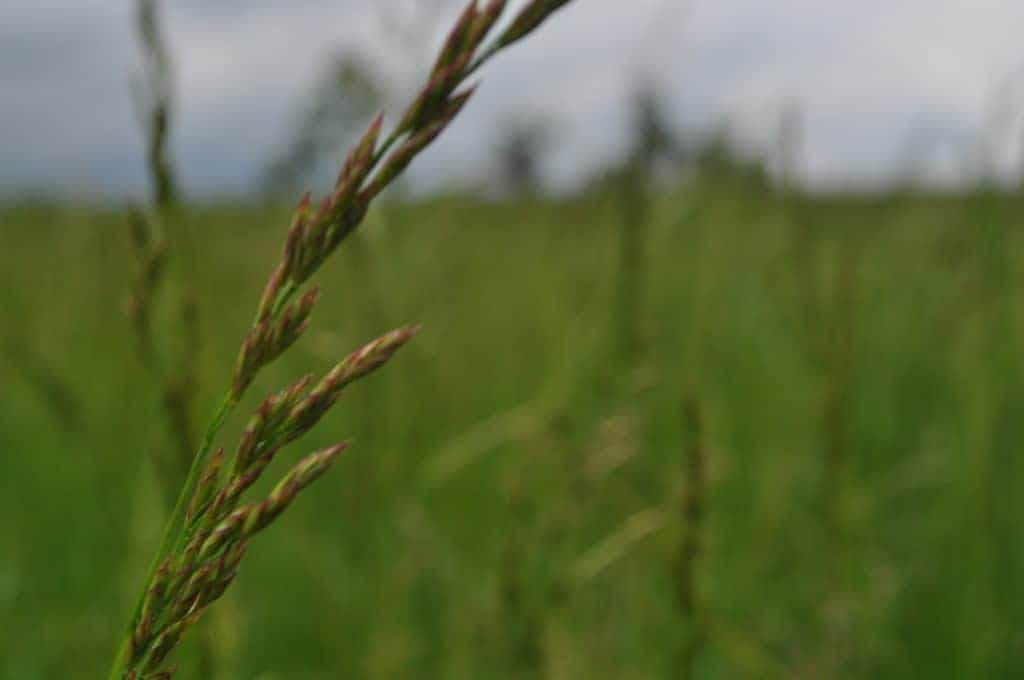
Broodmare farm operators in the southeastern United States are interested in managing tall fescue toxicity because of the pregnancy complications it can cause.
The comment period for a draft environmental impact statement evaluating the potential environmental effects of deregulating alfalfa genetically engineered to be resistant to the herbicide glyphosate, known commercially as Roundup, has been ext

Quality forage and grain alternatives can help owners manage horses better during drought and economic downturn.
Recent reported crop losses in North Carolina and several other states are linked to certain broad leaf herbicides containing aminopyralid, clopyralid, and picloram, according to researchers. In North Carolina, people with gardens and organic
Kentucky horse owners might find Bermudagrass to be a good summer pasture species for mares, foals, and yearlings, and it might also serve as an on-farm source of hay or bedding. These observations are based on a continuing four-year study at the
A good pasture is not just a grassy field surrounded by a fence. It’s a place of beauty, a weed-free meadow where horses
Pasture-induced laminitis (sometimes referred to as founder) can be triggered when susceptible horses ingest high amounts of sugar or fructans that are naturally found in some pasture grasses.
Susceptible horses include, but are not limited
Horses might serve as good management tools for pastures moderately polluted by trace elements, according to Spanish researchers. And provided the animals receive adequate, systematic monitoring through biological sampling, they can be kept on
Horses are better able to maintain fitness when turned out on large pasture, according to Patty Graham-Thiers, PhD, of Virginia Intermont College, Bristol, Va. She presented results of her recent study at the 2009 Equine Science Society
Researchers examined the effects of uneven feet on equine performance and linked this to other faults.
As horse owners put together a disaster plan and cope with difficult situations, one of the first concerns should be minimizing changes in feed management.
Here are some tips to reduce the nutrition costs associated with your horses.