Warm-Season Grass in the A.M.: The Ultimate Low-Carb Pasture?
Warm-season grasses, such as Bermuda and modified crabgrass, and early morning turnouts might be ideal for obese horses and those with metabolic issues.

Warm-season grasses, such as Bermuda and modified crabgrass, and early morning turnouts might be ideal for obese horses and those with metabolic issues.
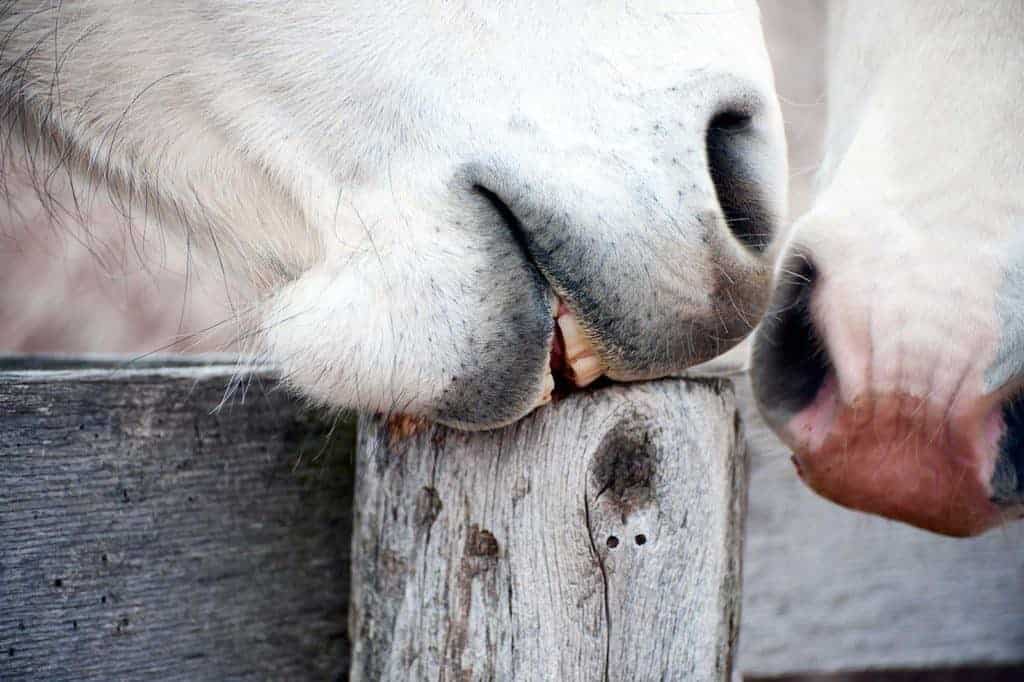
Our equine nutrition expert offers advice to keep horses from chewing on barn wood and fence posts.

Fescue toxicosis can cause pregnancy losses and reduced reproductive efficiency in mares. Learn more in this visual guide.

Warm, wet winter weather could lead to higher ergovaline concentrations in pastures, putting broodmares at risk for fescue toxicosis.
Tractors, breeches, and horse-themed jewelry might make up your wish list. But what would your horse ask Santa for?
Our nutritionist offers advice on feeding foals both before and after they’re weaned from their dams.

Here are a few common myths about horse hay, how these myths came to be accepted and, finally, the truth.

A dappled coat might be a sign of optimum equine health and nutrition, but the reality is more complicated. One equine nutritionist offers advice on bringing out the bloom in your horse’s coat.

Buttercups can cause mouth pain and blisters, drooling, oral and gastric ulcers, colic, and diarrhea in horses that eat them.

British researchers watched horses feeding in groups to find out if dominance is linked to weight gain. What they found might surprise you.

Dr. Laurie Lawrence of the University of Kentucky describes recent equine nutrition research from her lab, from deciphering forage composition to monitoring obesity. She also shares common misconceptions about feeding horses.
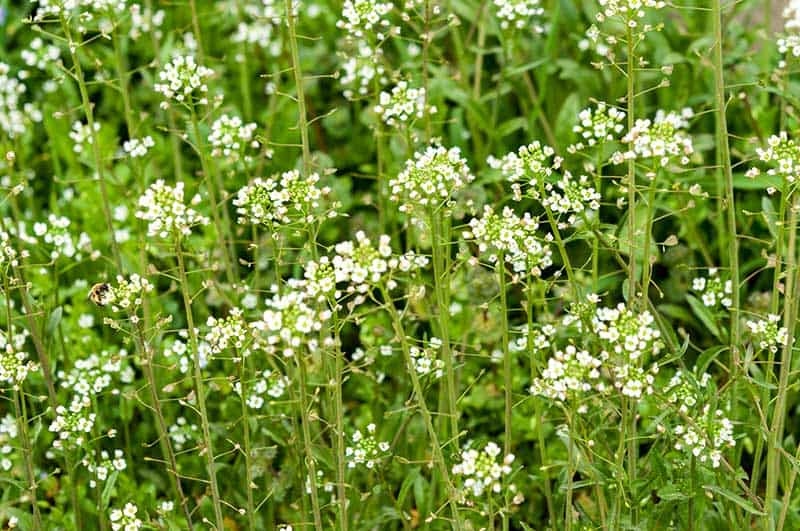
From winter and summer annuals to perennials and biennials, learn how to prevent and manage pasture weeds.

Blending at least 15% chaff with a horse’s feed can increase consumption times and reduce health risks such as colic and choke.

Horse owners are rightfully concerned about their horses’ lung health after wildfire smoke exposure. But can the smoke and ash also affect their pastures and forage?

Before you bring a horse home, there’s a host of things to prepare and much to consider. Our sources share their recommendations for owners making the transition to at-home horse care.

Copper is involved energy production, iron metabolism, connective tissue formation, central nervous system function, and melanin production. Is your horse getting enough? If you only feed forage, probably not.