A Look at Pony Club’s Feeding Rules
Our nutrition expert, who’s also a USPC regional supervisor, shares the basic nutrition rules every Pony Clubber learns.

Our nutrition expert, who’s also a USPC regional supervisor, shares the basic nutrition rules every Pony Clubber learns.

Washington State University vets say Inland Northwest owners should watch horses carefully as temperatures rise.

Of the 250 respondents, 110 (44%) said their biggest challenge in the summer is keeping horses cool in extreme heat.
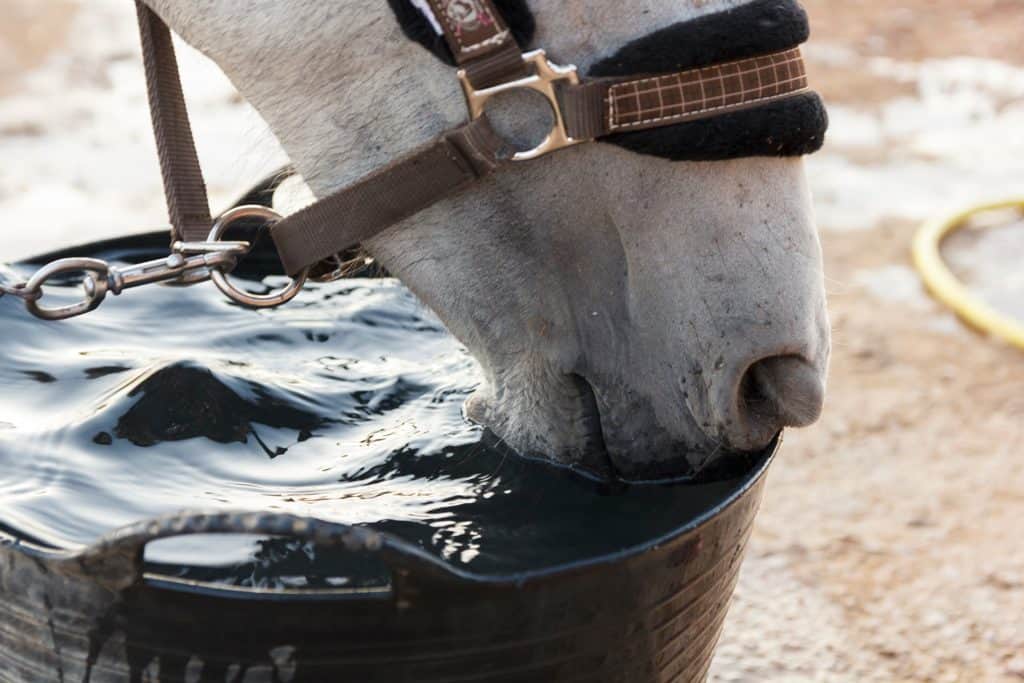
Find out why some horses won’t consume water away from home and learn how to keep him hydrated.
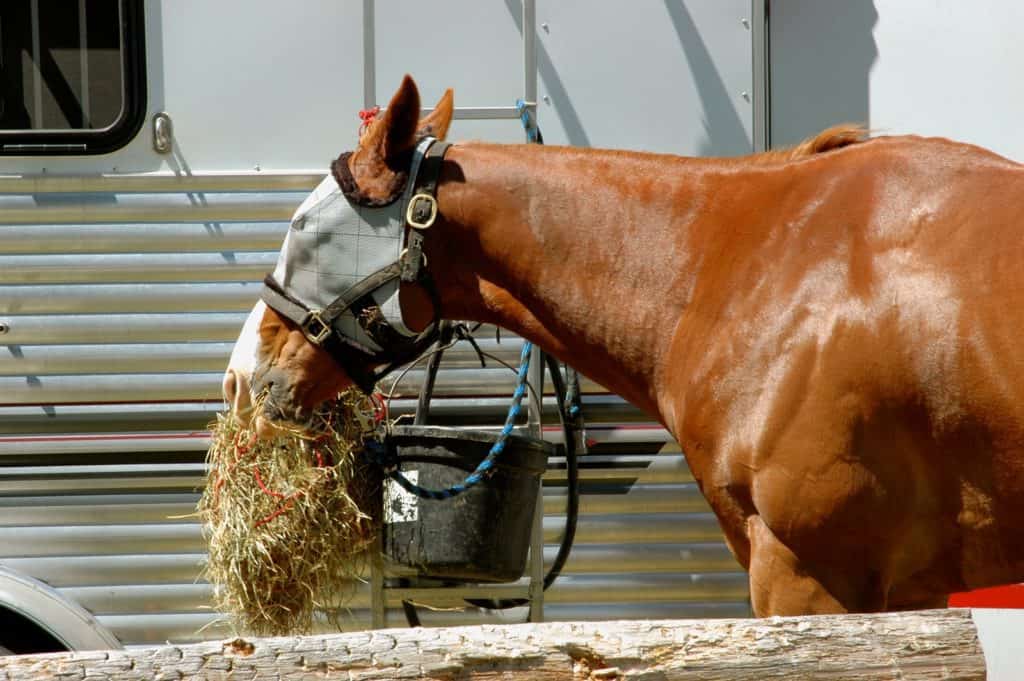
Travel stress can lead to gastric ulcers and colic. Use these strategies to help keep your horse healthy away from home.

Find out the most important things to consider when caring for horses in extreme heat.

Horses are more prone to digestive upset than other domestic animals because of how their GI tract functions.
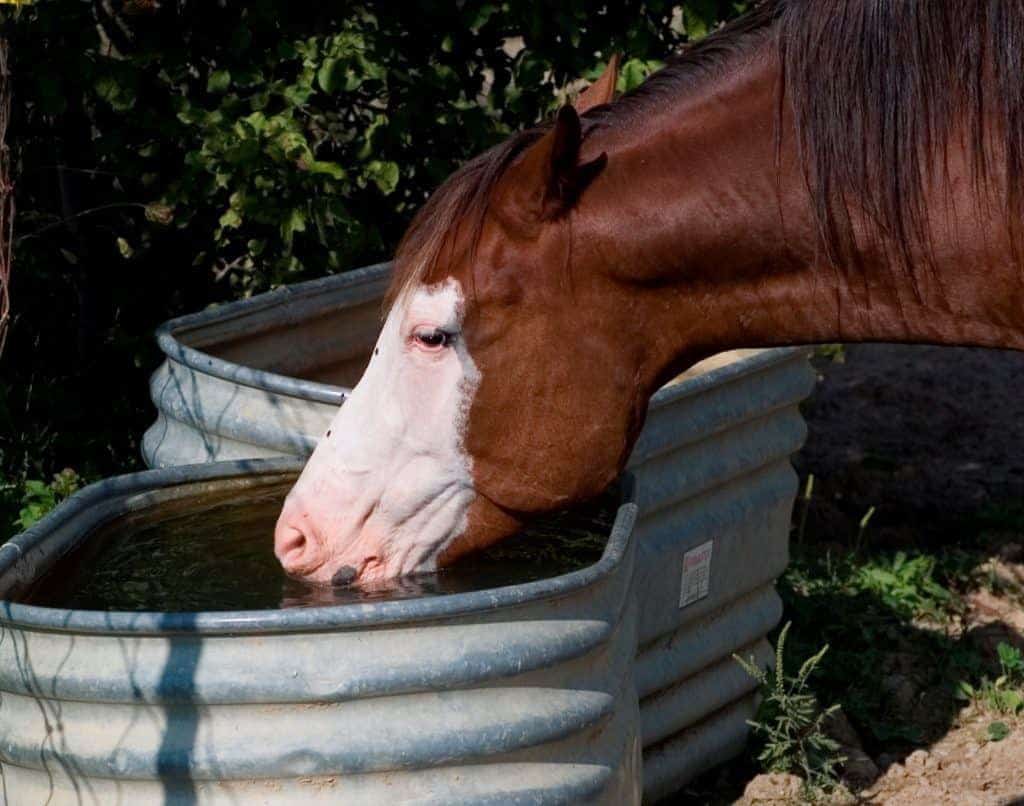
Our nutrition expert offers tips for keeping algal blooms to a minimum in your horse’s water trough this summer.

Our staff and sources offer ways you can save time during feeding time.

Enteral and/or intravenous fluid administration can be a crucial part of supporting sick foals and horses.
Allow exercised horses to eat and drink after cooling down to restore lost water and energy, researchers say.

In some areas, water sources can contain substantial amounts of Mn, which can affect dietary needs.

Age is a number, not a disease, said Dr. Megan Shepherd. Remember this when tailoring a diet for your older horse.

Of the 556 respondents, 190 (34%) said their biggest concern is keeping horses’ water sources from freezing.

Many horses are well-equipped to live outdoors and thrive, provided certain provisions are met. Here’s what to remember.

Horses are at risk for impaction colic if they eat substantial amounts of dry matter without drinking enough water.