Cold Weather Horse Colic
With cold weather comes complicating factors that could increase horses’ colic risk.

With cold weather comes complicating factors that could increase horses’ colic risk.

Three equine professionals offer tips for preparing your animals, facilities, and yourself for the deep freeze ahead.
Learn how rising temperatures and extreme weather events are affecting horse keeping.
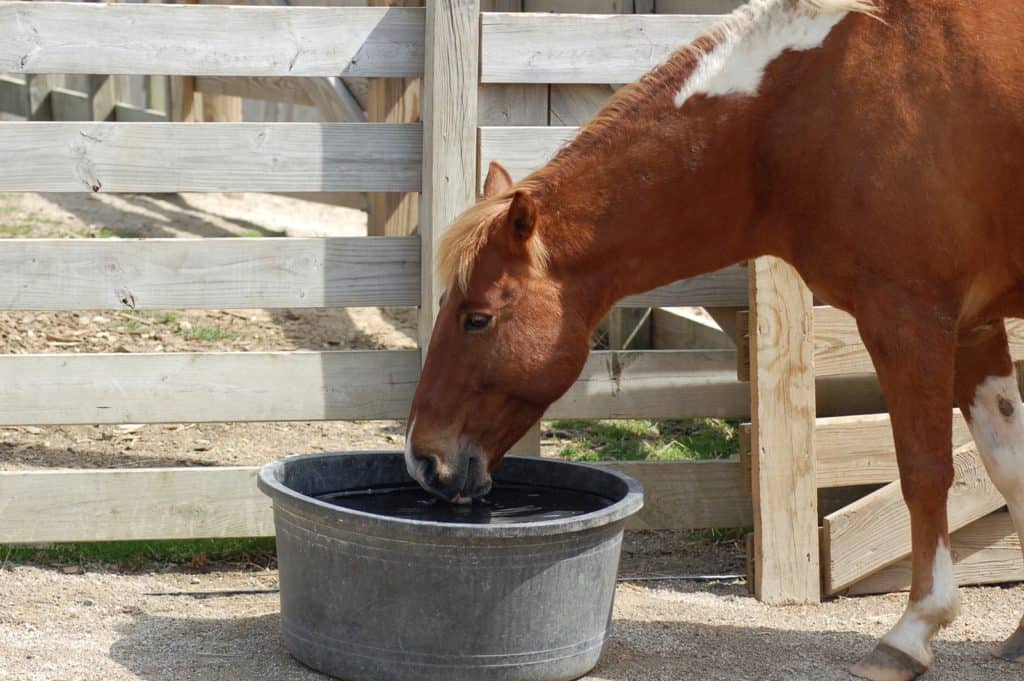
Of the 1,413 respondents, 936 (66%) said their horses get water from a trough or bucket that they fill manually.

Performance horses have special nutritional needs. Here are some tips on how to get the most out of your athlete’s diet.
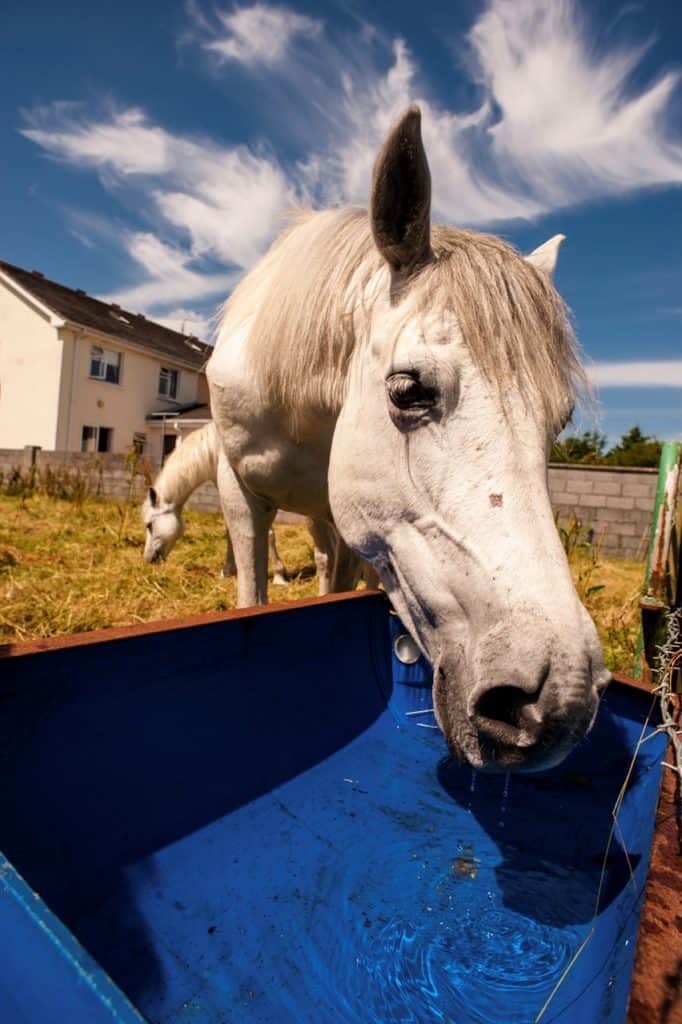
A lack of water in your horse’s diet can have serious consequences. Here’s what to remember.
Researchers will again be studying horses’ hydration status and how it relates to ride completion or noncompletion.

Janet Johnston, DVM, Dipl. ACVIM, ACVS, shares 10 tips to keep horses comfy and safe in the summer heat.

Take a look at some commonly fed supplements and the theories behind their use.
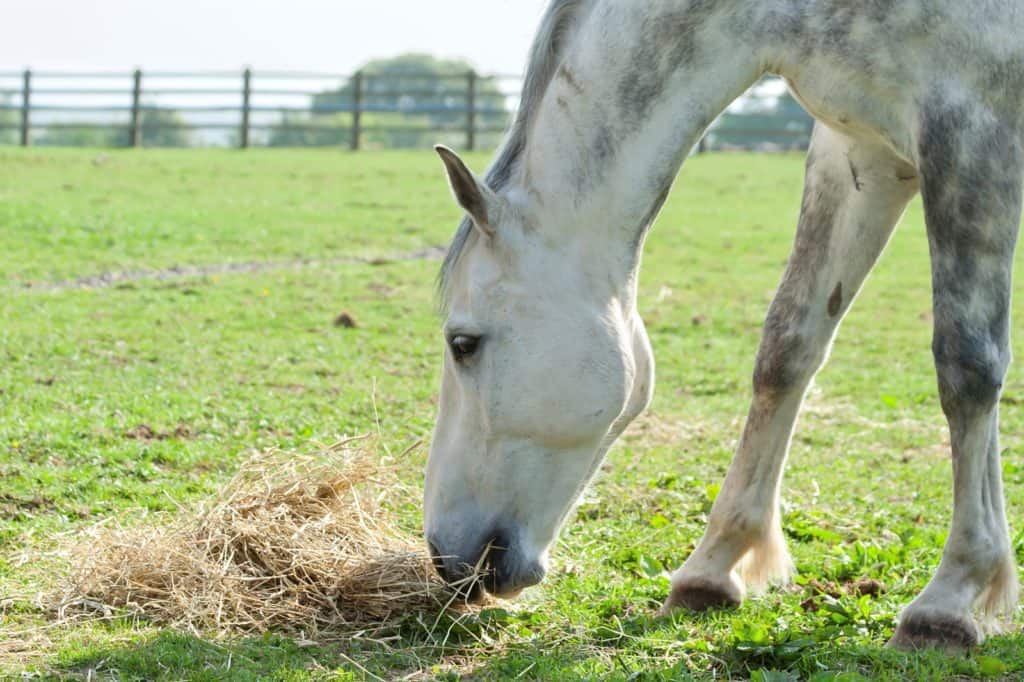
These micronutrients found in forage, feeds, and supplements help support the athletic horse’s health.
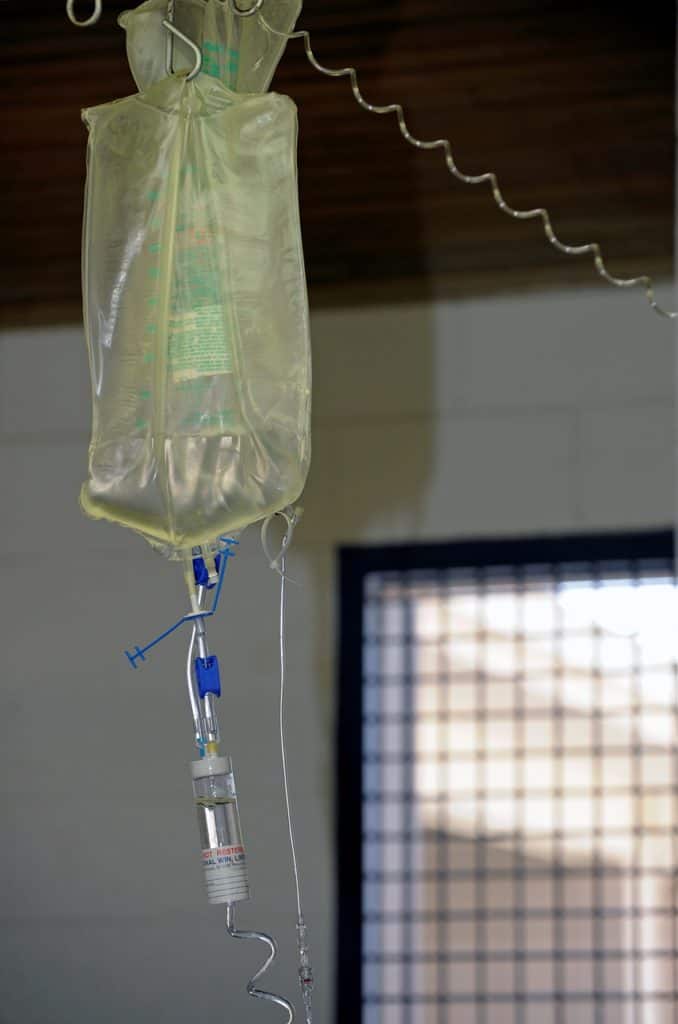
Researchers found that many horses recovering from colic surgery probably don’t require as much water as once thought.

No doubt about it, horse ownership is a big responsibility. Here’s a look at the basics of what every horse needs.
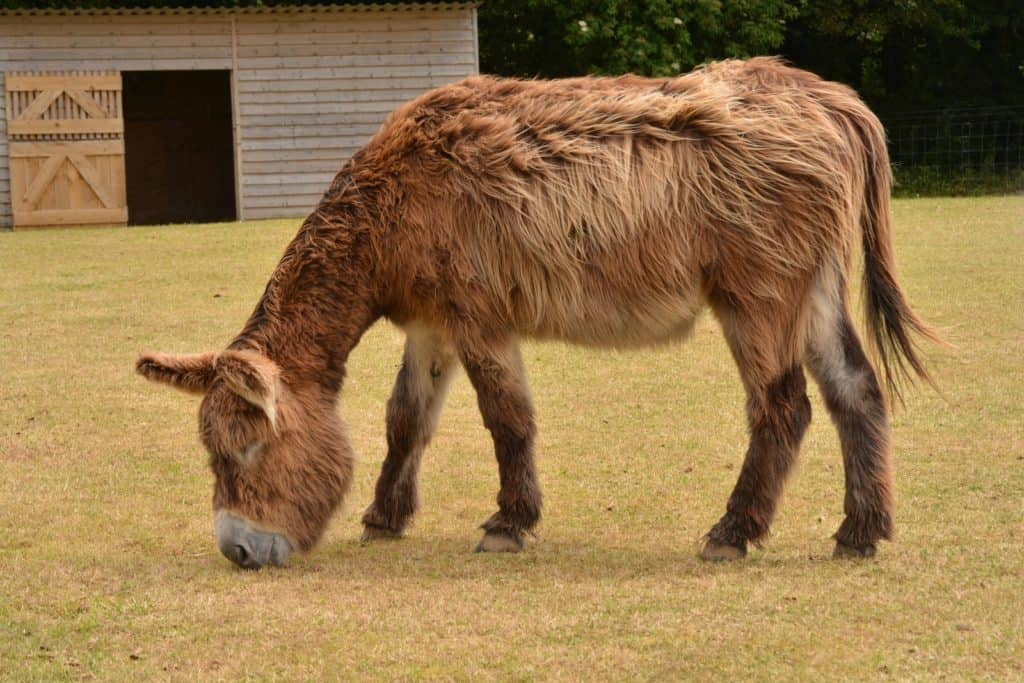
Donkeys aren’t horses, and nowhere is that more apparent than in their feed needs. Find out what your donkey should eat.

From 2002 to 2014, researchers identified a fatality rate of 0.32 per 1,000 starts in endurance horses.

Here are six important tips to help owners keep horses healthy and safe during the cold days of winter.

Take steps to help ensure your horse has everything he needs to stay healthy and happy when the weather changes.