High-Energy Horse Feeds
A performance horse’s diet must supply all the energy to remain at his best. But achieving that can be easier said than done. Here’s what to remember.

A performance horse’s diet must supply all the energy to remain at his best. But achieving that can be easier said than done. Here’s what to remember.

From infectious disease to microbial imbalance in the gut, causes of chronic diarrhea in horses run the gamut. And, veterinarians agree, finding a solution should be a methodical trial-and-error process.
Scientists are working to decide whether to update the National Research Council’s Nutrient Requirements for Horses and, if they go ahead with a revision, you might be able to help. Here’s how.

Are your horses getting the nutrition they need? Find out during Equine Nutrition Awareness Month, brought to you by The Horse and ADM Animal Nutrition.

A reader’s first-cutting hay brought in right from the field feels a bit damp. Our nutritionist explains why she should be cautious and how to tell if the forage is safe to feed her horses.

Get tips and information on horse farm water-quality issues, creating a water and soil conservation and nutrient management plan, and accessing resources available to help landowners comply with agricultural water quality acts.
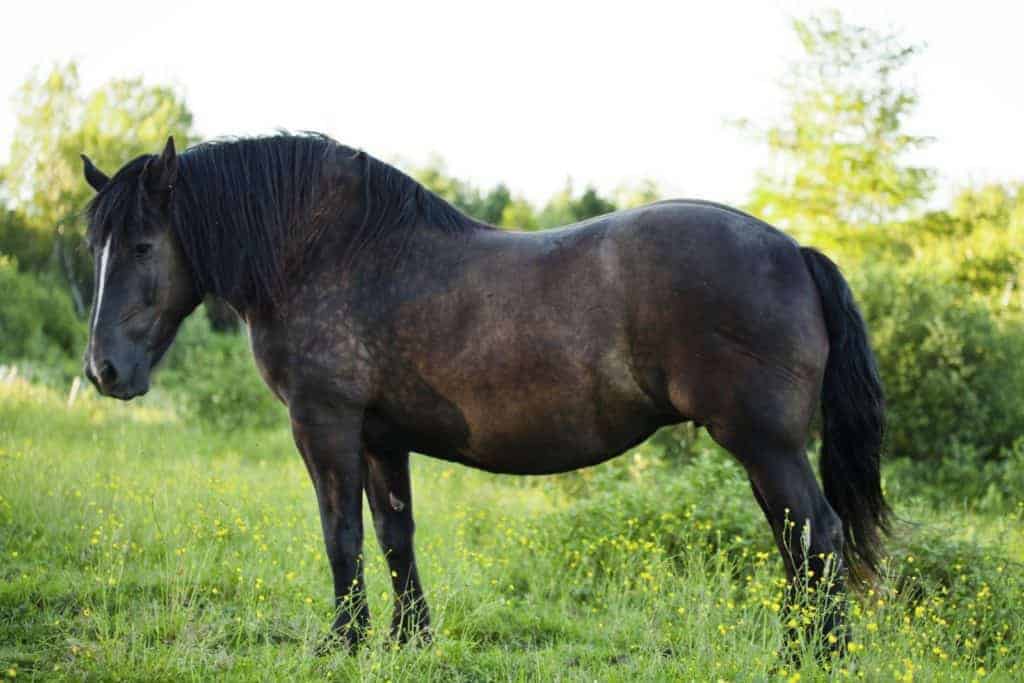
Studies suggest that more than half of certain horse populations in the U.K. are overweight or obese. As such, BEVA urges owners to act now to reduce the risk of their horses suffering weight-related health and welfare risks come spring.

Some horses that consume monensin eventually recover—a few even return to work—but it hasn’t been clear how toxicity impacted their hearts and subsequent athletic performance. Here’s what researchers learned.

Weanlings should grow steadily and moderately as rapid weight gain could put them at risk for developmental orthopedic diseases. Three experts share their tips for achieving appropriate growth via nutrition.

Researchers found that, in a pony with nutritional secondary hyperparathyroidism (NSH), which causes bone to deform as it loses calcium, a bisphosphonate combined with a balanced diet seemed to alleviate clinical signs of disease.

Commentaries on cleaning feed buckets, botulism, beet pulp, hay, and more were popular in 2018.

When it comes to feeding your horses, don’t make the same mistakes you’ve made in the past in the new year.

Knowing elimination risk factors can help veterinarians, riders, and trainers make informed decisions to safeguard endurance horse welfare, researchers say.
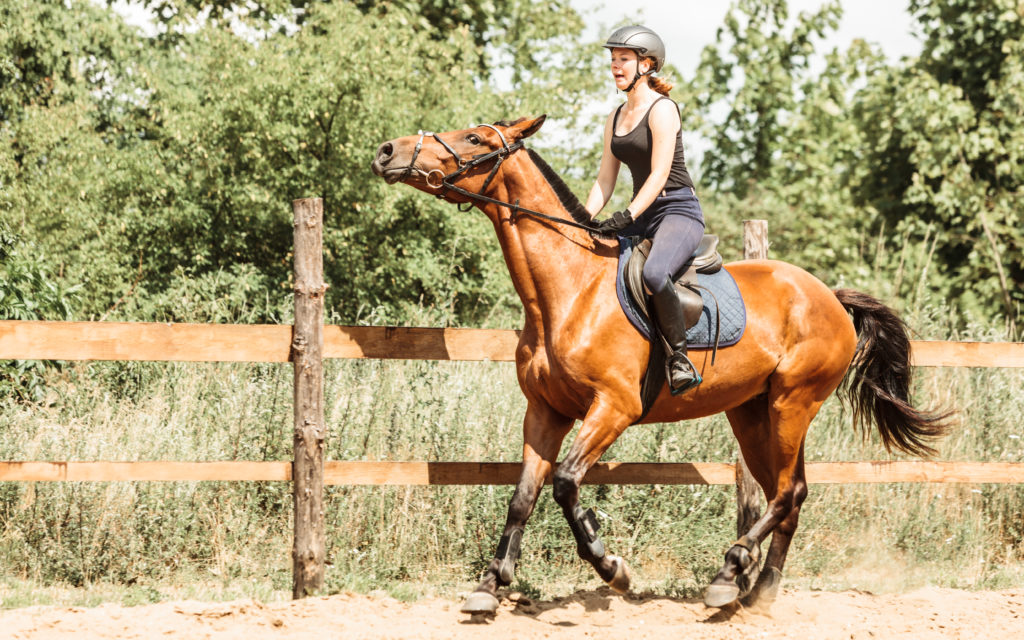
While diet can indeed contribute to a horse being energetic, it’s not the only cause. Our nutritionist shares her thoughts.

Researchers know horse body weight, BCS, and body fat percentage appear to be correlated with blood concentrations of PGE2—a joint damage marker.
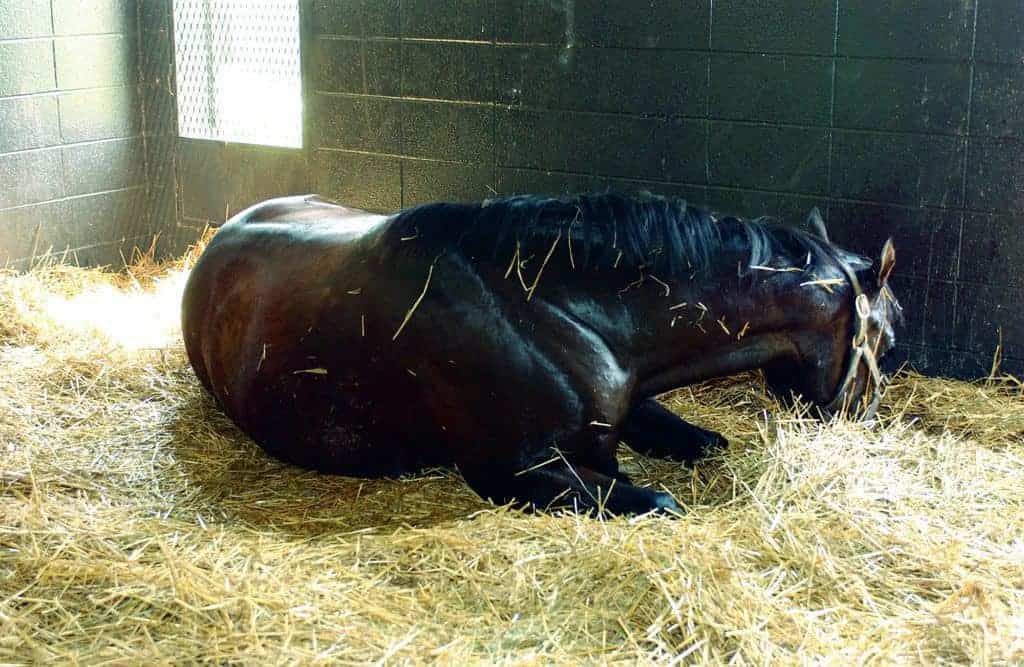
Carolyn Arnold, DVM, Dipl. ACVS, of Texas A&M University offers a better understanding of the gut microbiome’s role in colic and colitis.