Cargill Expands Southern States Horse, Livestock Feed Recall
Cargill is voluntarily expanding its livestock and horse feed recall due to elevated aflatoxin levels. The original recall was initiated May 6.

Cargill is voluntarily expanding its livestock and horse feed recall due to elevated aflatoxin levels. The original recall was initiated May 6.

What are aflatoxins, how do they end up in livestock feed, and are they dangerous to horses? Our equine nutritionist explains.
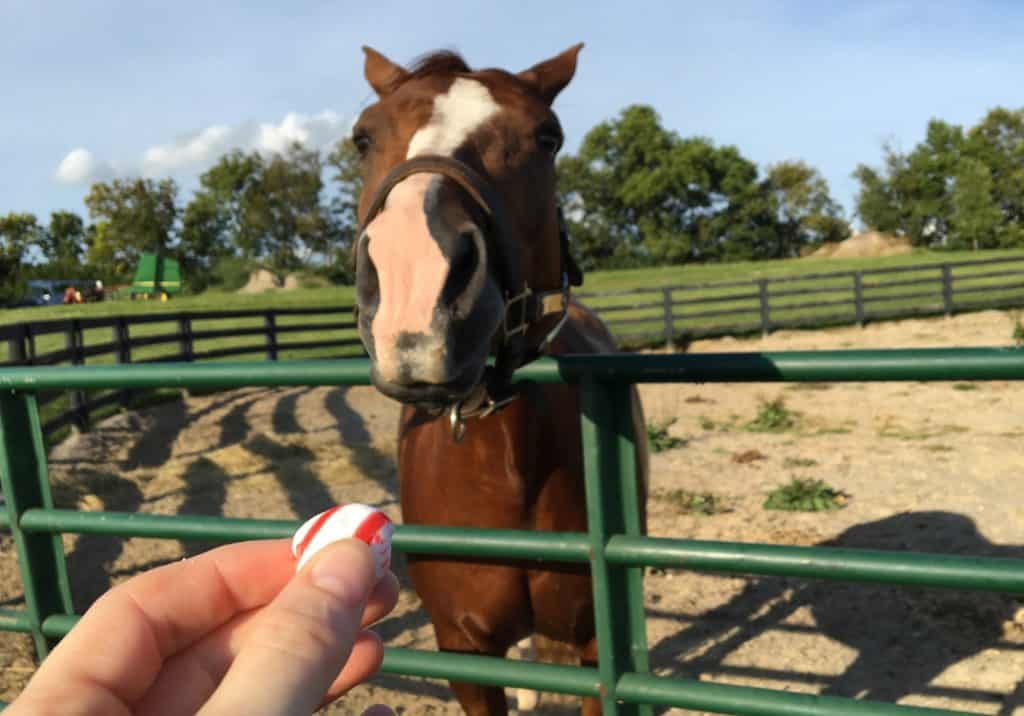
Will giving my horse peppermints offset the hard work we’re doing to help her lose weight?
Cargill is voluntarily recalling Southern States Triple 10 horse feed and other select livestock feeds due to elevated aflatoxin levels.

Apples are a token equine treat, but could they be toxic? While it’s unlikely, our nutritionist still says to use caution when feeding fruits to horses.

Dr. Clair Thunes shares information about how blood tests can help ensure your horse is getting the nutrition he needs.

Sweat contains electrolytes (including sodium and chloride), so heavily exercising horses have significantly higher dietary requirements for both minerals than their idle counterparts. Here’s what to know.

Moving north for the summer or south for the winter with horses can make feeding them a consistent diet challenging. An equine nutritionist offers tips to ease the transition.

Experts share information about the steps needed to identify PSSM, how to distinguish between the types, and recommendations for managing affected horses.

Does your horse’s drinking water have high iron levels? If so, he might be at risk for chronic illness or even death, researchers found.
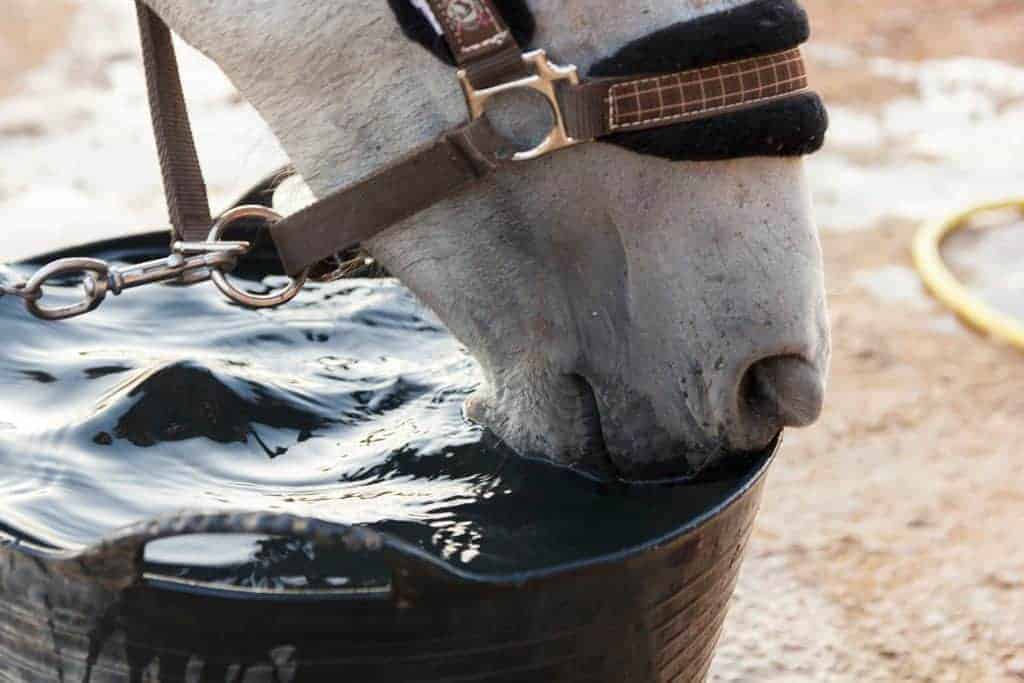
If a water utility issues a boil-water notice for humans, are horses at risk for disease if they drink unboiled water? Dr. Peter Timoney shares his thoughts.

Orphan foals raised with a correct balance of nutrients and monitored for growth, food consumption, and weight gain can be every bit as tall, strong, and athletic as foals raised by their dams.

Riding before your horse gets fed could put him at risk for gastric ulcers. Find out why.
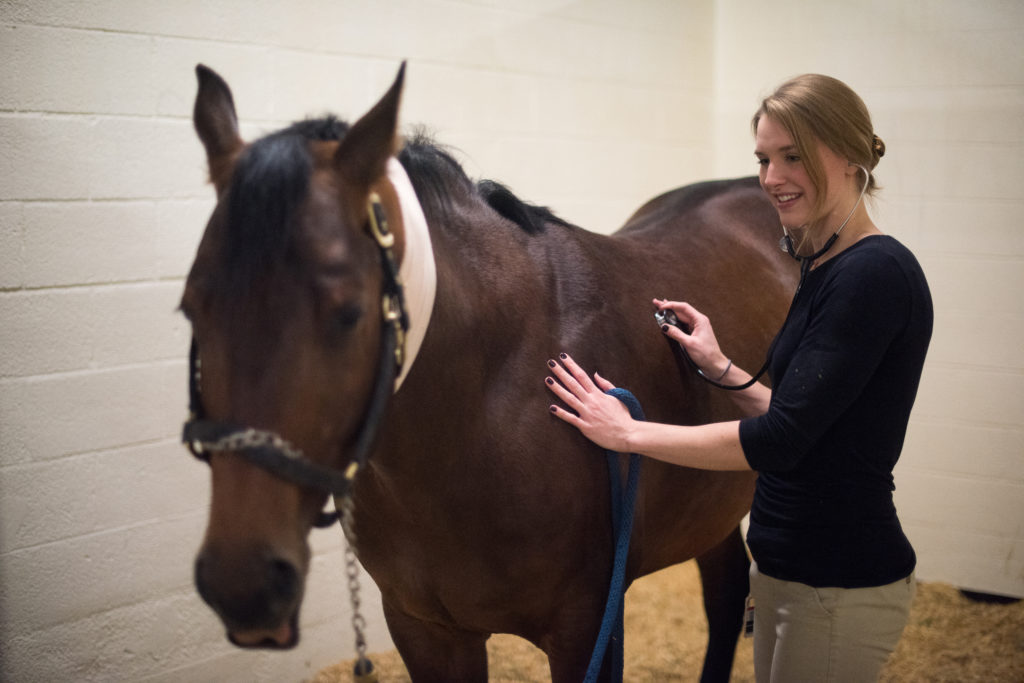
Researchers found that firocoxib and flunixin meglumine provided similar levels of pain control after colic surgery, but firocoxib resulted in reduced evidence of endotoxemia at 48 hours post-surgery.

Measuring the biomarker creatine kinase in abdominal fluid can help distinguish horses with ischemic (lacking blood flow) intestine due to a strangulating lesion—and, thus, require surgery—from those without.

While physicians have used capsule endoscopy in humans for more than a decade, it’s only recently become commercially available on the veterinary market for dogs and shows promise for use in horses.