Omega-3 Fatty Acids
Not all fats or fatty acids are created equal; some are more beneficial than others for horses.

Not all fats or fatty acids are created equal; some are more beneficial than others for horses.
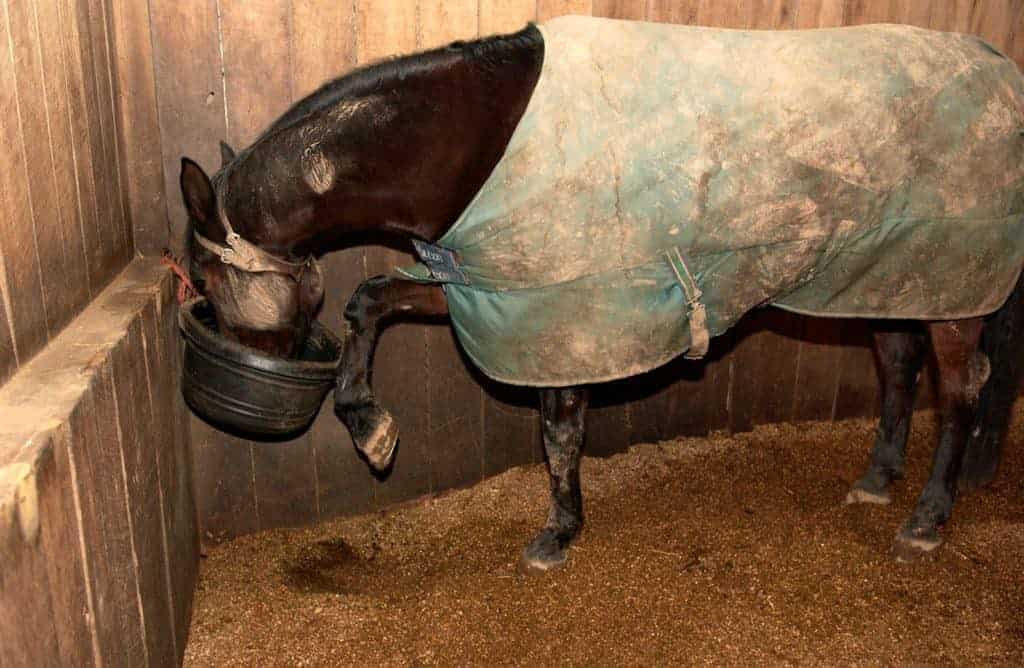
Do you have any suggestions for stopping a horse from pawing while he is eating his grain?

How do you keep your horses’ water in liquid form during the winter? Readers share their tips for keeping horses’ water thawed during freezing temperatures.
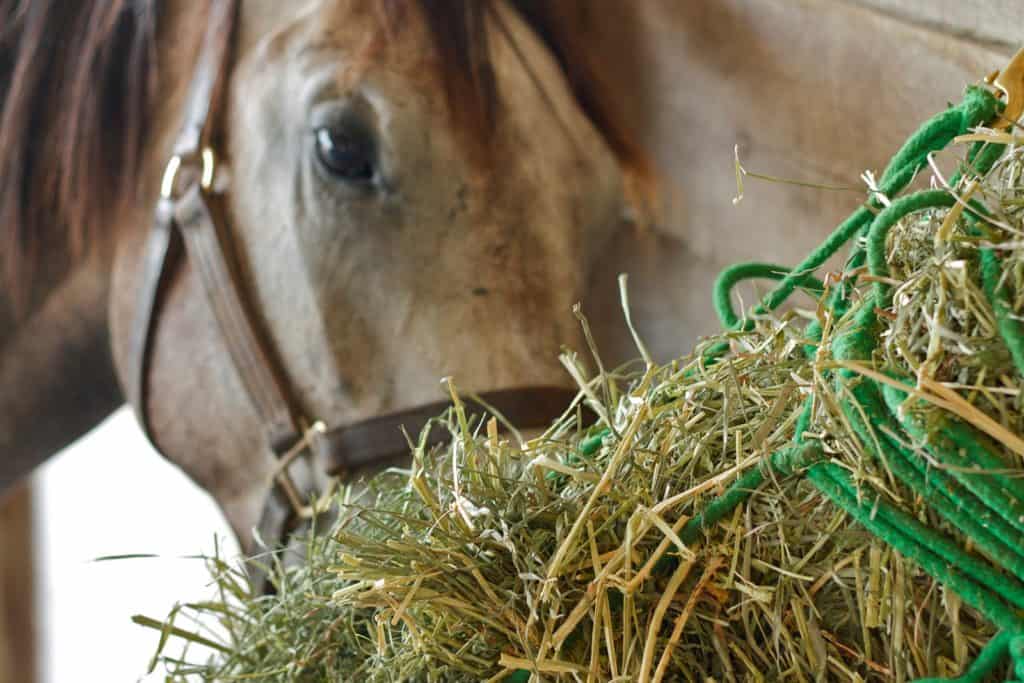
Soaking hay provides owners with the ability to alter some physical characteristics as well as the nutrient content of their hay if purchasing the ideal hay is not a feasible option.

Working with horses can be very rewarding, but before deciding your level of involvement, it is important to plan a realistic long-term budget for time and finances.

Of the 991 respondents, 26% said they’d reduce their horses’ turnout time to reduce spring pasture intake.

Does feeding a large amount of hay to a group of horses on winter pasture affect their digestion and health?
Horse owners from across the country share their winter horse care tips.

Carol Clark, DVM, Dipl. ACVIM, shares her picks for the top equine medicine studies of 2013.

Understanding the horse’s digestion process can help you better manage factors that could cause colic.
The cobalt was presumably used as a performance-enhancing substance, a statement said.

Get tips from a veterinarian on keeping horses healthy and safe during the cold days of winter.
Avoid over or under feeding by always weighing hay (and grain). Feeding by eye or the scoop is not accurate and wastes feed and money.

Presentation topics will include body condition scoring, feeding Cushingoid horses, hay, and more.

With freezing temperatures comes the need for extra care and attention for horses and other equids.