Give Horses a Week To Learn To Use Automated Feeding Stations
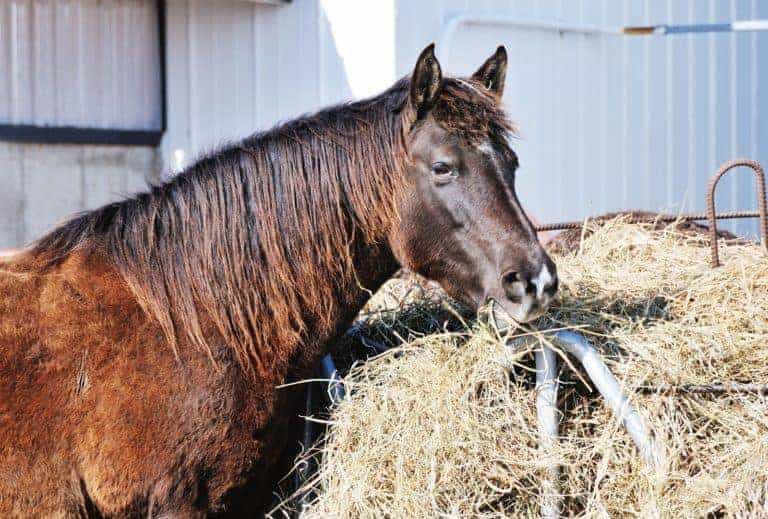
Swedish researchers observed 22 geldings as they learned to navigate automatic feeding stations equipped with automatic doors, food dispensers, and microchip readers.

Swedish researchers observed 22 geldings as they learned to navigate automatic feeding stations equipped with automatic doors, food dispensers, and microchip readers.

Dr. Andrew van Eps suggests addressing obesity now to prevent laminitis, shares new insight into supporting limb laminitis, and offers advice about icing feet in acute cases.

Veterinarians could soon determine which horses are at risk of certain neurologic diseases through a simple urine test that reveals how a horse breaks down vitamin E.

Pituitary pars intermedia dysfunction (PPID, or equine Cushing’s disease) is caused by an enlargement of the pituitary gland’s middle lobe (the pars intermedia), which results in an overproduction of hormones that regulate bodily functions. Learn more about this disease in our slideshow.

Researchers found the gastric ulcer drug might affect microbiomes less in horses than in humans and dogs.

Some calming supplements for horses contain valerian, an herb thought to interact with brain chemicals. Here’s what science says—or doesn’t say—about valerian for calming horses.

A dappled coat might be a sign of optimum equine health and nutrition, but the reality is more complicated. One equine nutritionist offers advice on bringing out the bloom in your horse’s coat.

Buttercups can cause mouth pain and blisters, drooling, oral and gastric ulcers, colic, and diarrhea in horses that eat them.

When feeding flaxseed to your horses, knowing the difference between whole seeds, ground seeds, and meal is important. Here’s why.

Compared to soaking or leaving hay dry, steaming conserves beneficial microorganisms found while targeting harmful bacteria and respiratory allergens.

Colitis is inflammation of the large or small colon that can lead to diarrhea, proliferation of harmful bacteria, and even death in severe cases.

Horses might chew trees for a variety of reasons, such as boredom or nutritional deficiency. Learn about the benefits and risks, and how to protect your horses and your trees.
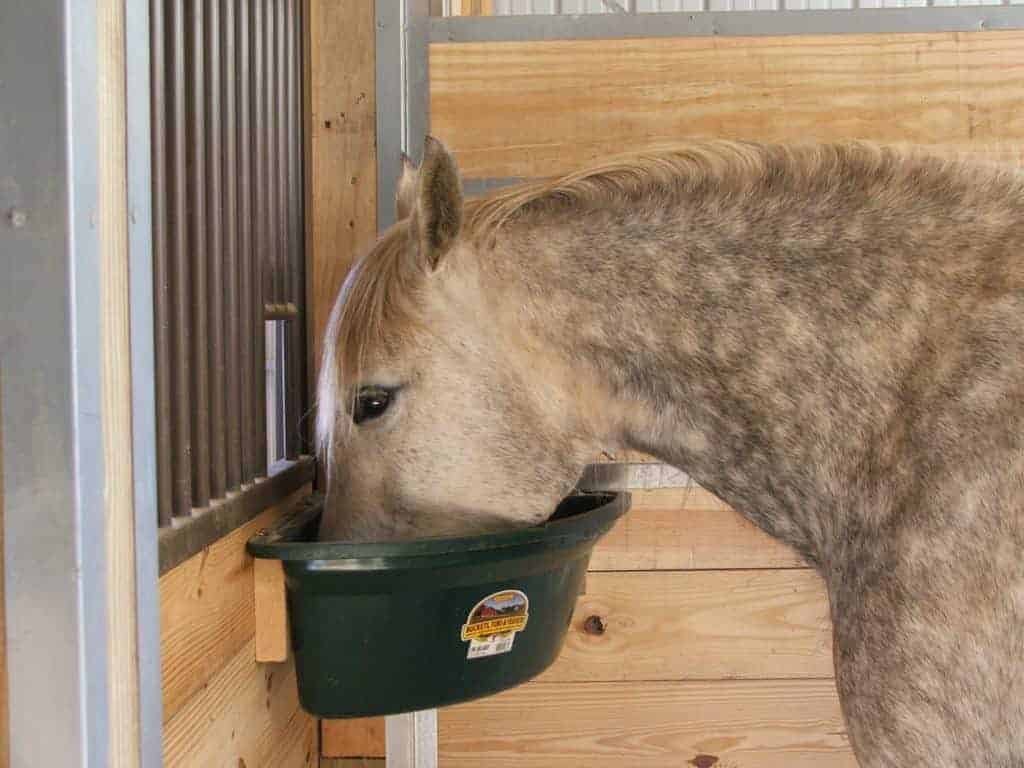
Learn about feed allergies in horses—including allergy testing—and what you can do to make sure your allergic horse gets the nutrition he needs.

Researchers compared foals born and raised in “traditional” breeding programs that included stabling with those in a free-roaming herd.

A study looking at fasting horses might help scientists better interpret microbiota test results in colicking horses.

Auburn researchers seek horse owners to complete their survey on EMS and PPID.