Smell Can Affect Horses’ Feeding Preferences
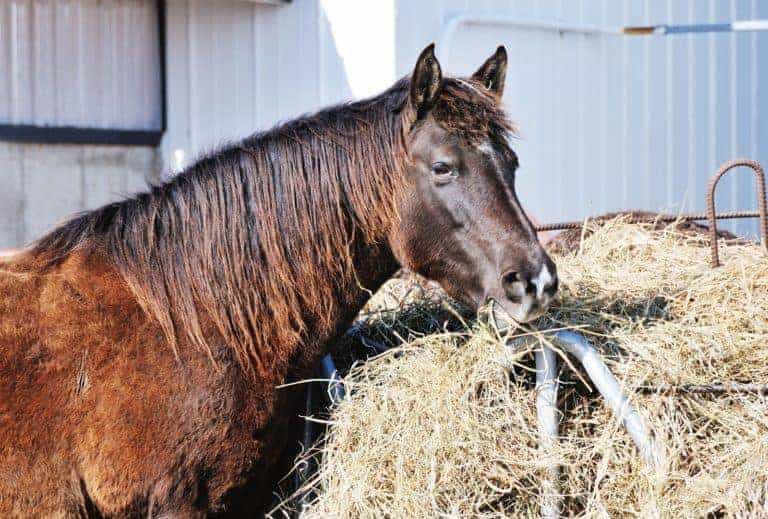
Using anise-scented oats, researchers found a significant relationship between olfactory stimuli and feeding preference in horses.

Using anise-scented oats, researchers found a significant relationship between olfactory stimuli and feeding preference in horses.

Hormone imbalances wreak havoc on horses and their hooves. Here’s advice to help manage equine metabolic syndrome.

Simply adding concentrates might not solve all your senior horse’s nutritional and performance issues.

As you consider ways you can help your foal—and his dam—through the weaning process, examine proven methods based on research findings to formulate a plan.

A well-planned feeding program helps a foal’s caretakers manage growth rate effectively. Learn about common foal-feeding challenges and solutions, as well as how to develop a well-balanced feeding program for young, growing horses.

Dr. Bill Vandergrift talks about leaky gut syndrome in horses during the 2021 EquiSummit, presented by Kemin Equine.

Our equine nutritionist and physiology expert offers advice on managing horses that have stopped sweating.

Here are a few common myths about horse hay, how these myths came to be accepted and, finally, the truth.

Learn about four trendy nutritional supplements in the equine industry, the rationale for their administration, and scientific data supporting their use.

Learn about key anatomic features of the equine digestive tract in this free fact sheet. Sponsored by Vitalize.

Beet pulp can go rancid during warm weather. Should you feed it to your horse if it smells like vinegar?

Get up-to-date, research-based information about early diagnosis and how to help care for your horse with Cushing’s disease.

Electrolytes play an important role in hydration and cellular function in horses. Learn more about electrolytes, when you might need to supplement them, and what research has shown about how they affect performance horses.

Veterinarians from UC Davis offer 10 important tips to prevent heat-related problems in horses.

Horse manure is rich not only in energy and soil-building nutrients, but also information about your horse’s health and well-being. In this article, veterinarians offer guidelines to help you better “read” your horse’s poop.

Donkeys can thrive off straw and other low-quality forage, unlike most horses and ponies, and now we have a better idea why.