Taking Care of Horses After the Storm
Three practitioners share advice on how to best care for your horses following a disaster.

Three practitioners share advice on how to best care for your horses following a disaster.
Researchers investigated the effects of aloe vera and grapeseed extract on horses’ insulinemic responses to various feeds.

Dr. Marty Adams shares his thoughts on the best joint supplement ingredients for performance horses.

Dr. Marty Adams talks about hay quality, impaction colic risk, and if Bermuda hay is appropriate for feeding horses.

Nutritionist Dr. Clair Thunes talks about the best ways to keep horses fueled and hydrated during competition.

Italian researchers found higher-placed haynets significantly shorten horses’ back muscles and change their jaw angles as they eat.

Find out how to keep you, your prone-to-worry horse, and those around him safe.

Behavior and performance changes that could be associated with gastric ulcers in horses should prompt further veterinary investigation.

Drs. Clair Thunes and Marty Adams outline what constitutes a performance horse and their unique dietary needs to support athletic training.

The trial might help answer questions about nutraceuticals’ effects on horse joint health.
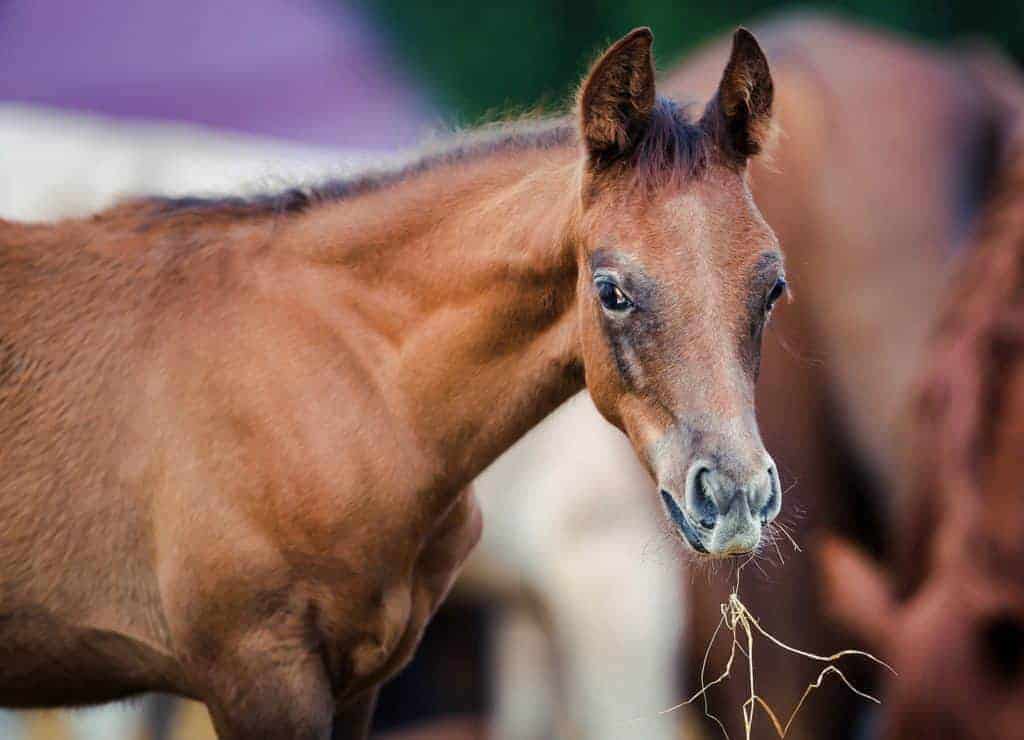
Our nutritionist offers advice on feeding foals both before and after they’re weaned from their dams.

Is your horse getting the nutrition he needs to reach his athletic potential? Are you looking to build his topline or increase his stamina? Equine nutritionists answer these questions and more.

Learn how your horse’s internal thermostat works in extreme heat and ways to keep him cool.
Targeted nutrition can sustain performance horses’ gut and cellular health during the stress of travel and competition.

Feeding horses in keeping with their nature and managing their stress can help support a healthy hindgut and microbiome.

Does your horse have gastric ulcers? Research suggests the odds are yes. Learn more about EGUS with educational content throughout August.