Feeding the Horse That Won’t Eat
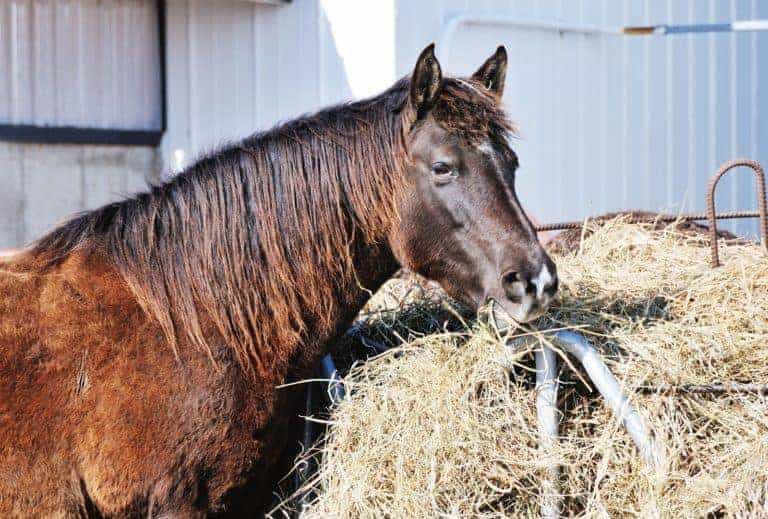
Is your horse a picky eater? Learn about reasons your horse might turn his nose up at his meals and what you can do about it.

Is your horse a picky eater? Learn about reasons your horse might turn his nose up at his meals and what you can do about it.

An equine nutritionist reviews what we know about the horse’s immune system and the potential to enhance disease resistance through diet.

Rats and mice spread disease and ruin horse feed. Learn how to reduce populations in your barn.

Follow these straightforward steps to help your horse lose weight and gain a competitive advantage.

An equine nutritionist explains the difference between international units (IU) and milligrams (mg) and how to make sure your horse is getting enough vitamin E.

Dr. Laurie Lawrence of the University of Kentucky describes recent equine nutrition research from her lab, from deciphering forage composition to monitoring obesity. She also shares common misconceptions about feeding horses.

Ditching dry hay in favor of cleaner forage options improved racehorse airway inflammation.

Does your horse need a dollop, dab, pinch, or peck? Learn to formulate a diet based on your horse’s age, body condition, and health status.

Scottish researchers found a half barley straw and half hay ration helped ponies lose weight.

Chokes are common equine emergencies with potentially serious consequences. Here’s what you need to know.

Learn about the clinical signs of colic and what to do if your horse experiences a bout.

Researchers say progressive changes in diets lead to healthier microbiomes and fewer digestive issues, such as diarrhea and colic.
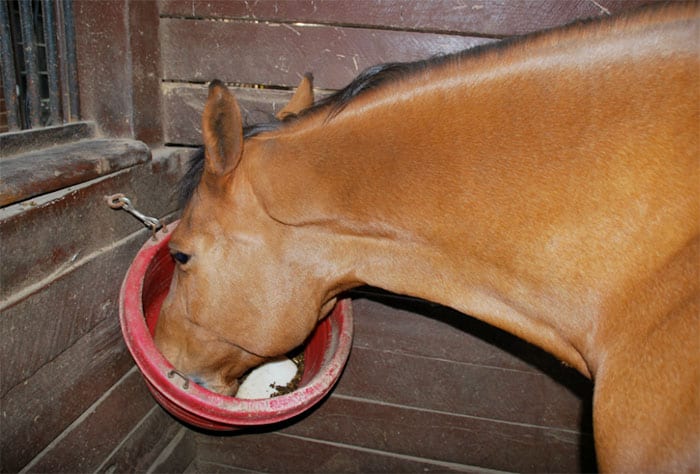
Showing, training, traveling, or even lifestyle changes can put your horse under stress that risks his health. The right nutritional choices can support his immune system, GI tract, and overall well-being. Learn how.

Researchers found blanketed horses during a Wisconsin winter ate 8% less free-choice hay than their unblanketed peers while maintaining similar body conditions.

Omega-3 fatty acids offer horses health benefits, but are fish sources okay for horses to eat?
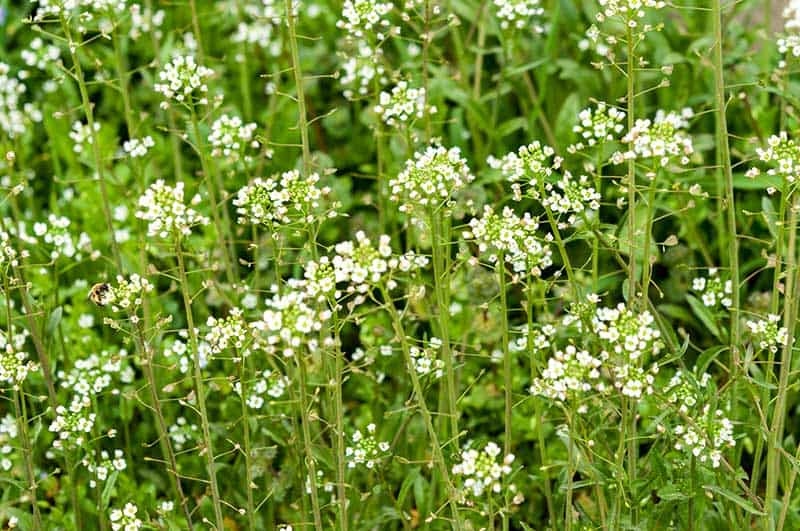
From winter and summer annuals to perennials and biennials, learn how to prevent and manage pasture weeds.