10 Equine Dentistry Resources on TheHorse.com
Brush up on your equine dental knowledge with these free resources.

Brush up on your equine dental knowledge with these free resources.

Blending at least 15% chaff with a horse’s feed can increase consumption times and reduce health risks such as colic and choke.

Are you confused about nutraceuticals in your horse’s diet? Learn more from our equine nutrition expert.
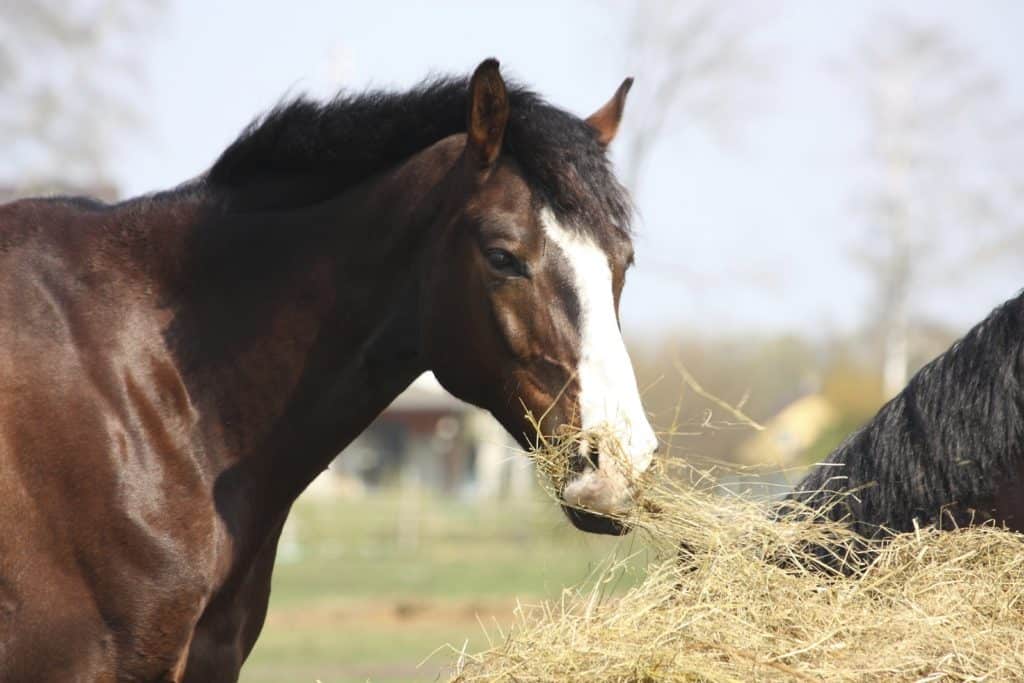
While nutritionists working with ruminants tend to focus on the nutrient content of feeds on a dry matter basis, in equine nutrition we mostly focus on the as-fed value of nutrients.

Learn about how rain during harvesting can affect hay quality and whether you should feed rained-on hay to your horses.

Their names might sound the same, but their molecular makeups are different. Are organic or inorganic forms of trace and macrominerals better for horses?

Vitiligo results in depigmentation of a horse’s skin and might be related to stress or a nutritional deficiency. Research into the condition is limited. Here’s what we know.

To ensure your horse stays hydrated, provide him with fresh, clean, clear water at appropriate drinking temperatures. Here’s how.

Study: Horses stalled on nonedible bedding ‘rebounded’ during the day, consuming their daytime rations faster with fewer pauses than horses living on straw.

Good nutrition and attention to GI health are the best ways to prevent leaky gut syndrome and heal horses with leaky guts.

If you live at northern latitudes, you might lack vitamin D. But what about your horse?

Scientists reviewed research on this painful disease that affects a horse’s teeth, gums, and bone.

Learn about your horse’s health, behavior, and personality as you acclimate him to a new home, diet, and herd.

Here’s a list of questions all horse owners should answer before their horses colic.

British researchers reviewed more than 150 equine microbiome studies. From colic to laminitis to pregnancy, here’s what they found.
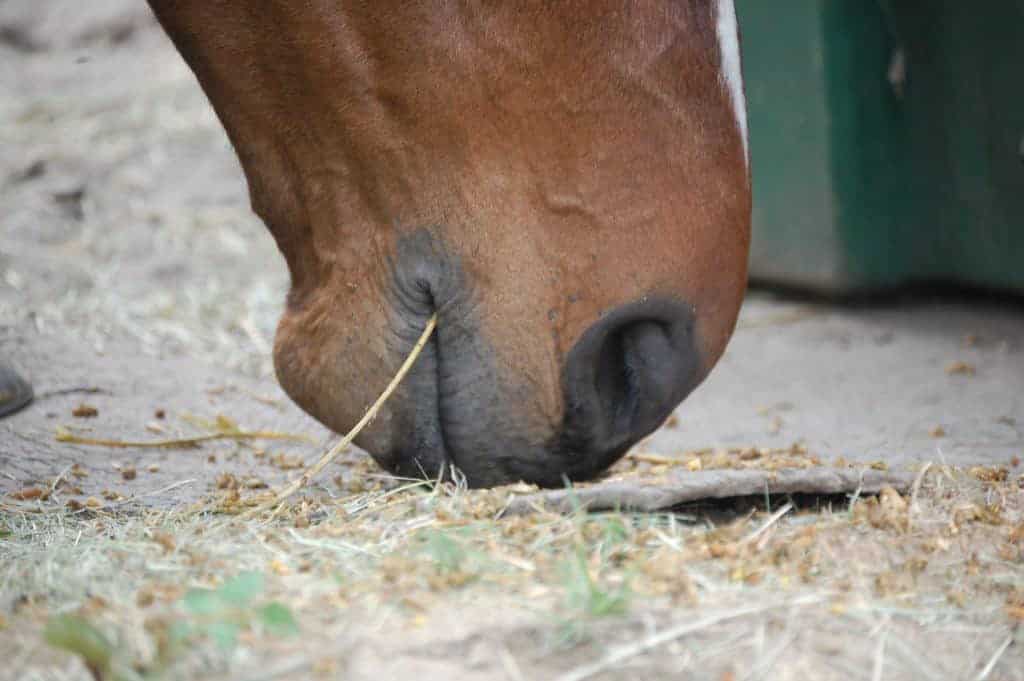
Dr. Thunes offers advice for a horse who isn’t chewing quite right.