A Quick Guide to Micronutrients for Horses
Though they make up only a tiny part of horses’ diets, micronutrients play big roles in major physiological functions, ranging from bone and muscle performance to digestion to hormone signaling.

Though they make up only a tiny part of horses’ diets, micronutrients play big roles in major physiological functions, ranging from bone and muscle performance to digestion to hormone signaling.

Horse owners are rightfully concerned about their horses’ lung health after wildfire smoke exposure. But can the smoke and ash also affect their pastures and forage?

Vitamin E serves as one of the body’s most potent antioxidants, protecting various cells—including those of the immune system—from the harmful effects of free radicals.

Before you bring a horse home, there’s a host of things to prepare and much to consider. Our sources share their recommendations for owners making the transition to at-home horse care.

A picky 4-year-old OTTB in transition didn’t like to eat much until our digital managing editor tried feeding her Triple Crown Senior.

Human nutritionists encourage eating whole foods and avoiding processed ones. Does the same logic apply to our horses?
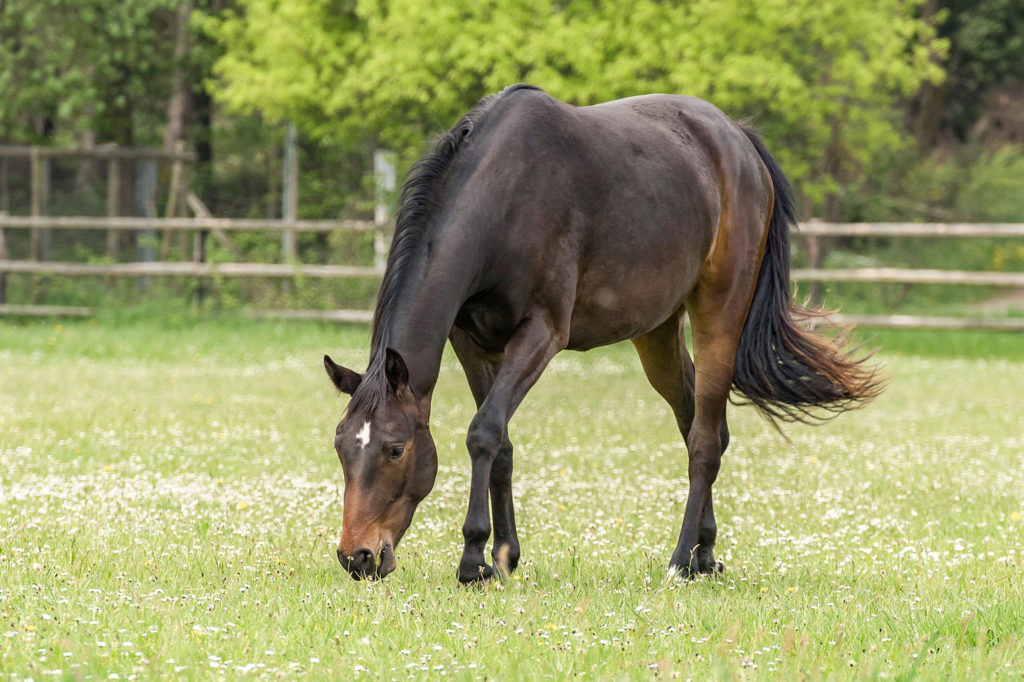
Learn about forage types and how to select the right one for your horse’s pasture.

These automatic feeders reduce chore time and ensure horses get measured, frequent meals. They are also backed by research.

Copper is involved energy production, iron metabolism, connective tissue formation, central nervous system function, and melanin production. Is your horse getting enough? If you only feed forage, probably not.
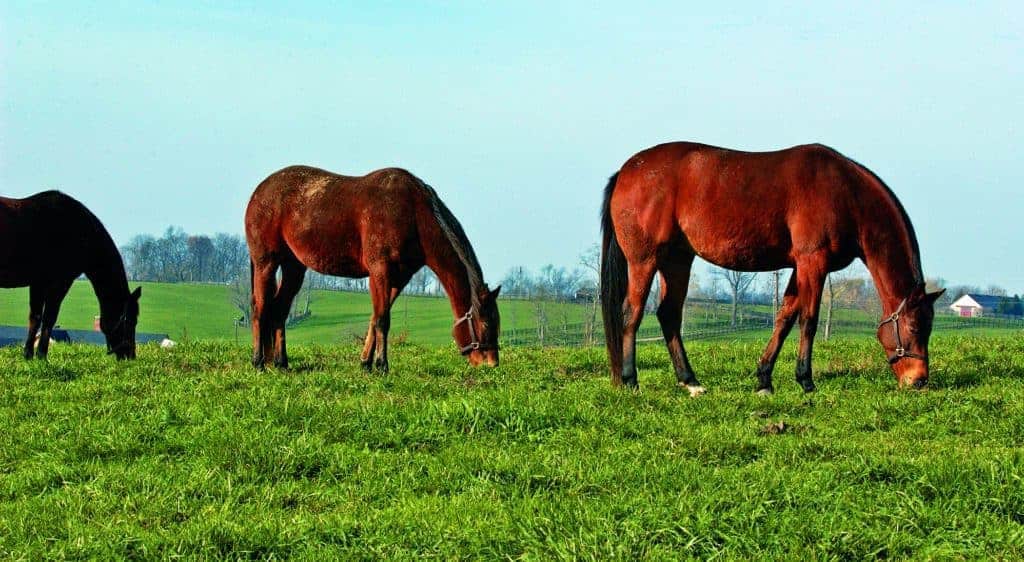
Mares in good body condition have a reservoir of stored fat that can be used during cold winter weather.

Gastric disease develops most commonly in the squamous region, when stomach acid splashes onto that vulnerable area of tissue. Why it develops in the glandular region—and how to prevent and treat it—is less clear. Five researchers discuss what we do know about equine glandular gastric disease.

Do you have a cinchy horse? Follow this step-by-step advice to modify his behavior.

Reduced performance, including a shorter stride length, is likely a consequence of pain caused by equine gastric ulcers.
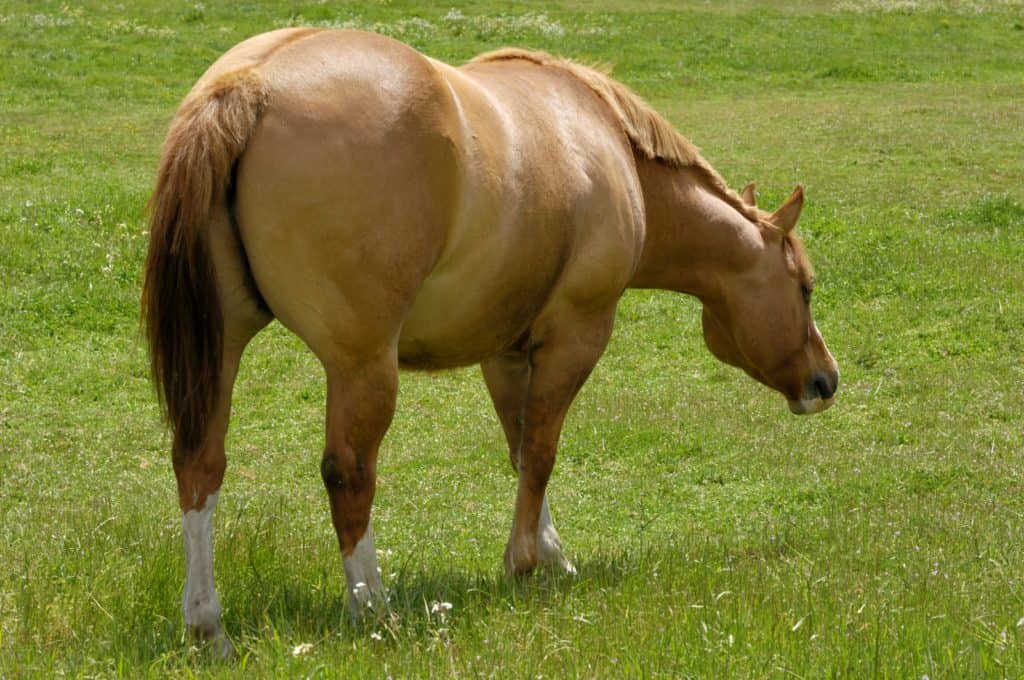
Learn how to help your overweight horse shed pounds in a safe and healthy way.

Non-steroidal anti-inflammatory drugs serve an important role in managing equine pain and inflammation, but sometimes they can do more harm than good.

What’s the best way to soak horses’ hay to reduce dust and sugar content?