7 Timely Forage Tips
As we move into fall, here’s a quick list of recommendations from the University of Kentucky to help manage pastures.

As we move into fall, here’s a quick list of recommendations from the University of Kentucky to help manage pastures.

Just six or seven months ago, Kentucky was dealing with overabundant rainfall and soaked pastures, but now things are close to bone dry. Kentucky needs rain, and fast.

Get advice about keeping senior horses’ joints comfortable from Dr. Bryan Waldridge, who treats retired champion racehorses at Old Friends, in Georgetown, Kentucky.

The Retired Racehorse Project offers three educational seminars on Friday, Oct. 4, hosted by the editors of The Horse: Your Guide to Equine Health Care.
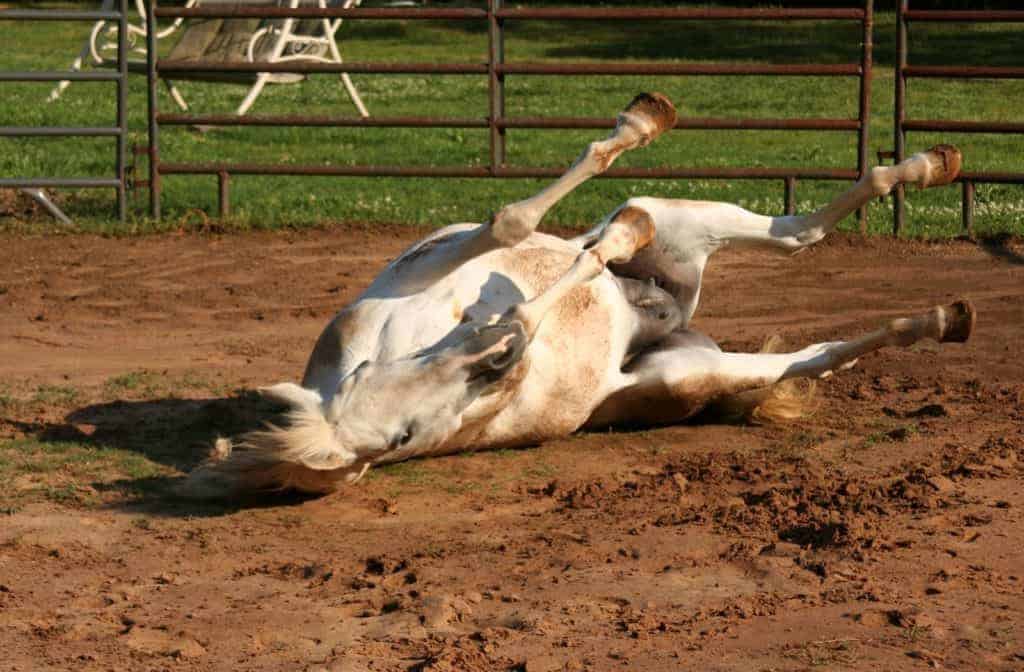
Dr. Bryan Waldridge, who treats retired champion racehorses at Old Friends, shares specifics about the types of colic that are more common as horses age.

Do you want to give your horse the benefit of omega-3-rich flax but aren’t sure if you should feed it whole, ground, stabilized, or as an oil? Our nutrition expert helps sort through the differences.

In recent years it has become popular among North American horse owners looking to reduce the amount of sugar in their horses’ diets.

After a horse has had a bout of laminitis, can she be brought up slowly on grass again? If so, how soon can this be done?

Use these disease prevention strategies to protect your horse on the farm, at the horse show, and in the breeding shed.

An equine critical care specialist shares advice for dealing with a colic while waiting for your vet.

Two leading researchers explain insulin’s effects on the body and how to manage the insulin-resistant horse.

Researchers evaluated how different doses of this omega-3 fatty acid affect exercise-induced inflammation.
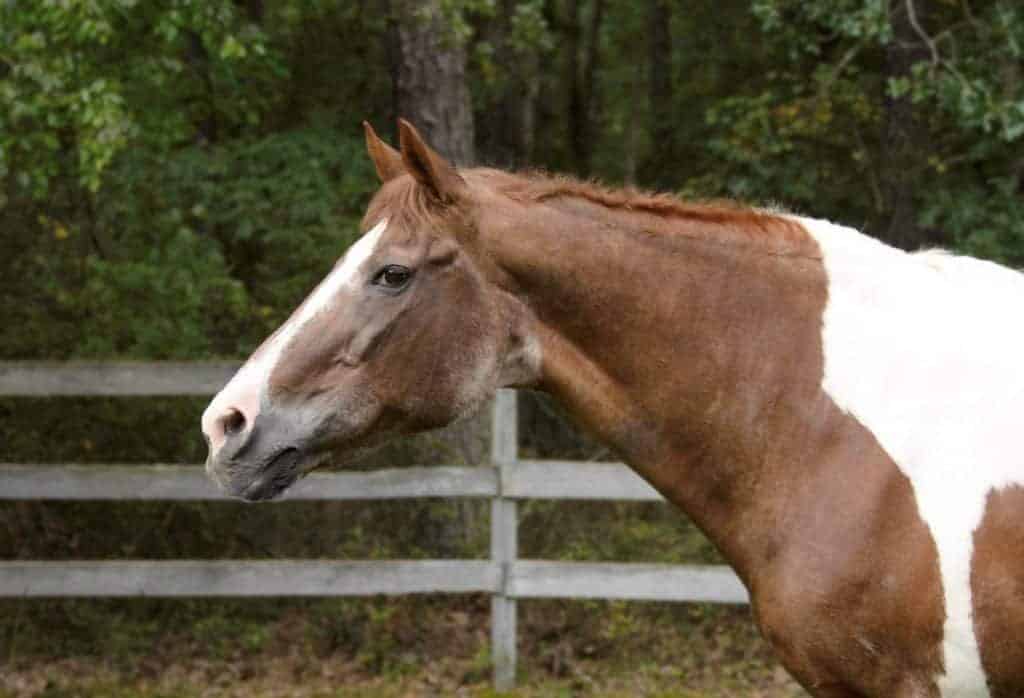
Aging horses often require individualized care to keep them comfortable and happy. Listen as our expert answers questions about senior horse health conditions, nutrition, hoof care, and more.
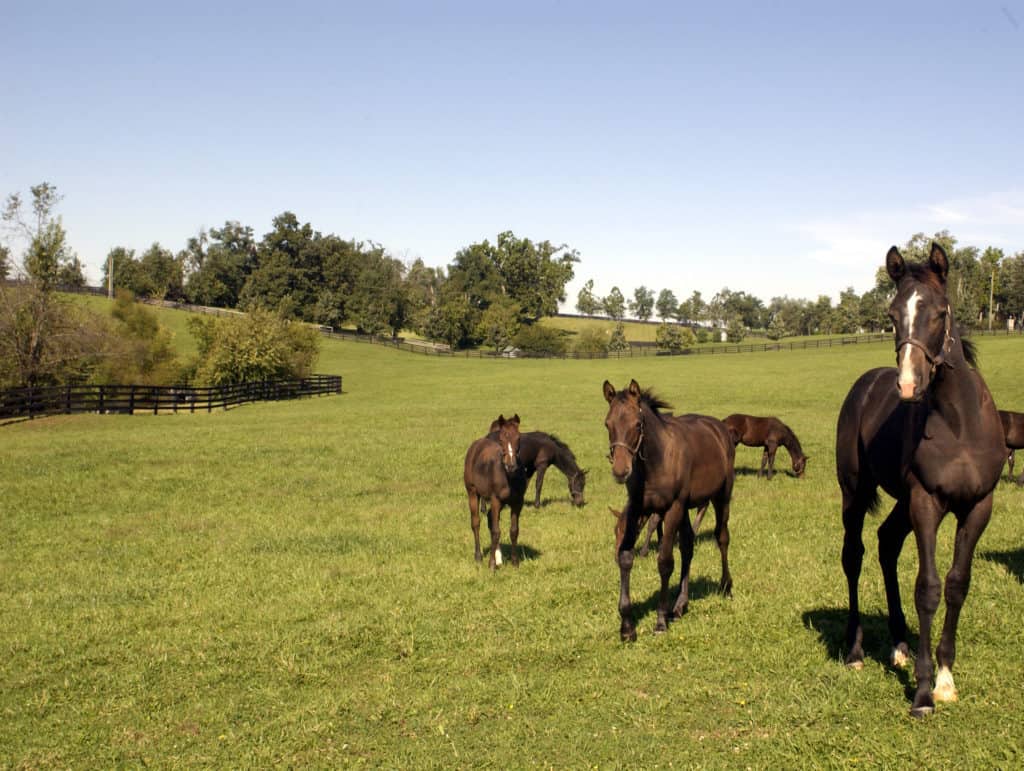
Don’t wait until your foal is weaned to plan a diet that meets his increased energy, protein, and mineral requirements.

A research team investigated which flavorings horses preferred to make high-fiber rations more palatable. Here’s what they found.

A new study looks at age as a predisposing factor for post-operative nasogastric reflux and mortality.