Young Horse Growth and Development
Do you have a young horse in your life? Learn about young horse growth, development, exercise, and nutrition during this Q&A.

Do you have a young horse in your life? Learn about young horse growth, development, exercise, and nutrition during this Q&A.

Discover the differences between these two trendy, omega-3-packed seeds that can be used to supplement equine diets.
Nutrition changes, high-carb diets, and more: Discover the nutritional factors that can cause loose stool in horses.

Dr. Clair Thunes explains what certain feed label terms mean and how to spot potential trouble.

Our equine nutritionist explains what the term “maintenance diet” means and how it applies to your horse.
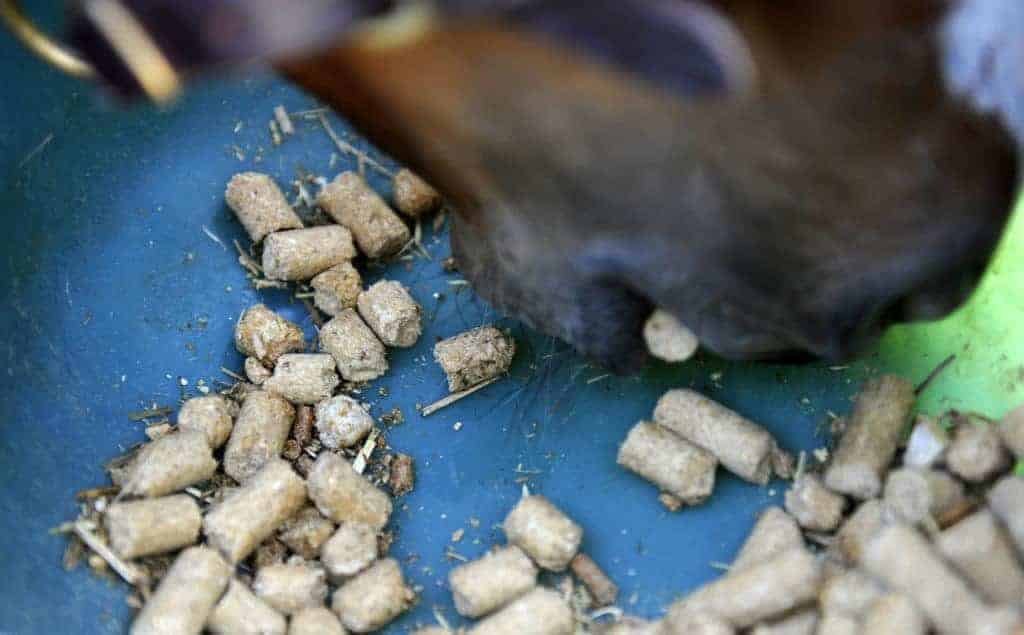
By prolonging feeding time and stimulating more saliva production, large pellets of concentrated feeds could extend mealtime and offer protection from gastric ulcers.
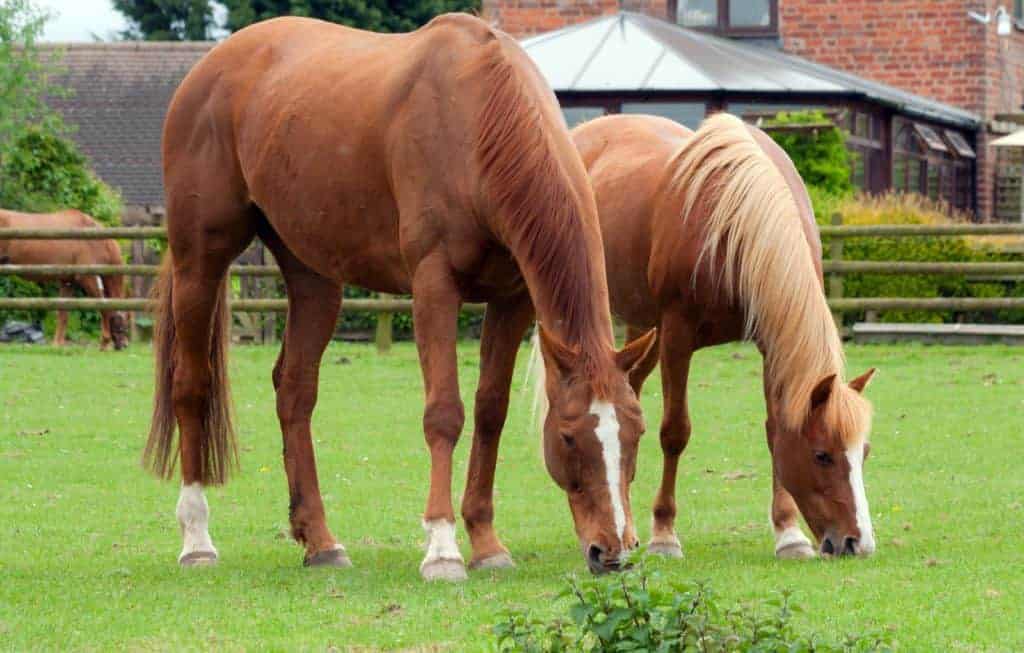
Researchers investigated whether microbiome composition could be breed-specific and, therefore, influence horse health and behavior.

Bluegrass is an excellent horse pasture forage because it’s nutritious, palatable, and tolerant of close grazing.

With the cold weather almost upon us, we must take into account several important considerations for preparing and maintaining older horses throughout winter.

While it can be unsettling to think about all the possible scenarios, planning before colic happens could save your horse’s life.

While experts recommend barley straw as donkey forage, its availability is limited in the United States. Our equine nutritionist offers alternatives.

While copper, zinc, iron, and selenium get a lot of attention in equine diets, manganese, iodine, and cobalt are also important for horse health.

As autumn approaches, consider whether you need to make changes to your horse’s diet in preparation for winter.
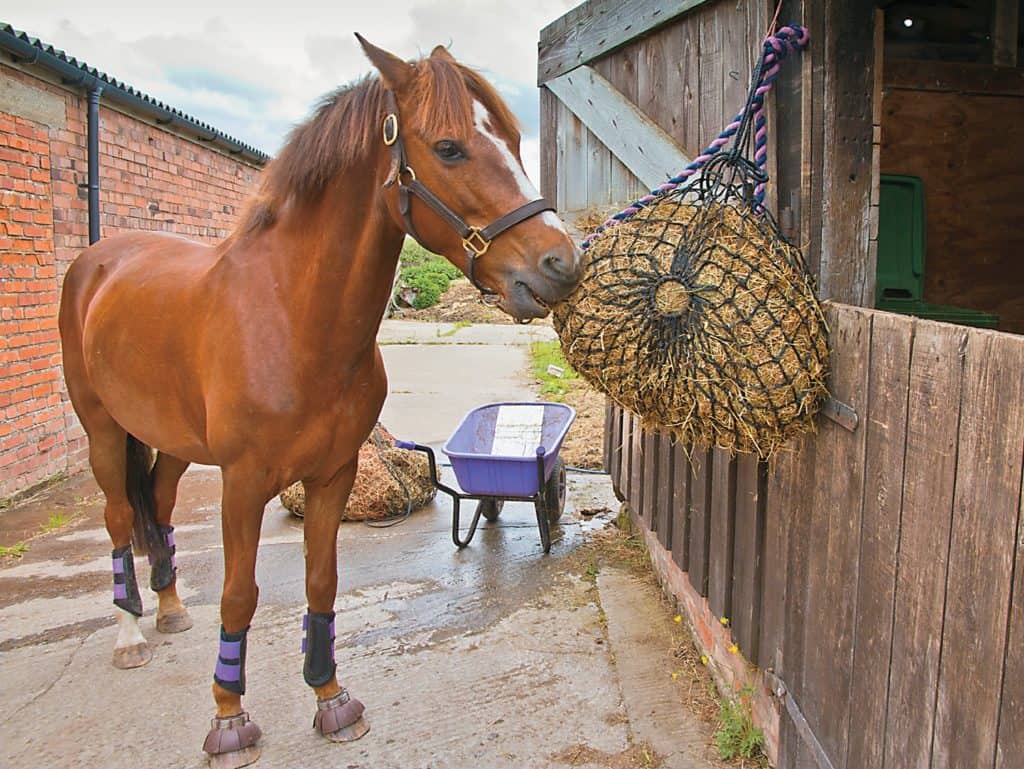
Horses with conditions such as muscle or metabolic disease might have special hay needs to stay healthy.

A listener asks about her horse’s anemia, and Dr. Bryan Waldridge explains the causes and what it means.

Although the researchers saw no effect of starch source on fecal bacteria in broodmares, parturition did appear to alter the hindgut microbiota.