Supplementing Horses With Vitamin E
Vitamin E deficiencies can cause neurologic and other health problems in horses. As such, at-risk horses—from breeding stock and foals to equine athletes and pasture pets—might benefit from supplementation.

Vitamin E deficiencies can cause neurologic and other health problems in horses. As such, at-risk horses—from breeding stock and foals to equine athletes and pasture pets—might benefit from supplementation.

Dr. Joe Pagan founded Kentucky Equine Research in 1988 and, in the three decades following, he and his staff have witnessed the evolution of equine nutrition and research trends.

Are you and your horses heading south for the winter? Prepare in advance to keep your equine charges healthy during and after transport.
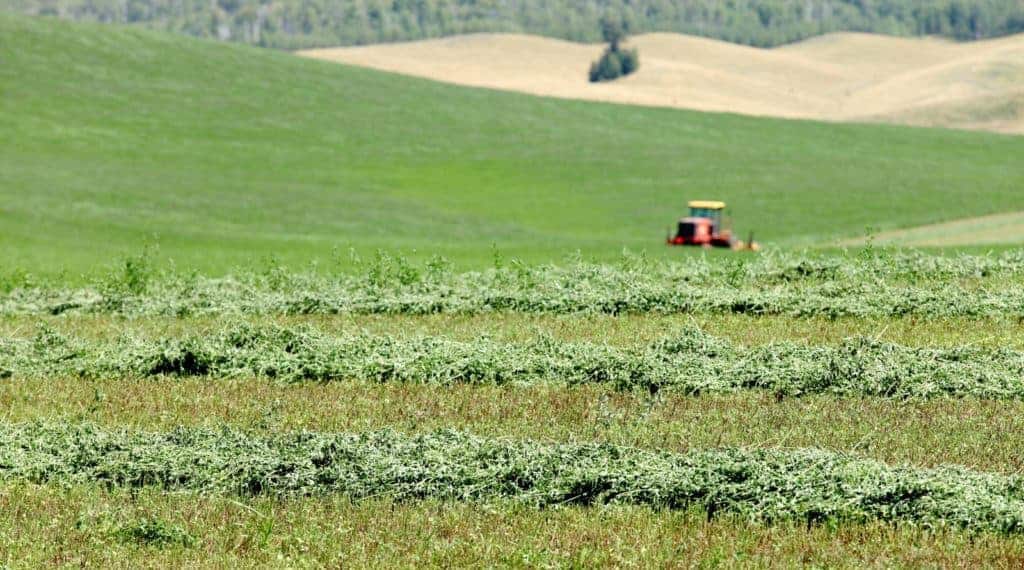
When harvested correctly, alfalfa is a high-quality source of protein and calcium for horses.

Learn why antibiotics are used to treat certain infections in horses and how you can help prevent antibiotic resistance.
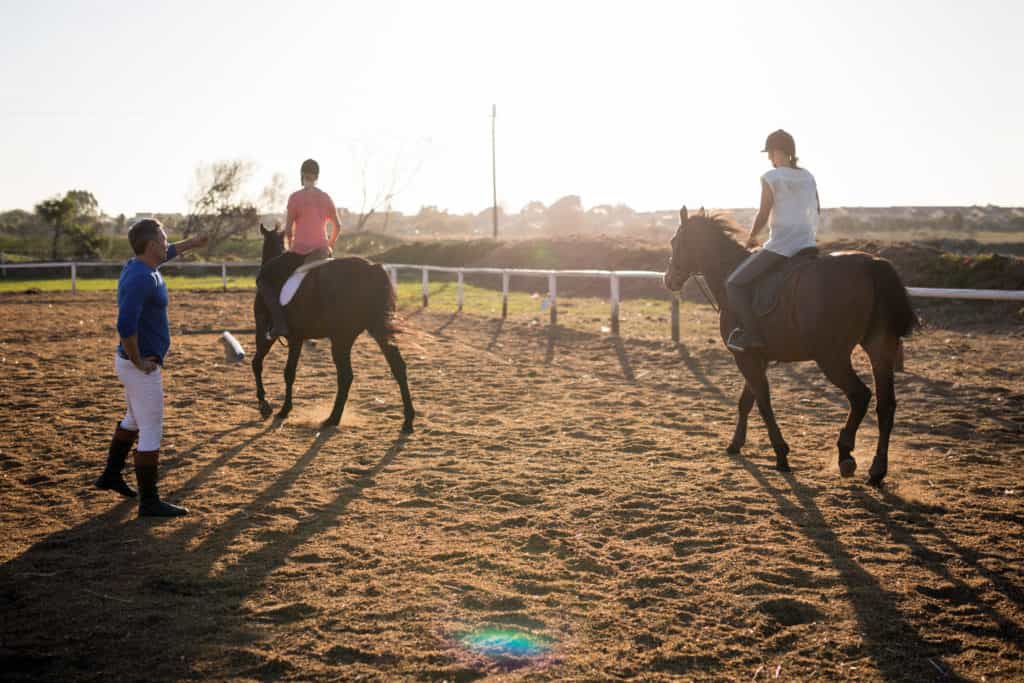
A trainer asks how to classify her horses’ workload when considering their nutritional needs.

Caring for pastures by preventing overgrazing in the winter can increase spring and summer yields.

How to unravel the reason behind your horse’s head-scratching weight loss.

Read some of the top tweets and take-home messages on equine health and nutrition from the 2018 Kentucky Equine Research Conference.

Western Milling has agreed to pay $2.4 million in damages to the owners of several horses that reportedly became ill or died after consuming monensin-contaminated horse feed.

Equine atypical myopathy and seasonal pasture myopathy are caused by eating maple tree seeds or saplings containing hypoglycin A.

Phosphorus is the second most abundant mineral in the horse’s body; about 80% of it is found in horses’ teeth and skeleton.
The FDA warned Gilman Co-Op Creamery and Farmers/Ranchers Cooperative Association of Ainsworth about monensin contamination in horse feed they produced. Monensin is an animal drug approved for use in cattle, swine, and poultry that is highly toxic and potentially lethal to horses, even at relatively low levels.

Bales aren’t the only hay option. Here’s some information about different hay forms horse owners can consider.

A high-fat, high-fiber “museli” mix appeared to supply sports ponies with enough energy to perform well and maintain body condition while reducing blood glucose levels after meals, potentially reducing their risk of metabolic disorders.

Veterinary technicians make important contributions before, during, and after colic surgery. Here’s how they help veterinarians and surgeons during these potentially life-saving procedures.