Is Feed Making My Horse ‘Hot’?
While diet can indeed contribute to a horse being energetic, it’s not the only cause. Our nutritionist shares her thoughts.

While diet can indeed contribute to a horse being energetic, it’s not the only cause. Our nutritionist shares her thoughts.

Researchers know horse body weight, BCS, and body fat percentage appear to be correlated with blood concentrations of PGE2—a joint damage marker.

Fats serve many important functions for horses, from increasing calorie consumption to reducing gastric ulcer severity.

From hydration to irrigation, learn how to combat challenges that come with caring for horses in arid climates.
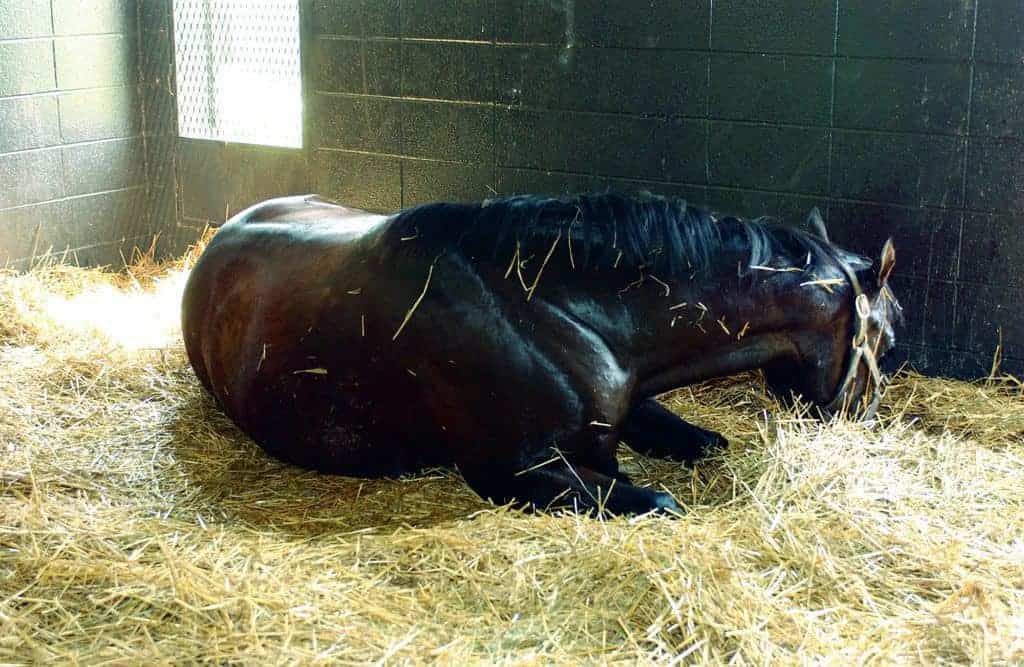
Carolyn Arnold, DVM, Dipl. ACVS, of Texas A&M University offers a better understanding of the gut microbiome’s role in colic and colitis.
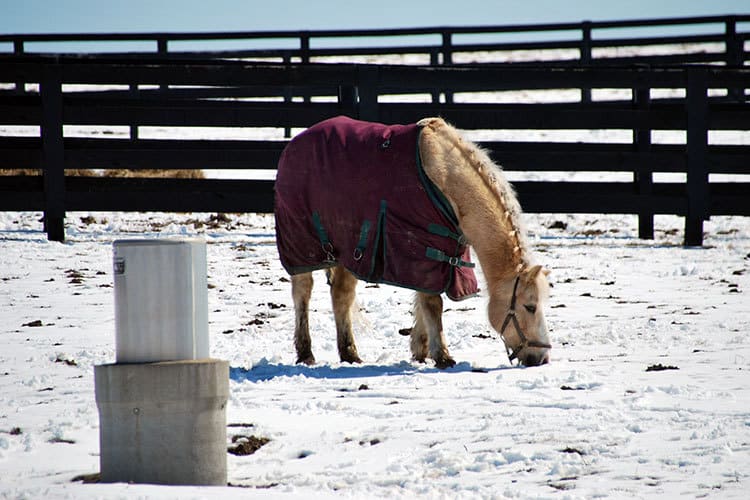
Learn how to avoid and address impaction colic, a common cause of cold-weather emergency farm calls.
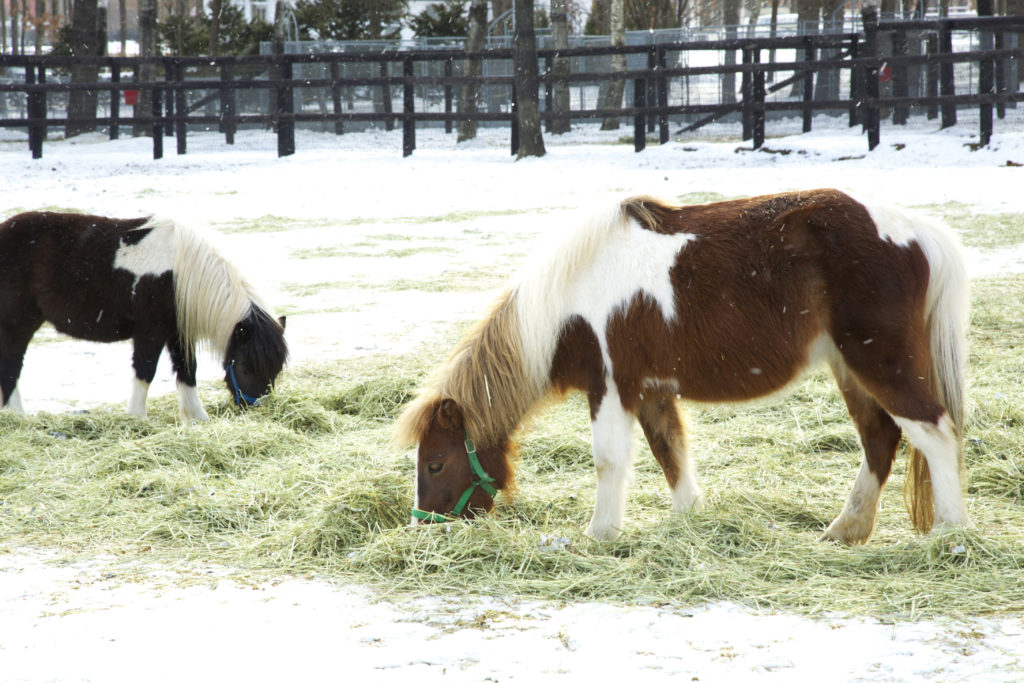
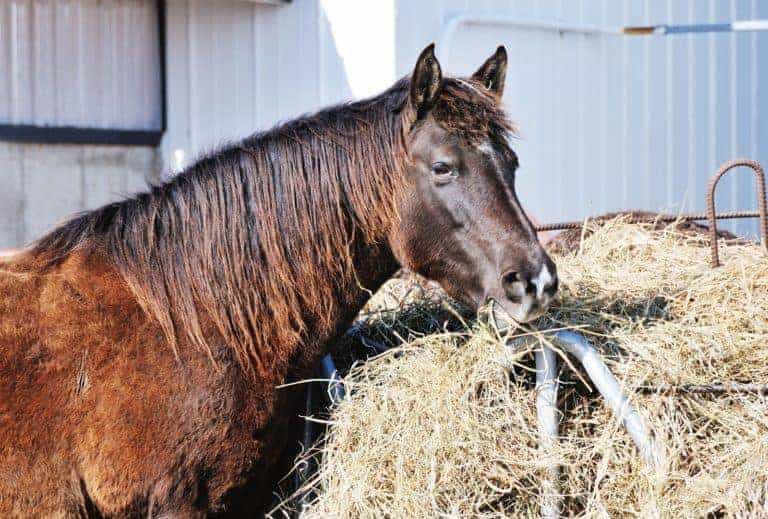
A horse owner asks if she’s feeding her horse hay often enough. Nutritionist Dr. Clair Thunes responds.

Remember these 3 simple things to help your horse maintain his weight and health this winter.

In the past 30 years, researchers have made great strides in understanding gastric ulcers. Those findings and ones yet to be made can help improve horse health and welfare now and into the future.

Dr. Wayne McIlwraith describes how joint treatments for horses have changed over the years and what therapeutic options might be on the horizon.

Dr. Stephanie Valberg explains how five major advancements in veterinary technology have helped her and others learn more about and discover new equine muscle disorders.

A user in a wildfire-affected area asks if supplements can help support her horse’s respiratory system.
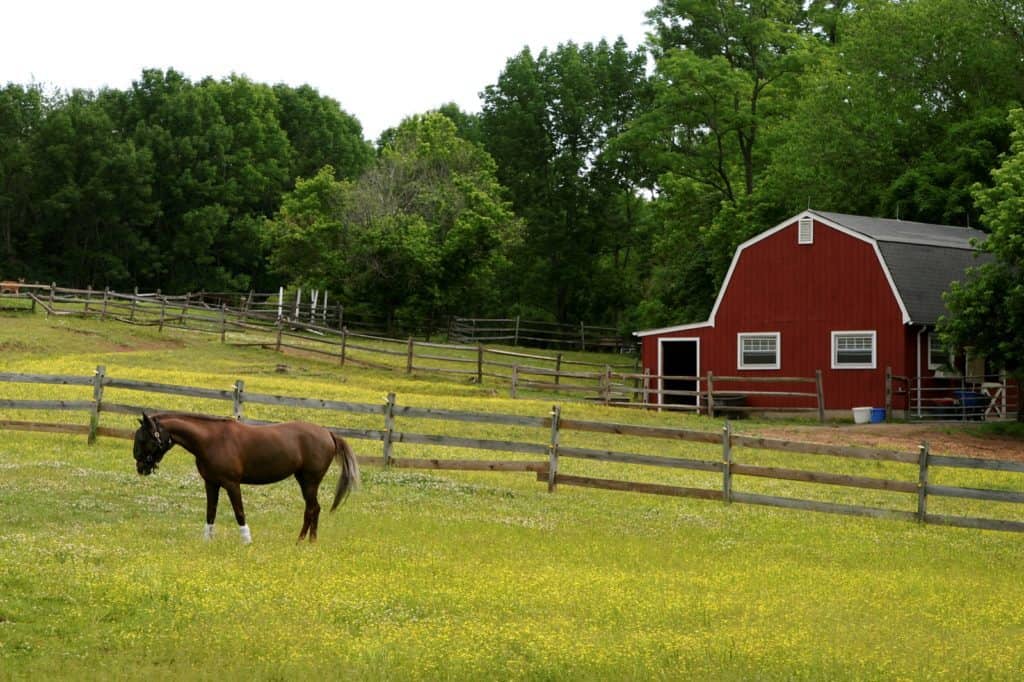
Proper management of pastures on small acreage can mean better grazing for your horses and reduced hay costs.

Selecting and using a hay feeder that works for you and your horses reduces waste and helps you save on feed costs.

I purchased a horse, and she came with no health records. How do I get her back on a preventive care regimen?
While wire ingestion was once considered a death sentence, researchers recently found that surgery can save some affected horses, especially if the foreign body is identified and treated early.