How Can I Combat My Senior Horse’s Loose Manure?
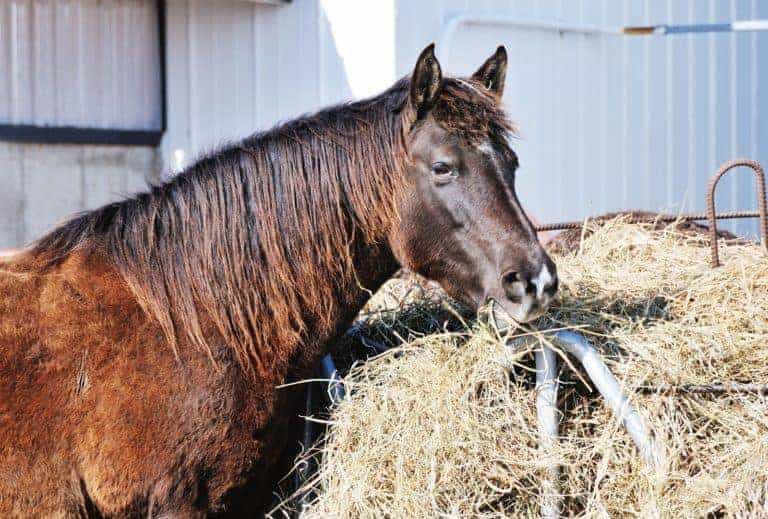
Why might replacing long-stem hay with hay pellets help resolve a senior horse’s loose manure? Our equine nutritionist weighs in.

Why might replacing long-stem hay with hay pellets help resolve a senior horse’s loose manure? Our equine nutritionist weighs in.

Horses are highly susceptible to botulism, which causes neurologic disease and death. Download this free fact sheet to learn more!

This carefully designed dressage boarding barn is chore-efficient and tidy. The details draw clients, save time, and help protect the environment.

While either the small or large intestines are usually the focus of colic discussions, the junction of the small intestine and cecum at the start of the large intestine—the ileocecal junction—also deserves mention.

Making dietary changes as horses lose their ability to grind long-stem hay will help prevent weight loss and other issues that can affect older horses.
Learn how to read supplement labels and the difference between ingredients that offer potential therapeutic benefits and those meant to improve flavor or act as preservatives.

A successful equine slim-down program includes frequent weight assessments, smart feeding techniques, and various forms of exercise.

Practitioners must use clinical signs and laboratory testing to distinguish between these sometimes similar ailments.

These findings could eventually help veterinarians tailor medical care, feeding, and training to individual horses.

By adopting key planning and management strategies, owners can keep horses successfully on small properties. Learn about zoning regulations, manure management, insect control, insurance, and more in this free report!

Iron deficiencies are rare in horses, especially in those with access to good-quality pasture and hay.

Our nutrition expert explains how diet changes can help horses with pituitary pars intermedia dysfunction (PPID).

Our nutritionist helps a reader make sense of horse feeds advertised as low-sugar, low-starch, lite, and more.

Find out how some simple diet changes might help calm your hyperactive horse.
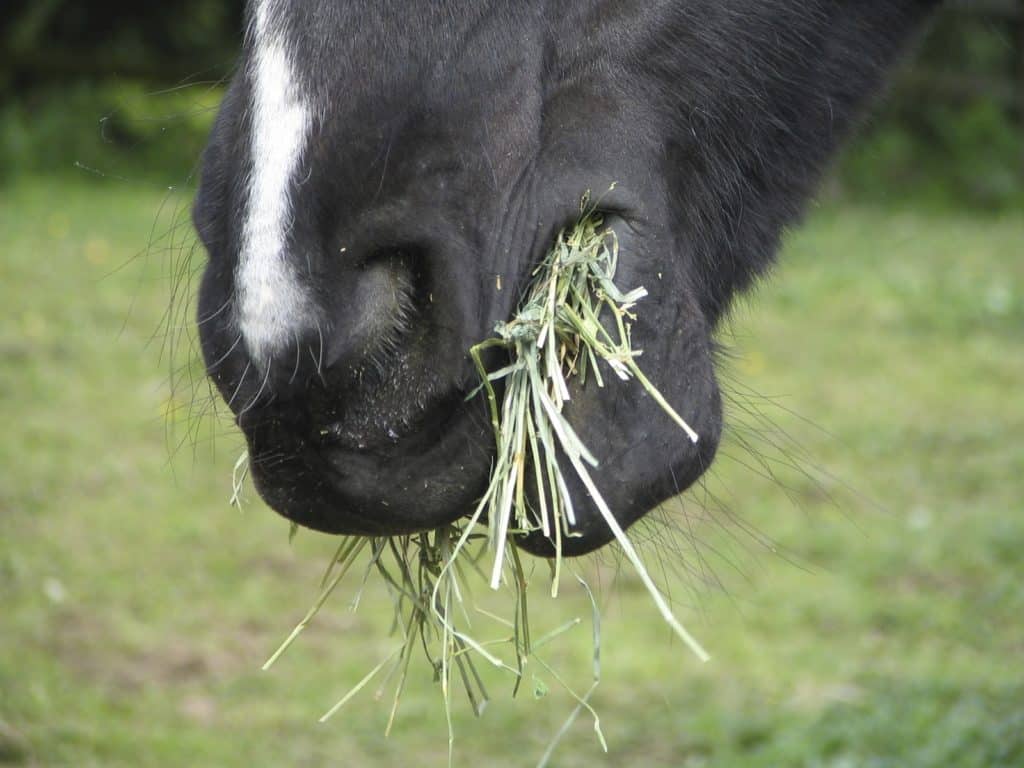
These findings help us better understand how and why horses’ teeth wear as they do, researchers said.
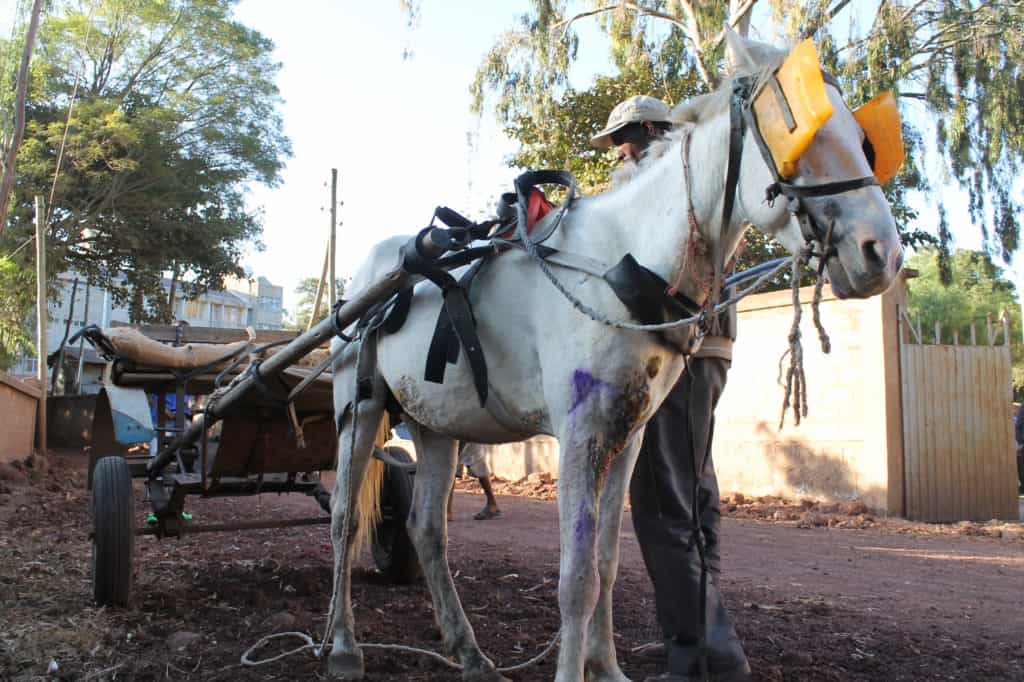
Colic incidence is relatively low, affecting only about 3% of the Kenyan equine population each year. But researchers say that figure doesn’t include many cases not reported to vets and treated with home remedies.