2018 UK Horse Pasture Evaluation Program Enrollment Open
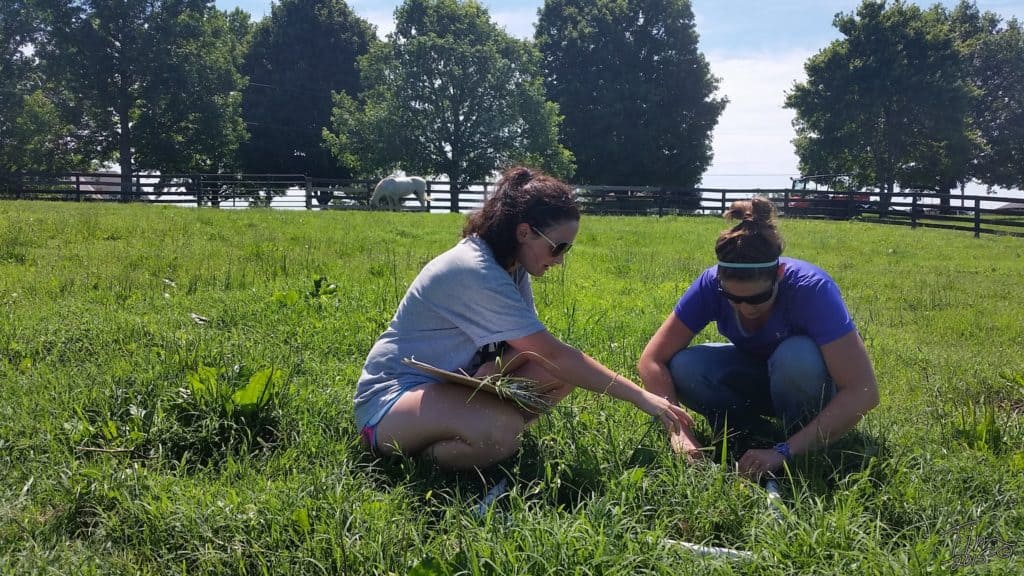
Participating farms receive detailed pasture assessments, including grass species composition and tall fescue analysis.

Participating farms receive detailed pasture assessments, including grass species composition and tall fescue analysis.
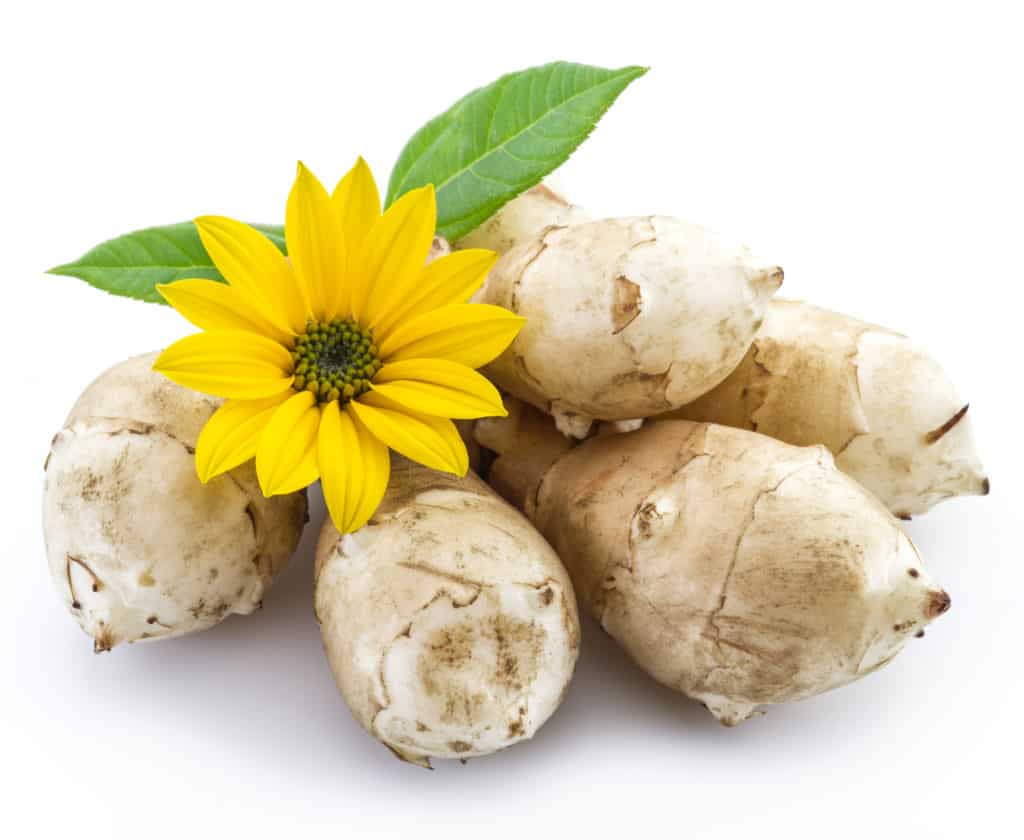
Jerusalem artichoke meal showed promise in getting sugars out of healthy horses’ systems quicker than normal, but it hasn’t yet been tested in IR horses.

Dr. Anthony Blikslager reviews what to look for if you think your horse is colicking.
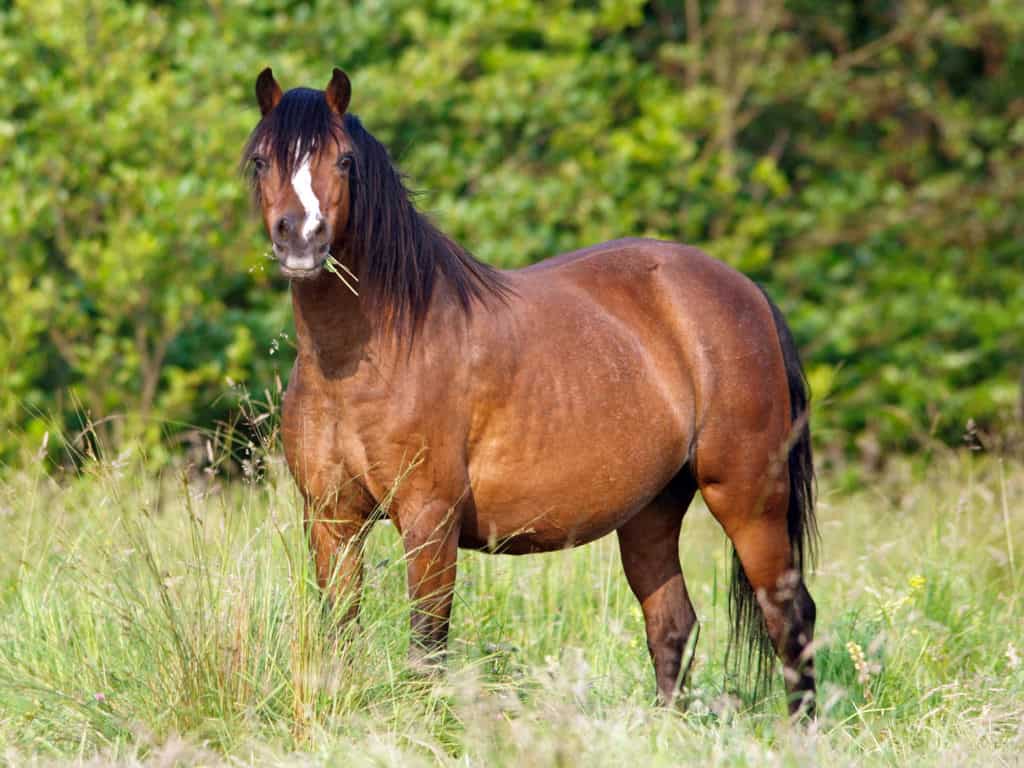
Researchers are working to help owners find ways to help their horses lose weight no matter their circumstances–from boarding facility set up issues to unsound horses that can’t be exercised.

Researchers identified “major misperceptions in how supplements are tested before being launched for sale” among surveyed Irish equestrians.
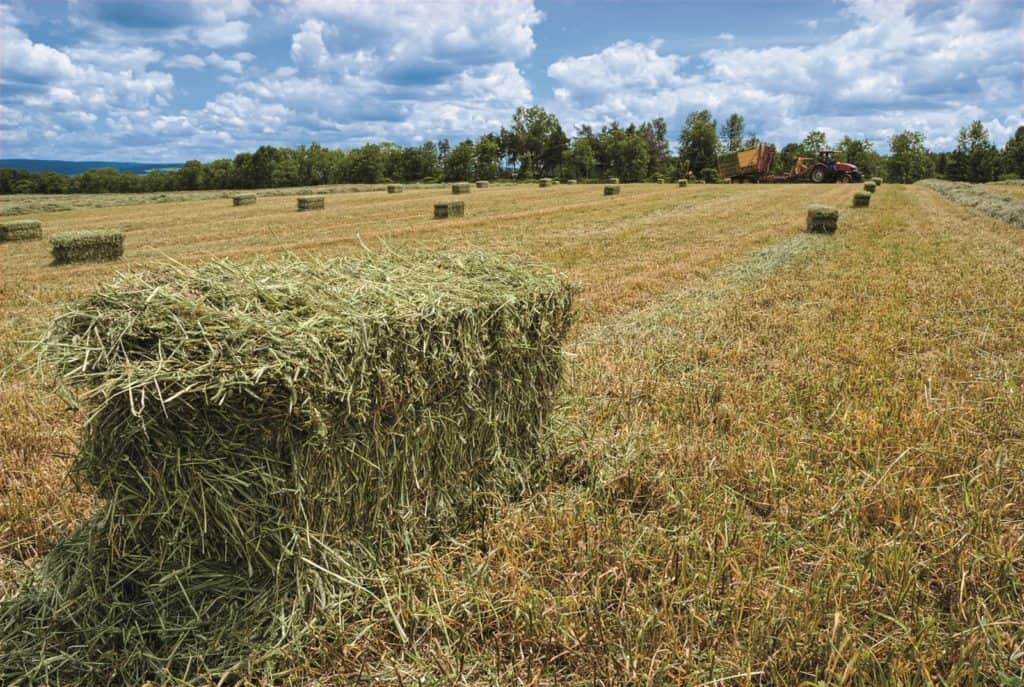
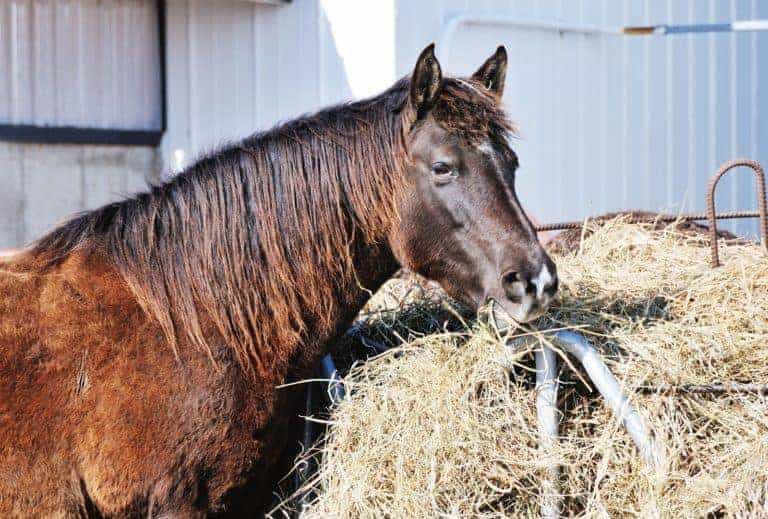
Learn how to plan forage purchases with this practical guide to hay cuttings, types, and quality.

Most bloodworm-associated colic patients did not exhibit severe colic signs, which could make this potentially deadly condition difficult to diagnose, researchers found.

Colic is the No. 1 killer of horses. Learn how to spot the signs and give your horse the greatest chance at survival.

Our equine nutritionist explains the differences between horse life-stage and feed types.
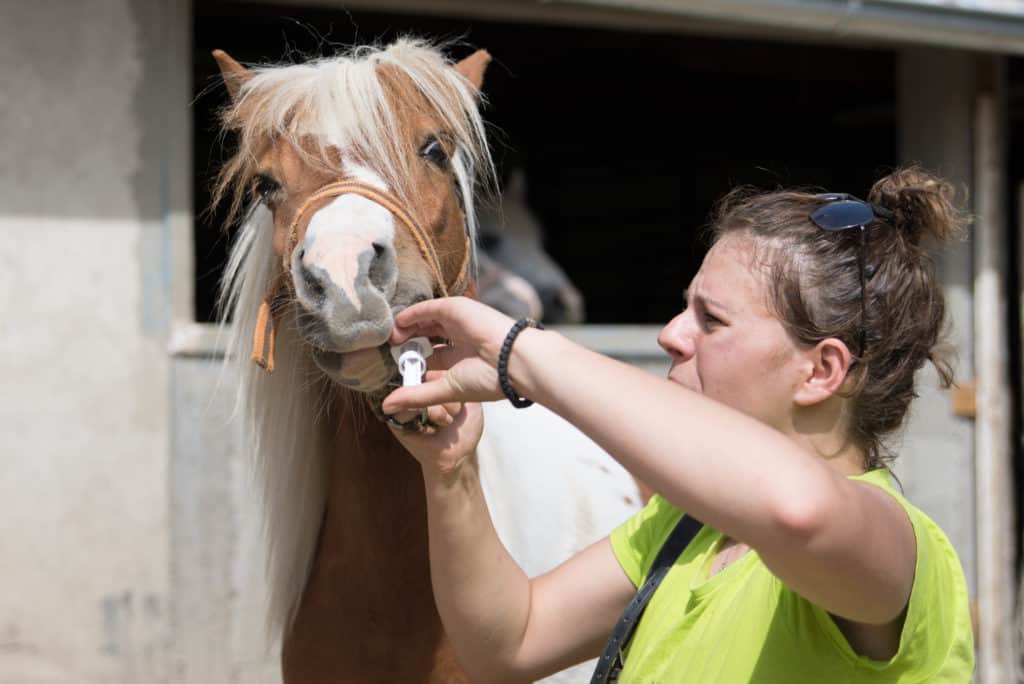
Before horses start grazing on the green grass this spring, check with your veterinarian to ensure your deworming program includes tapeworm control.

Proper spring turnout management and monitoring body condition are important steps to keeping your horse healthy.

Researchers are working to find other potential race-day therapies that can be used to manage EIPH if proposed legislation banning race-day furosemide use in the U.S. is passed.
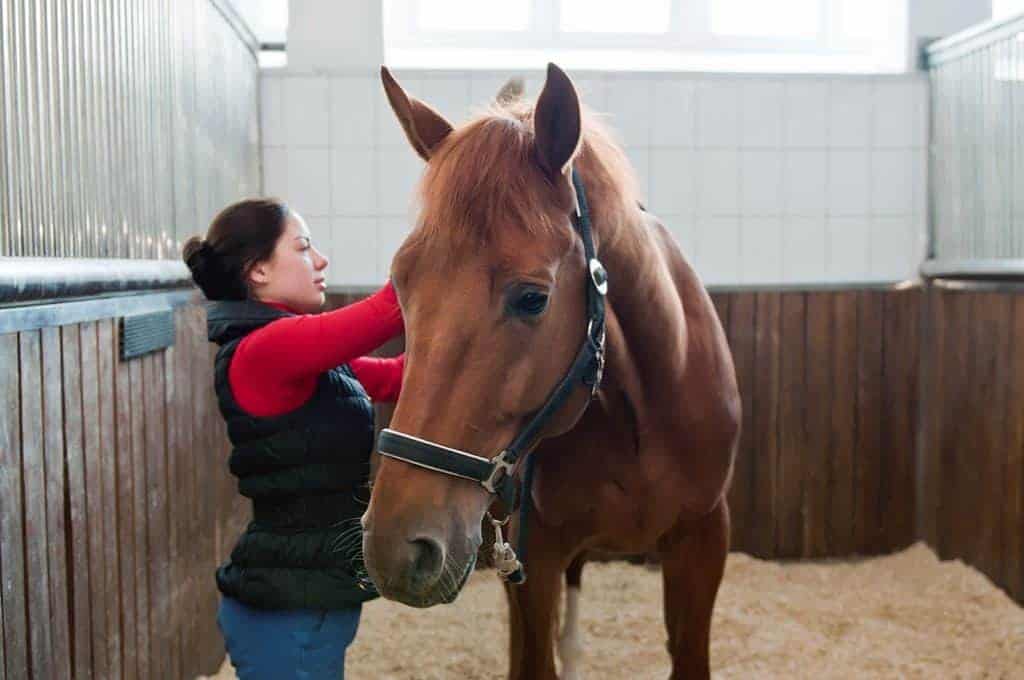
Researchers are still lacking reliable tools to understand what good equine welfare looks like from the horse’s point of view, but they’re making progress.
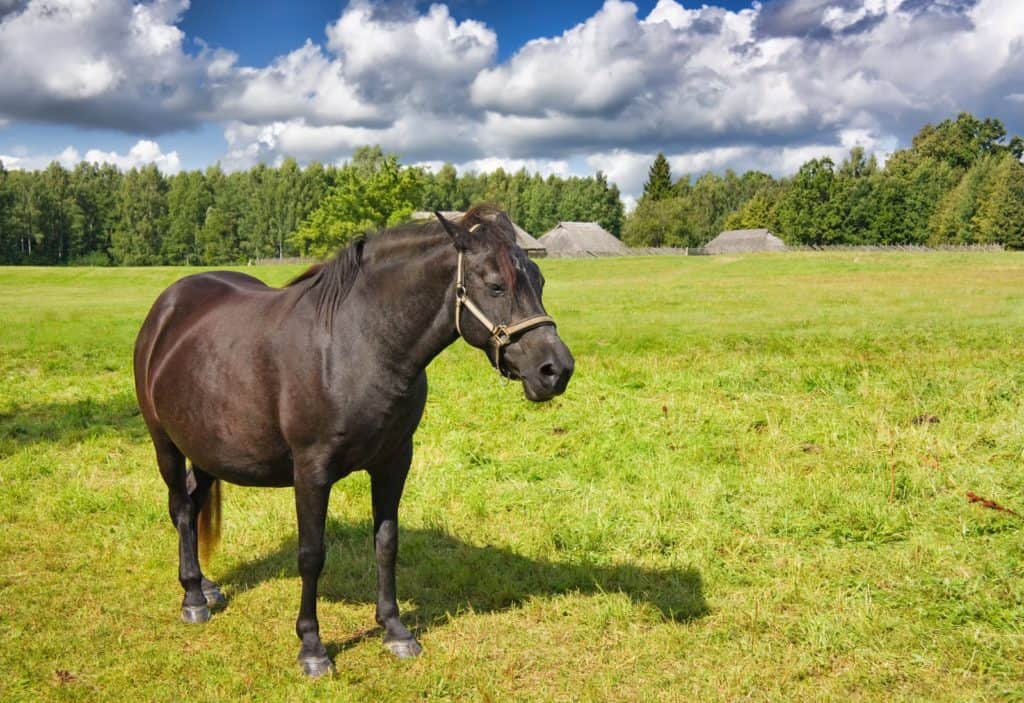
Researchers identified a link between glucose and insulin concentrations (measured using an oral glucose test) and risk and onset of laminitis.

Consider your horse’s diet when helping him make a smooth transition from winter to spring.

Make sure your horse’s diet supports his regular exercise program with these tips.