Mineral of the Month: Copper
A mature horse that is idle or lightly exercised requires 100 mg of copper per day. Here’s why.

A mature horse that is idle or lightly exercised requires 100 mg of copper per day. Here’s why.

Good pasture management begins with maintaining soil fertility to promote the growth of desirable grasses.

Here are a few ways to make feeding time more efficient without sacrificing your horse’s dietary balance.

Many gastric-support supplements include pectin and lecithins. Find out how they might help horses with EGUS.

Activated charcoal administered via a nasogastric tube might help stop the intoxication process that leads to death.

The domains focus on horses’ nutrition, environment, health, behavior, and mental experiences.

Learn how to make sure your horse has a clean, safe drink of water when he needs it, with Dr. Roberta Dwyer of the University of Kentucky’s Gluck Equine Research Center.

Does your horse have healthy hooves? Learn how nutrition and hoof supplements can help in this special guide.

While scales are most accurate, they’re not always accessible. Here are some other weight estimation techniques to try.

Dehydration, fitness, and breeding can lead to specific challenges when treating colicky horses during endurance rides.

The conference focuses on teaching ways to maximize alfalfa production and utilization.
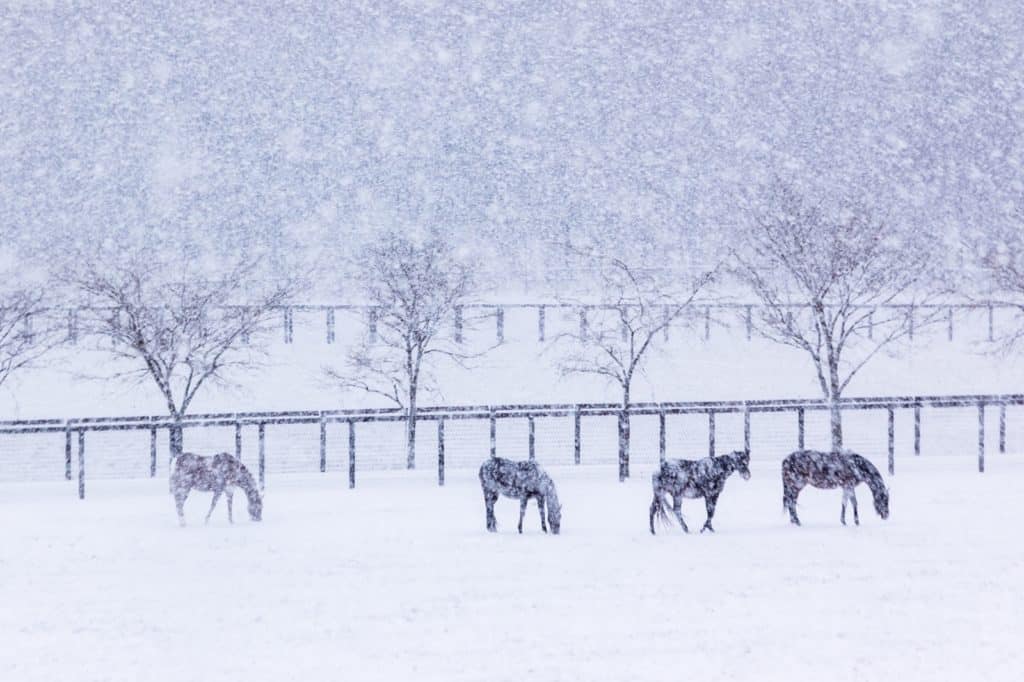
Ensure horses and livestock have adequate shelter, water, dry bedding, and feed to make it through the cold spell.

Zinc-deficient horses can exhibit reduced growth rates, inappetence, and skin abnormalities, among other issues.

Foals with a selenium deficiency are at risk of developing white muscle disease, which leads to skeletal and cardiac muscle abnormalities.
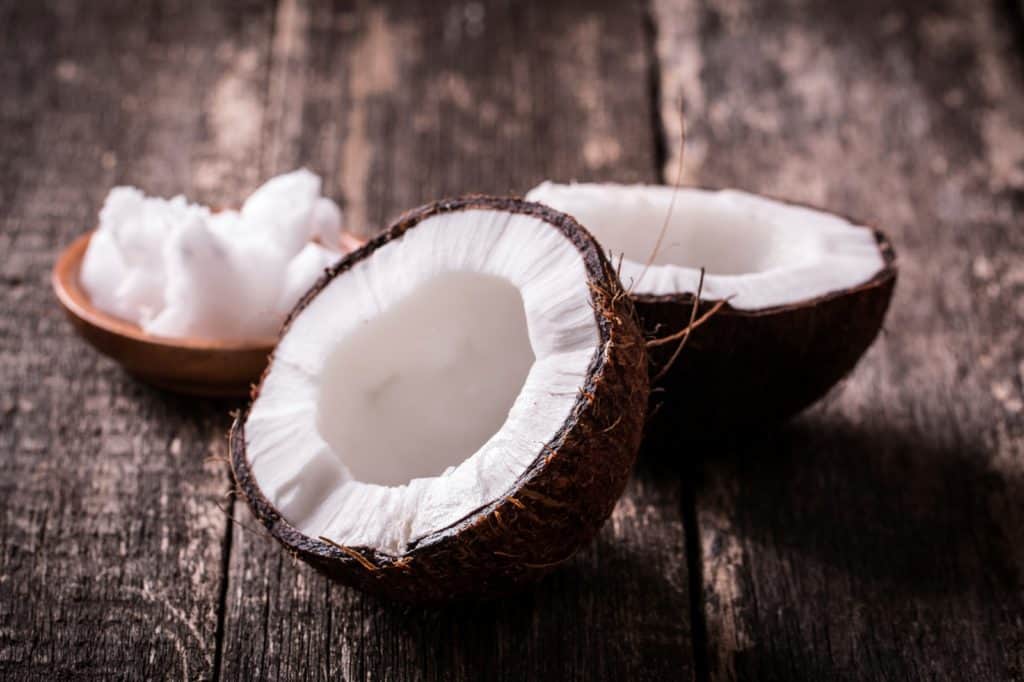
Is rice bran or coconut (copra) meal a better option to help a horse gain weight? Our nutritionist shares her thoughts.

Of the 838 respondents, 290 (35%) said they keep thawed water available to their horses in a stock tank or trough with a heating element.