Can Coastal Hay Cause Colic in Horses?
Find out why this grass is a popular hay for horses and how, in some cases, it might cause problems.

Find out why this grass is a popular hay for horses and how, in some cases, it might cause problems.

Minimize your horse’s risk of ingesting a deadly plant by identifying and eliminating harmful species.

Is your parasite control program right for your horses? Find out and get your deworming questions answered!

Our equine nutritionist offers suggestions for finding a grazing muzzle to fit your horse.

From reducing PPID-associated muscle wasting to managing IR and obesity, here’s what to consider for your old horse.
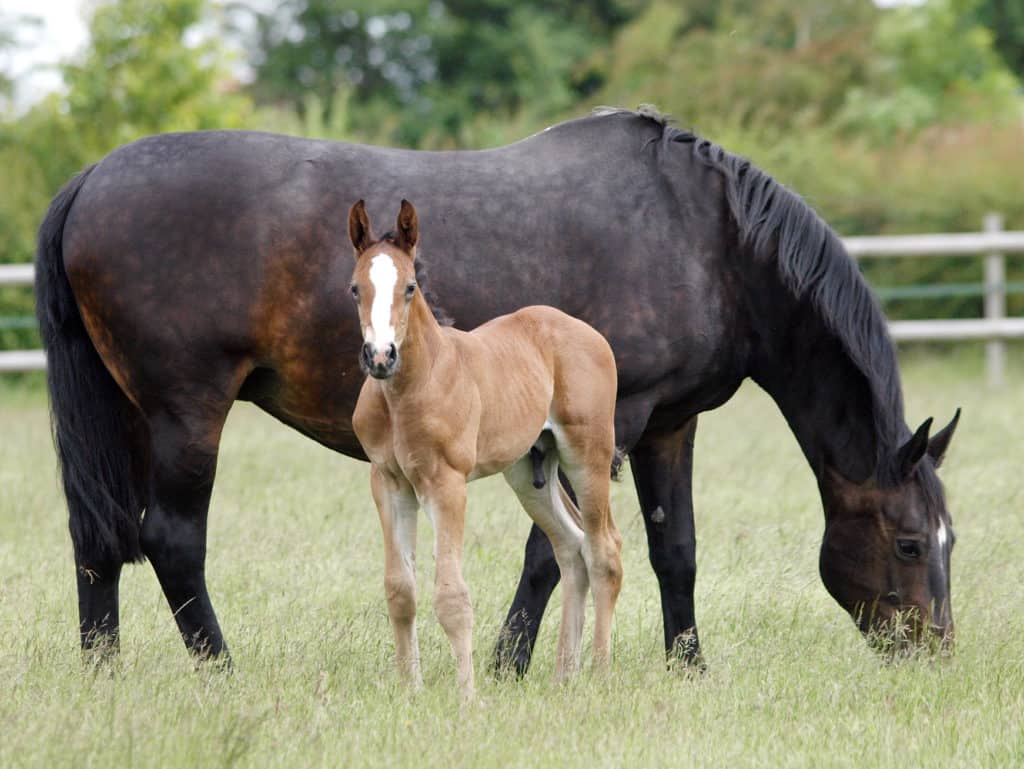
Lactating mares’ nutritional requirements increase drastically in order to maintain weight while providing nursing foals with enough critical nutrients.

The earlier you can detect endocrine conditions such as PPID and EMS, the better chance you have of preventing associated laminitis in affected horses.

This suggests old horses need an appropriate diet and management plan to help minimize the risks associated with insulin dysregulation, such as laminitis.
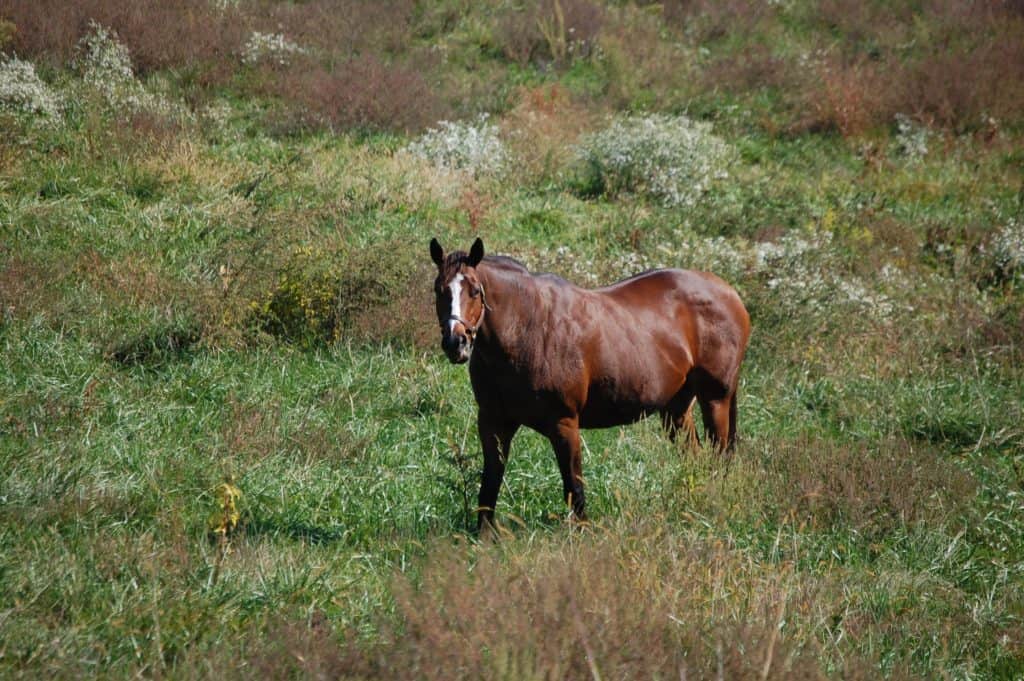
Consider these dietary changes to help reduce the laminitis risk and discuss with your veterinarian whether certain medications could help your horse.

Horses consuming crude protein at 12% of total dry matter intake excreted more nitrogen, which led to greater ammonia emissions.
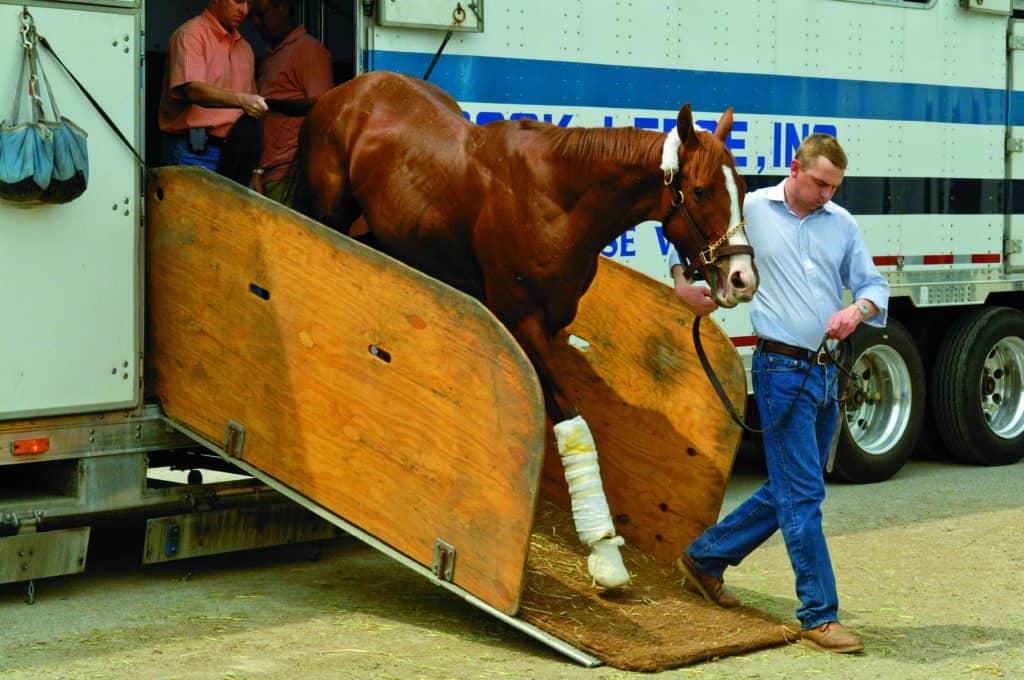
A forage-only diet and transported before exercise could positively impact horses’ exercise performance, researchers found.

An average mature horse at rest or performing light exercise requires 3.5 milligrams of iodine per day. This increases in late gestation, lactating broodmares, and horses in heavy work.

Pasture managers can take simple steps to develop a healthy root system and, in turn, a more resilient and productive pasture. Here’s how.
Speakers will present on cost sharing, weed control, rotational grazing, ryegrass, and maintaining healthy horses.
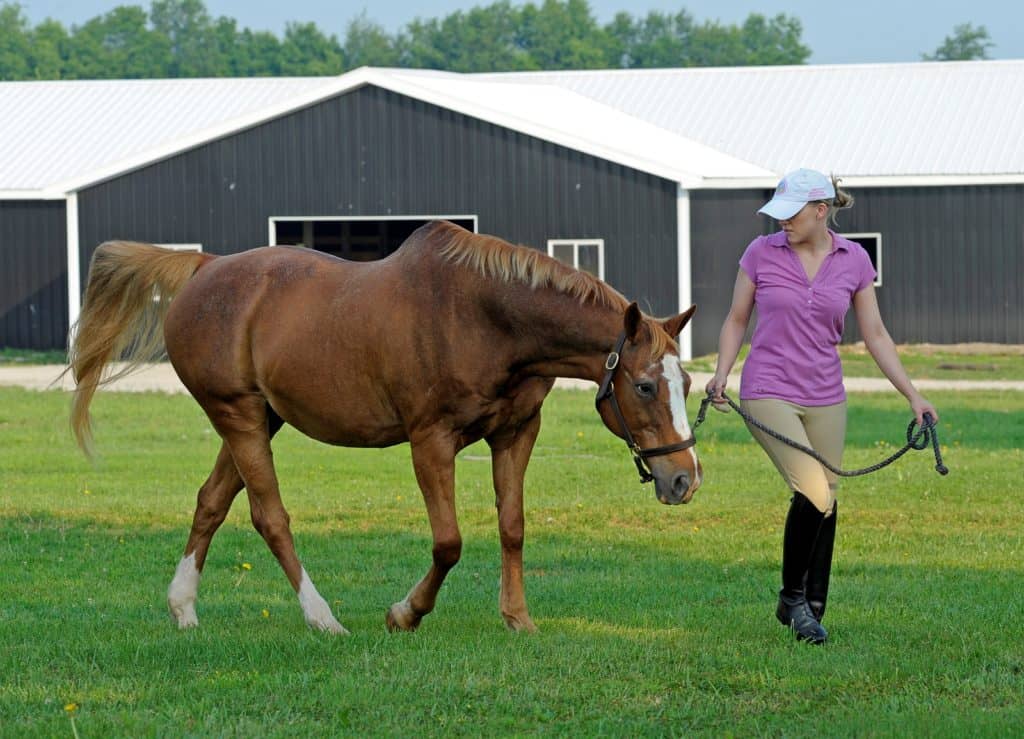
Colic often needs immediate veterinary intervention. Dr. Louise Southwood offers advice for rural horse owners who live far away from their veterinarians.

Drs. Anthony Blikslager and Louise Southwood describe the reasons why older horses are at risk for colic.