When Endurance Horses Colic: What Vets Need to Know
Dehydration, fitness, and breeding can lead to specific challenges when treating colicky horses during endurance rides.

Dehydration, fitness, and breeding can lead to specific challenges when treating colicky horses during endurance rides.
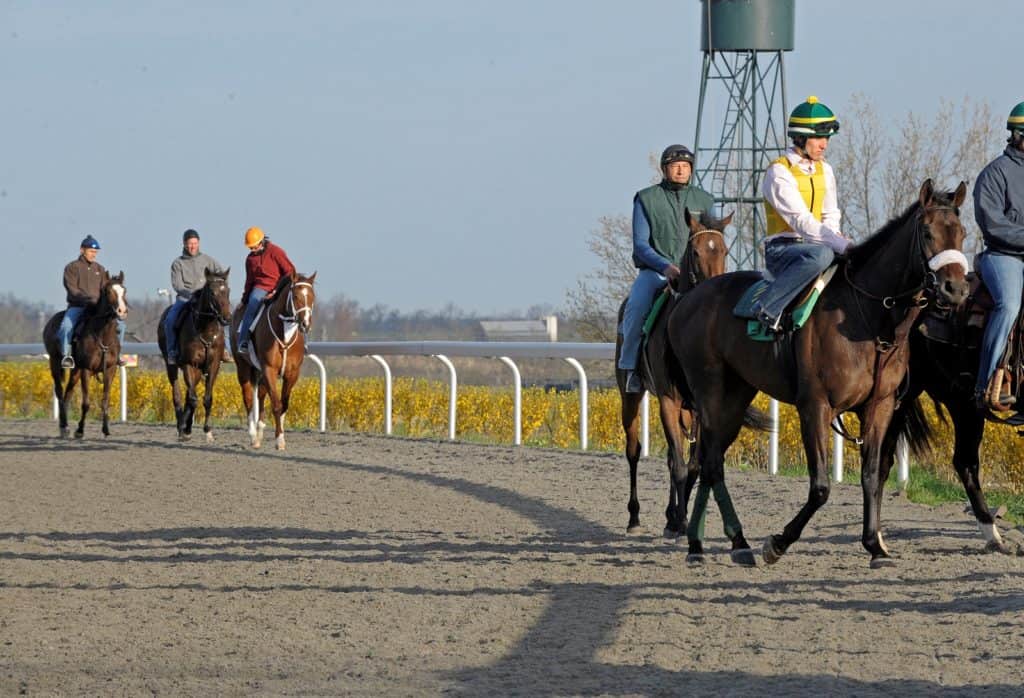
In this first part in a series on testing and maintaining equine competition surface, we focus on racetracks.
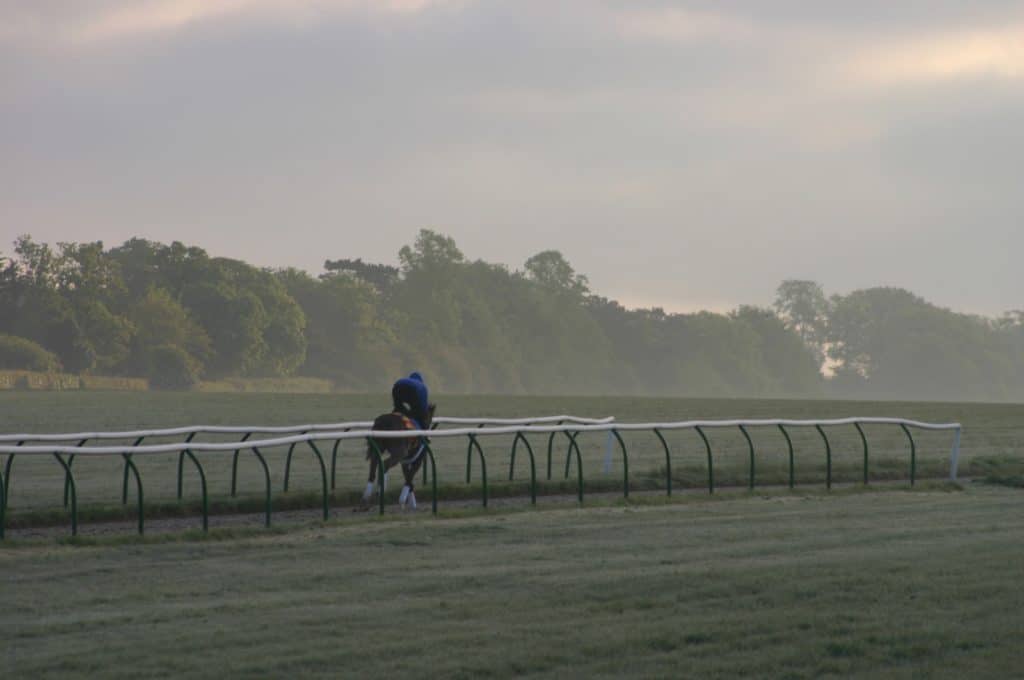
The British Horseracing Authority will conduct a full review of the sport’s equine anti-doping rules, it announced this week.

The summit will be held June 27, 2018, at the Keeneland sales pavilion, in Lexington, Kentucky.

Fatal injuries in North American flat racing horses has decreased by 23%, but there’s still work to be done.

Learn about keeping OTTBs healthy and happy as they move into new disciplines. We’ll cover feeding, vet care, handling, and more!

Get tips and information on considerations for choosing and transitioning racehorses for second careers.

More horse organizations are requiring owners to use this identification technology.

Footing is one of the most common factors cited when a horse performs poorly or suffers an injury.

The Jockey Club will charge $35 for each mare reported bred by a stallion on the annual Report of Mares Bred form.

Rider biomechanics significantly impact horse biomechanics, affecting performance, musculoskeletal health, and welfare.

Lameness was the most common issue ride vets found, but 48% of affected horses had no further vet exams or treatment.

The Hong Kong Jockey Club’s Conghua Training Centre, on the Chinese mainland, is slated to open in 2018.

The only equine disease-free zone on the Chinese mainland paves the way for a new Thoroughbred training center.
The federation also announced a new prohibited substance case involving another endurance horse and rider.

Possible discussion topics include joint treatments and injections, detailed equine health records, and more.