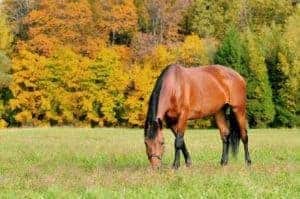
Keeping Horses With Joint Disease Fit
How can horse owners keep their animals fit and active without accelerating the joint degeneration process? Dr. Katie Ellis weighs in.

How can horse owners keep their animals fit and active without accelerating the joint degeneration process? Dr. Katie Ellis weighs in.
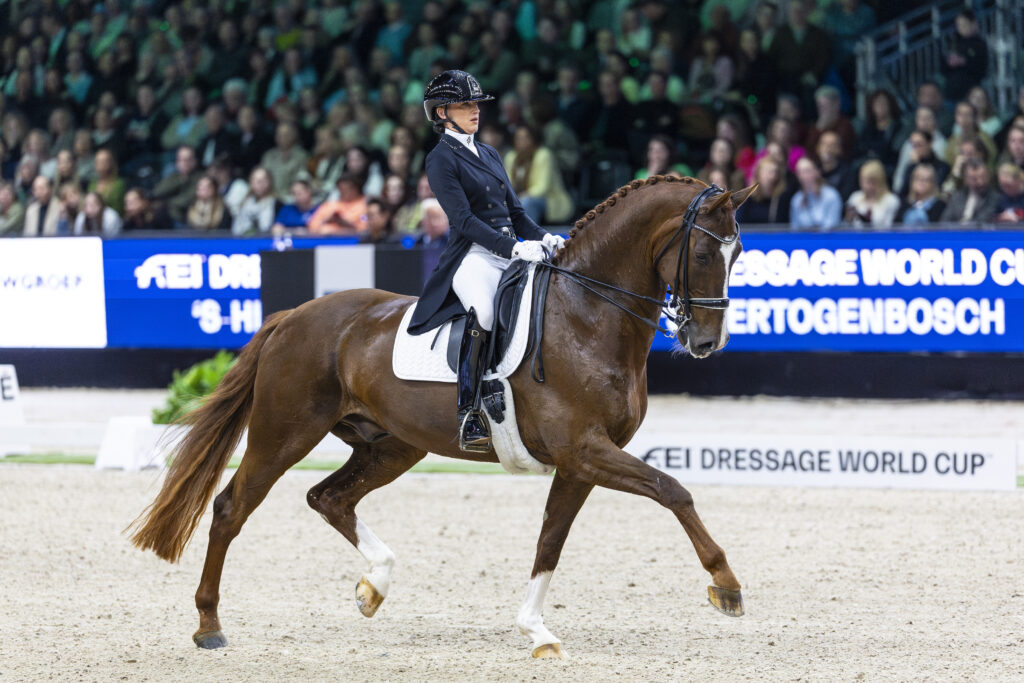
Bone remodeling in horses can heal the bone back to its original strength.

Training horses to maximize their abilities comes with potential pitfalls, but consistent attention to detail can help prevent most issues.

Two equine biomechanics researchers share insight on how to properly use equine training aids such as elastic bands, longeing systems, and various rein rigs.
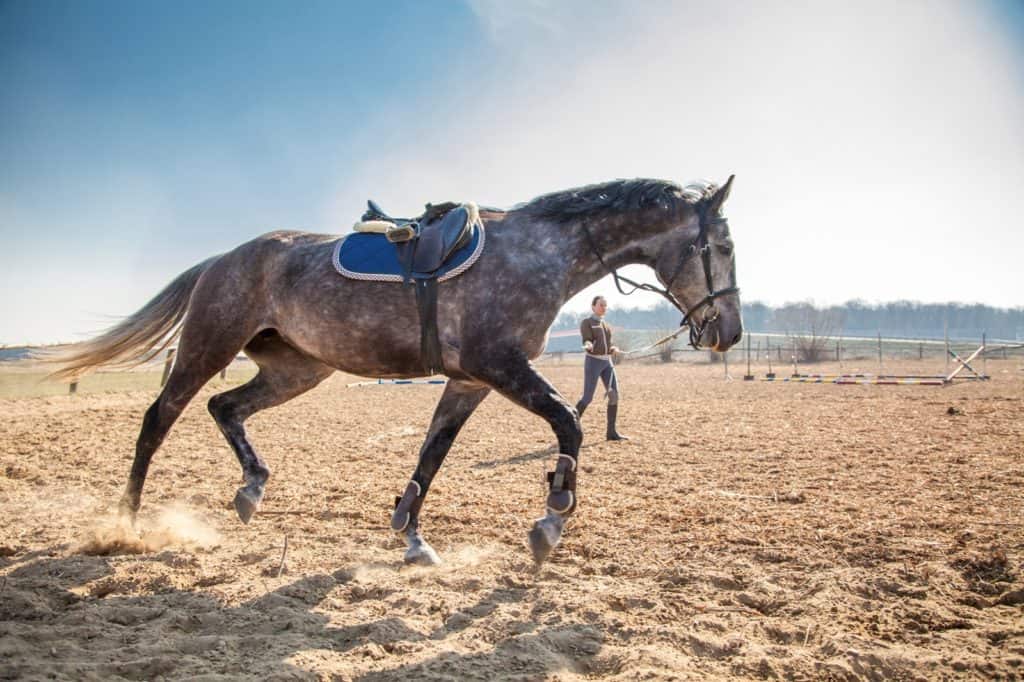
Longeing horses in a controlled way and avoiding overlongeing could be the most effective ways to protect their joints.
A horse’s ridden or competitive career doesn’t have to end after an osteoarthritis diagnosis. Two experts share tips for conditioning these animals.

Cold, inclement weather and poor footing can create challenges for exercising horses during the winter. Here are some factors to keep in mind.

Can a warmup or cooldown routine affect equine joint health? What is the best way to start and finish your horse’s exercise routine? Find out in this Ask TheHorse Live excerpt.

Here’s how you and your veterinarian can work together to reduce your horse’s risk of developing joint disease in his early years.

Driving horses, whether pulling a plow, going for a pleasure drive, or competing, face health considerations similar to and distinct from those of typical sport horses.

A horse’s body has about 700 muscles. By understanding how muscles produce movement, you can formulate training and rehab strategies.

Develop a therapeutic exercise program to help keep equine athletes and recreational horses alike feeling their best.

Sacroiliac problems can affect any horse, potentially limiting performance abilities.

Find out how you can keep your metabolically efficient horse healthy when he’s laid up with an injury or chronic illness.

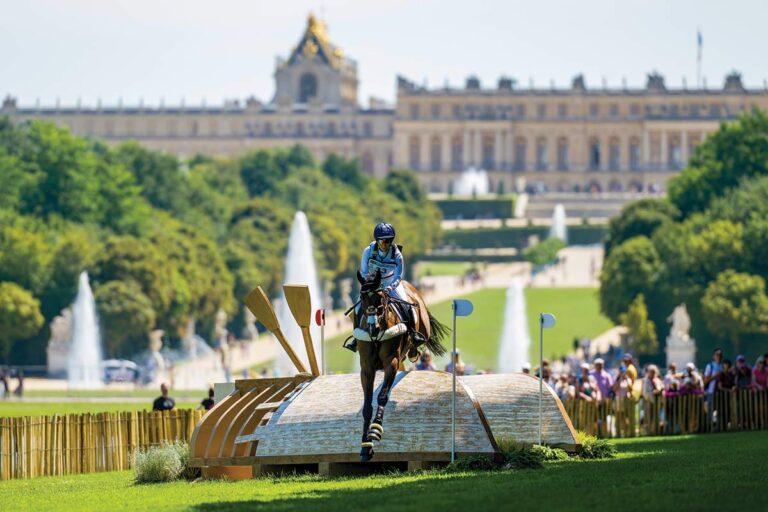
Learn about the advanced heat management strategies 2024 Olympic equestrian officials implemented to ensure horse safety during extreme temperatures.

Elite eventing rider Boyd Martin describes conditioning for Olympic horses, focusing on physical and mental preparation for Paris 2024.