Osteoarthritis Versus Arthritis: What’s the Difference?
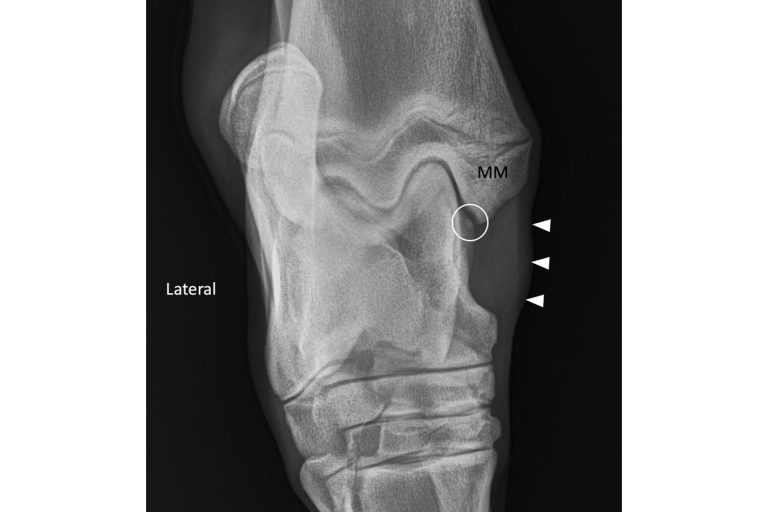
What’s the difference between osteoarthritis and other types of arthritis?

What’s the difference between osteoarthritis and other types of arthritis?

Your vet might choose to inject your horse if his joints require direct treatment due to disease, inflammation, or pain.

Learn about the newest advances in understanding and treating inflammation and joint disease in horses from Dr. Wayne McIlwraith, who is a distinguished professor at and founding director of the Colorado State University Orthopaedic Research Center.
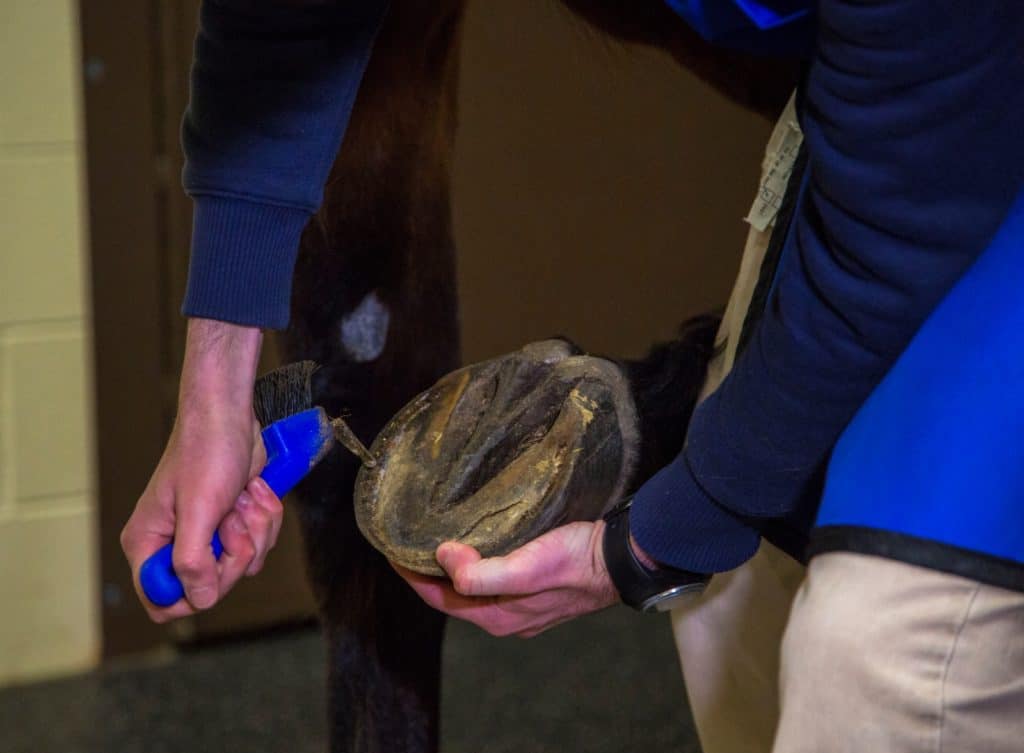
Veterinarians know that balanced hooves influence a horse’s way of going and help maintain healthy joint function. Learn more from our experts, who are both veterinarians and experienced farriers.

Dr. Bryant Craig shares steps to prevent arthritis in the athletic horse. This podcast is from the Equine Life Stages: Adult Horses Q&A audio event.

Joint disease causes lameness, impedes training, creates behavioral issues, and can end a horse’s riding career. From hoof care and nutrition to medical and supportive care, learn how to keep your horse comfortable and sound despite joint disease.

Have you ever wondered how a veterinarian would train and develop a horse? Find out from a veterinarian who’s also a Grand Prix dressage trainer and clinician.
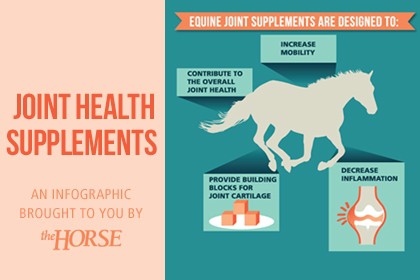
Owners face a sometimes overwhelming amount of options when it comes to supplementing horses for joint health. Learn about equine joint supplement ingredients, research, and what might help your horse in our easy-to-follow visual guide.

Learn about equine intra-articular joint-injections for arthritis from a leading researcher and practitioner.

Learn how to keep your arthritic horse sound, comfortable, and in work using best management practices.

Dr. David Frisbie of Colorado State University answers a reader question about whether oral and injectable equine supplements help prevent and treat arthritis, and he describes the importance of pursuing quality, tested products.

Learn about the newest research and information about therapeutic joint injections for horses, including hyaluronan (HA), site prep, corticosteroids, infection, and more.

Osteoarthritis (OA) is a degenerative and career-compromising disease in horses.

Equine osteoarthritis is expensive to manage, with estimated annual costs as high as $10,000-15,000 per horse to diagnose, treat, and medicate, researchers found in one study.

It has been suggested that 60% of equine lameness problems are related to osteoarthritis, which stresses the importance of advancements of both medical & surgical treatment options.

Equine arthritis refers to an inflammation of the joint. There are different kinds of arthritis, such as septic arthritis and rheumatoid arthritis. However, the most important arthritis affecting horses is osteoarthritis.