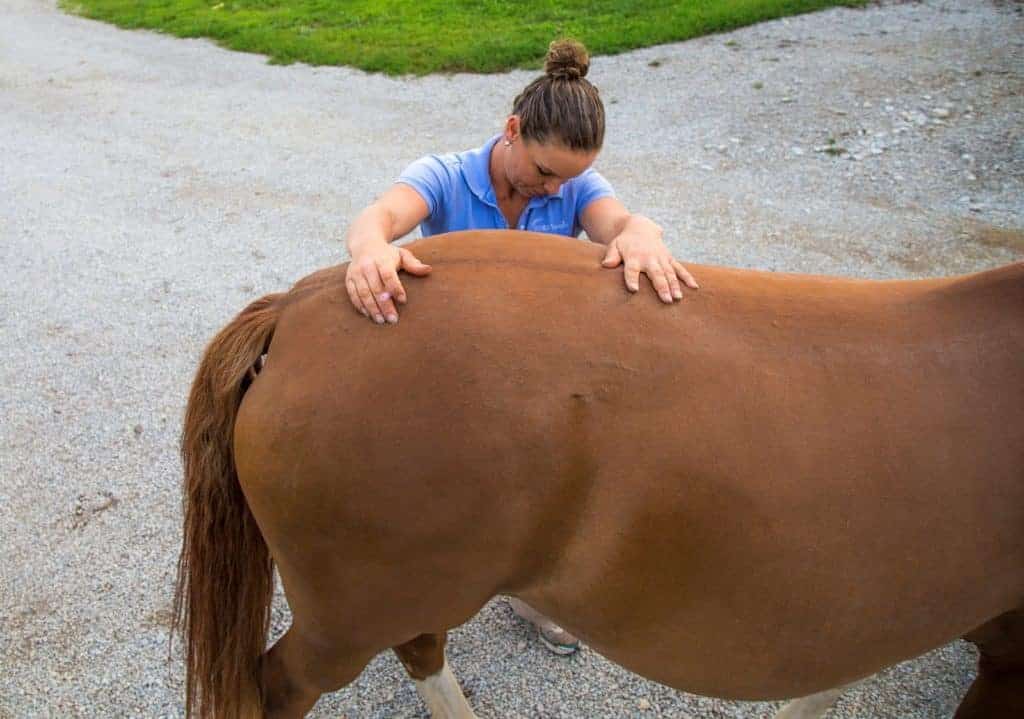
Diagnosing and Treating Neck Pain in Horses
Neck pain in horses remains challenging for veterinarians to diagnose and treat, but new options are on the horizon, one practitioner says.

Neck pain in horses remains challenging for veterinarians to diagnose and treat, but new options are on the horizon, one practitioner says.

One veterinarian says that, while we can’t lump all corticosteroids into one category, injections should still be considered a mainstay of treatment of intra-articular inflammation. Here’s why.

Horses are at risk of adverse effects anytime they receive injections. However, researchers recently determined that stem cell injection site reactions in horses were uncommon in the population they studied.

While dietary CLA didn’t appear to reduce inflammation in yearlings’ knees following induction, synovial fluid analysis showed signs of reduced cartilage degradation and improved cartilage regeneration compared to controls.

Researchers found that their technique for removing ostoechondral fragments from the hock was efficient and had few postoperative complications.

Researchers are examining inflammatory and anti-inflammatory markers’ efficacy as early indicators for potential catastrophic injuries in racehorses.

Find out how Claire Godwin, DVM, keeps her 27-year-old endurance horse PL Mercury in elite condition, from joint support to conditioning tactics.

Trainers should be aware that joint injections can have many benefits, but veterinarians need to be careful about selecting cases to receive this treatment, one researcher said.
Mok used Robert Frost’s famous poem “The Road Not Taken” as an analogy to explain the developmental fate of cells that synthesize joint cartilage.

Drs. Peter Morresey and James McLeod share regenerative medicine insights from clinical and research perspectives.

The more data vets have on the injuries Western horses experience, the more they can do to try to rehabilitate or prevent them, one practitioner says.

Seasoned sport horses often need a little extra TLC to continue performing well into middle age.

Instead of causing foot pain directly, rear hoof imbalances seem to cause more problems higher up the leg—to the hocks, stifles, glutes, and sacroiliac joint, one vet says.

Researchers believe the tested supplements could help reduce the joint inflammation that can lead to osteoarthritis.

Medication and diagnostic analgesia are only effective if veterinarians put them in the right place, so accuracy is key.

What’s the difference between osteoarthritis and other types of arthritis?
Stay on top of the most recent Horse Health news with
"*" indicates required fields