10 Equine Osteoarthritis Resources on TheHorse.com
Whatever your horse’s job, his joints keep him moving. But osteoarthritis can stop a horse in his tracks. Here’s what to know about this debilitating condition.

Whatever your horse’s job, his joints keep him moving. But osteoarthritis can stop a horse in his tracks. Here’s what to know about this debilitating condition.

Researchers recently found that, despite what can be an arduous first year of transition, healthwise, owners are overwhelmingly very satisfied with their horses and most said they’d buy an OTTB again.

Arthroscopic pastern bone chip removal in horses had no significant impact on Thoroughbreds’ racing performance, researchers found.

Address the entire horse, not just the injury, when bringing a patient back to work, veterinarians say.

Intra-articular (administered into the joint) polyacrylamide hydrogel helped decreased lameness in horses with naturally occurring arthritis, researchers found.

While there was no significant difference in outcome between patients treated conservatively compared to surgically, the overall prognosis for long pastern bone damage in sport horses remains guarded, researchers said.

How does a trainer explain a retired racehorse’s previous injury to a potential buyer? Two veterinarians and a three-day eventer weigh in.
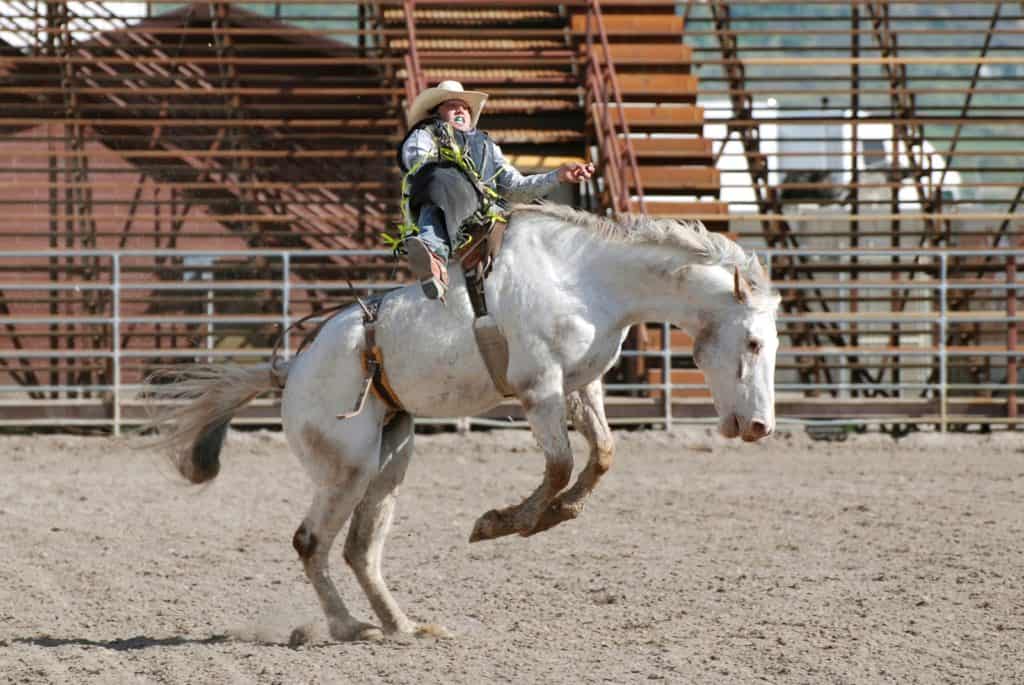
Learn more about the equine athletes that compete at rodeo events, the types of injuries they are prone to, and how veterinarians nurse them back to health.

Determining why a horse isn’t performing up to expectations can be a time-consuming and tedious process. One veterinarian shares how she approaches these cases.
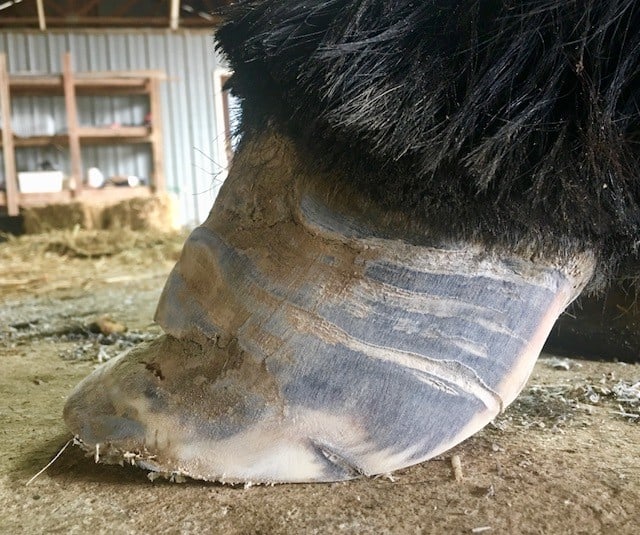
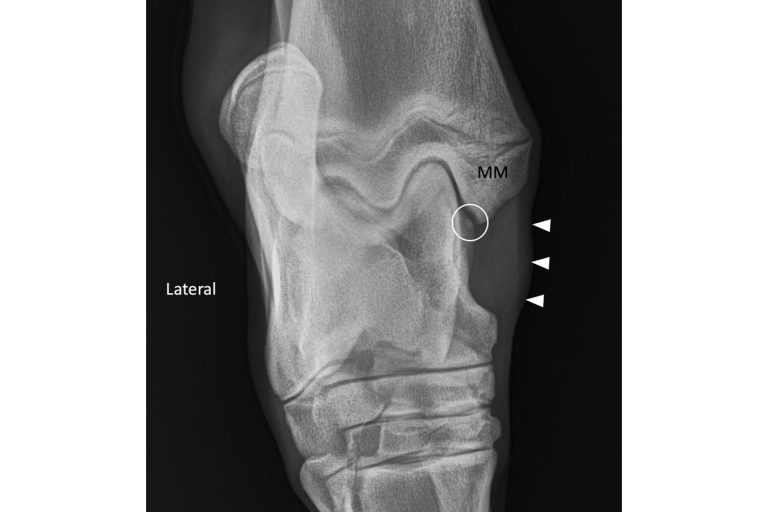
Also known as “buttress foot,” this condition primarily affects horses with poor leg conformation in high-impact disciplines. A veterinary podiatry expert explains.

Osteoarthritis can hinder and even end the athletic careers of otherwise healthy horses. Learn more about early intervention and management during our webcast.
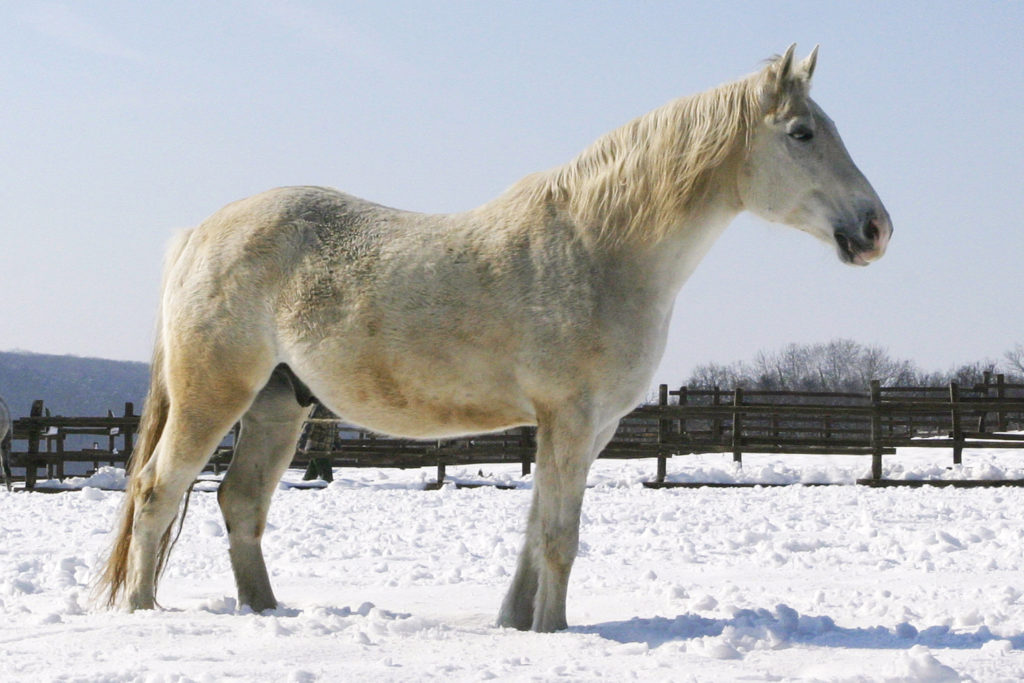
With proper care, senior horses can prosper. Here are a few points to consider.

Researchers know horse body weight, BCS, and body fat percentage appear to be correlated with blood concentrations of PGE2—a joint damage marker.

When a horse shows signs of poor performance, rearing or bucking under saddle, and sensitivity when grooming, an owner might conclude that he has a sore back. But when is an issue truly back pain, and when is it secondary to another orthopedic issue? One veterinarian weighs in.

Polyacrylamide hydrogel (PAAG) and stanolozol might offer veterinarians and owners new alternative treatment options to help reduce pain, improve joint function, and minimize joint tissue deterioration in horses with arthritis.

Dr. Wayne McIlwraith describes how joint treatments for horses have changed over the years and what therapeutic options might be on the horizon.