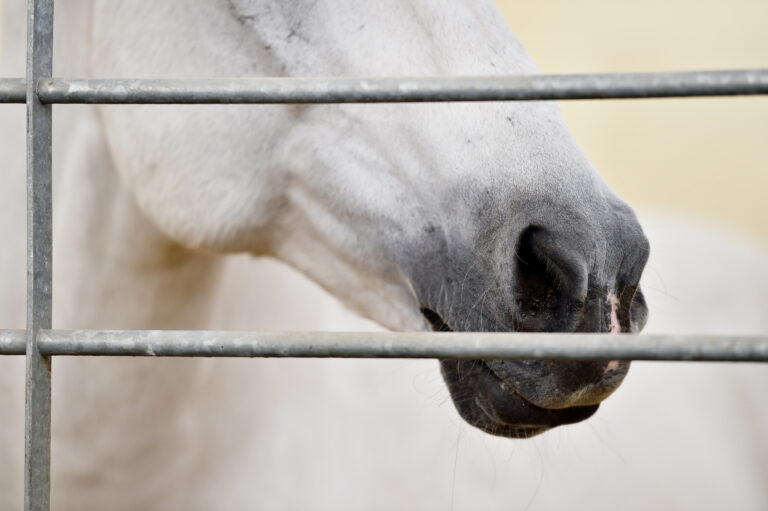
Unusual Tendon Injuries in Sport Horses
Such tendon injuries include those that affect commonly injured tendons at unusual sites, uncommonly hurt tendons, or where the pathology itself is unusual.

Such tendon injuries include those that affect commonly injured tendons at unusual sites, uncommonly hurt tendons, or where the pathology itself is unusual.

An OTTB who’s been off the track for three months tilts her head during bridling and at liberty. Could she be in pain? An internal medicine specialist weighs in.

While surgery alone can improve septic navicular bursitis prognoses, recent study results suggest outcomes can be even better if surgery is combined with antimicrobials and therapeutic shoeing.

Osteoarthritis can hinder and even end the athletic careers of otherwise healthy horses. Learn more about early intervention and management during our webcast.
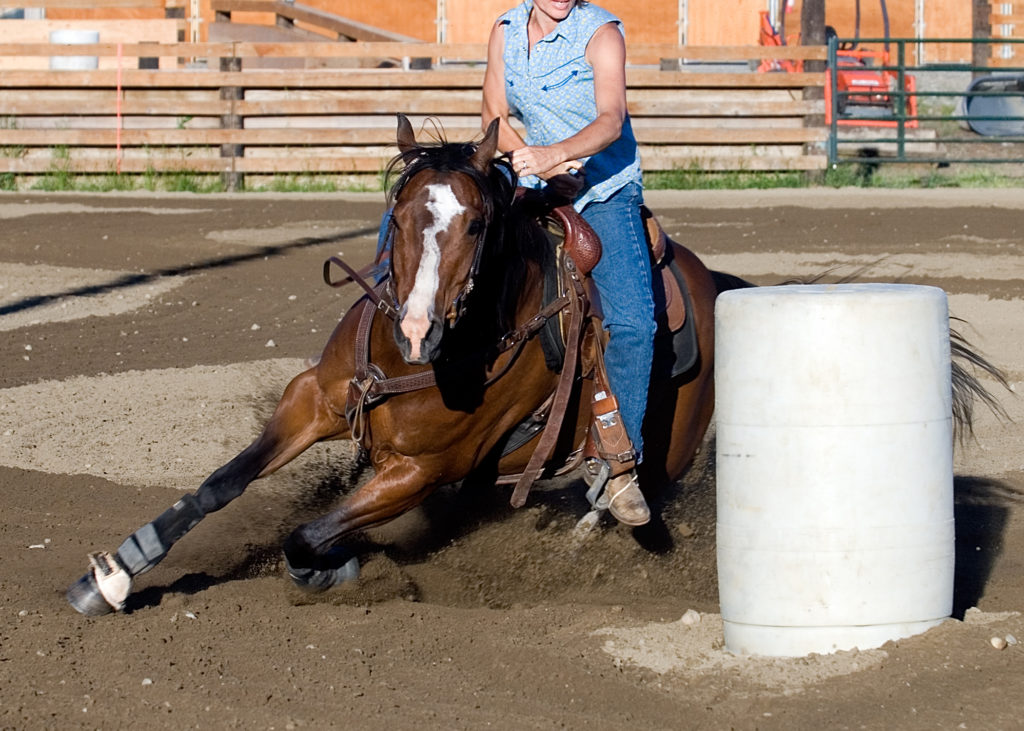
Researchers confirmed that synovial fluid is toxic to inner tendon cells, which could help explain why injuries within tendon sheaths and bursae have a poor prognosis for healing, they said.
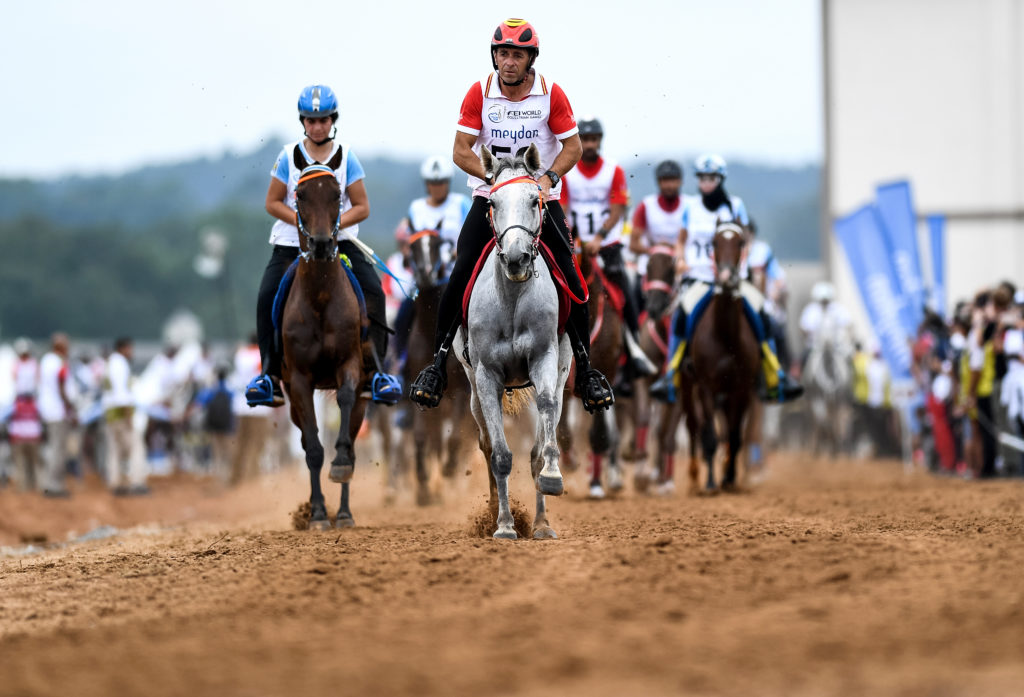
Riding at fast speeds at the start of endurance rides often leads to elimination during veterinary checks, researchers have learned. And while that might seem like common sense, many riders continue to ride too fast in rides’ early stages, one scientists said.

Knowing elimination risk factors can help veterinarians, riders, and trainers make informed decisions to safeguard endurance horse welfare, researchers say.

Most modifications made to the traditional distal limb compression bandage did not appear to improve their efficacy, researchers found.

When veterinarians applied a compression bandage to the horse’s pastern before administering a palmar digital nerve block, the drugs remained localized to the hoof rather than spreading further up into the leg.
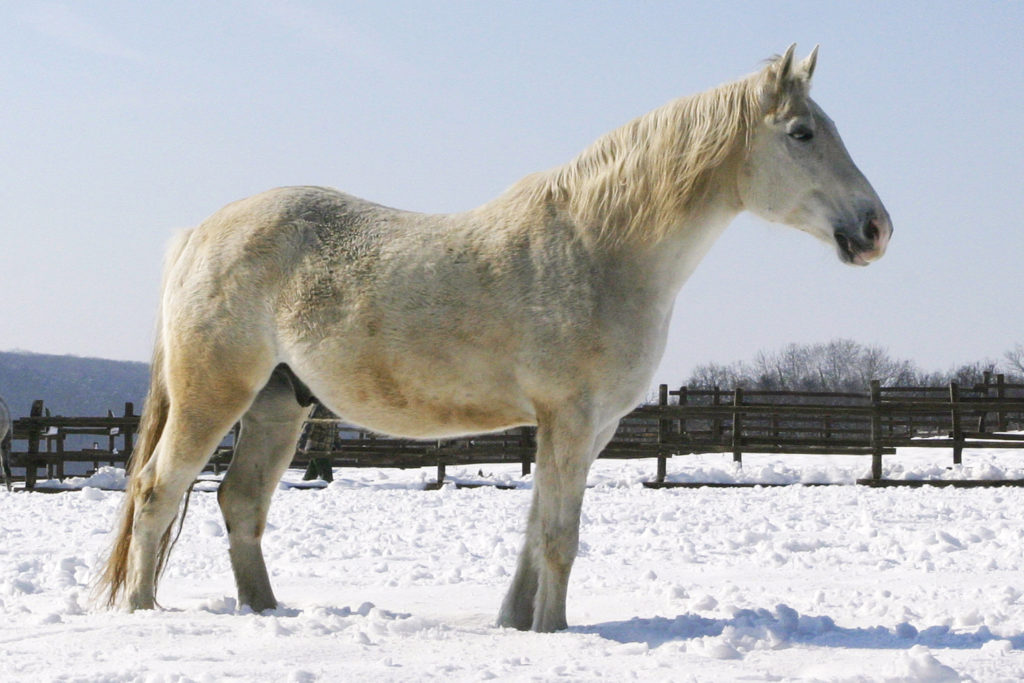
With proper care, senior horses can prosper. Here are a few points to consider.

Researchers know horse body weight, BCS, and body fat percentage appear to be correlated with blood concentrations of PGE2—a joint damage marker.

Read the latest in equine health research, news, and information presented at the 2018 British Equine Veterinary Congress in Birmingham, England.

When a horse shows signs of poor performance, rearing or bucking under saddle, and sensitivity when grooming, an owner might conclude that he has a sore back. But when is an issue truly back pain, and when is it secondary to another orthopedic issue? One veterinarian weighs in.

Researchers found that treating suspensory ligament branch tears surgically generally yielded a good prognosis and proved superior to noninvasive management. However, they cautioned, surgical intervention is lesion-specific and not applicable to all suspensory branch injuries.

Diagnosing SI injuries in horses remains challenging. One veterinarian recommends practitioners rule out other causes of pain when making a diagnosis and take a systemic approach using all available modalities.

Tendon rehab in horses should include heavy and slow loading, pain monitoring, and progressive resistance.