Diet, Exercise Can Help Some Horses with Type 2 PSSM
Researchers determined that the diet and exercise recommendations veterinarians make for horses with PSSM1 can help improve, but likely won’t eliminate, clinical signs of PSSM2 in Warmbloods.

Researchers determined that the diet and exercise recommendations veterinarians make for horses with PSSM1 can help improve, but likely won’t eliminate, clinical signs of PSSM2 in Warmbloods.

Find out how Claire Godwin, DVM, keeps her 27-year-old endurance horse PL Mercury in elite condition, from joint support to conditioning tactics.

Scintigraphy gives provides the practitioner with information about some injuries related to bone or soft-tissue connections to bone, but it might not reveal many other sources of foot pain, researchers found.

The 100-mile ride has long provided a unique opportunity to conduct research on well-conditioned endurance horses working in extreme conditions, and this year is no exception.

Caring for the older horse can require special attention to his needs. Download this free guide to find out what health issues to watch for and how to keep your senior horse happy and healthy.

Researchers know that, when used and fit properly, training aids can positively affect horses. However, improperly fitted equipment could squelch any benefits these systems offer.

Researchers found horses treated for superficial digital flexor tendonitis with a new biologic product recovered better than those that received a placebo.

Researchers have learned that fractured splint bone healing can be optimized by replacing metal screws with absorbable ones.

The summit, which was organized and underwritten by Grayson-Jockey Club Research Foundation and The Jockey Club, featured discussions on topics ranging from disaster preparedness, jockey injuries, and equine injuries to racing integrity, Thoroughbreds as sport horses, and racing surfaces.

German researchers found hoof angle changes affect horses differently and might create new problems.

Researchers performed diagnostic imaging on Standardbreds’ limbs to pick up early signs of damage to bones, muscles, tendons, and ligaments. They noted more serious lesions—and more lesions in general—in horses trained only on a firm surface.

Degeneration involves changes in the discs’ color, texture, and integrity due to age and possibly use, researchers said.

Many Thoroughbreds start racing at 2, but Justify didn’t make his first start until he was 3 and won the Triple Crown. Does this mean we shouldn’t start racing horses until they’re older? An equine surgeon and lameness specialist weighs in.
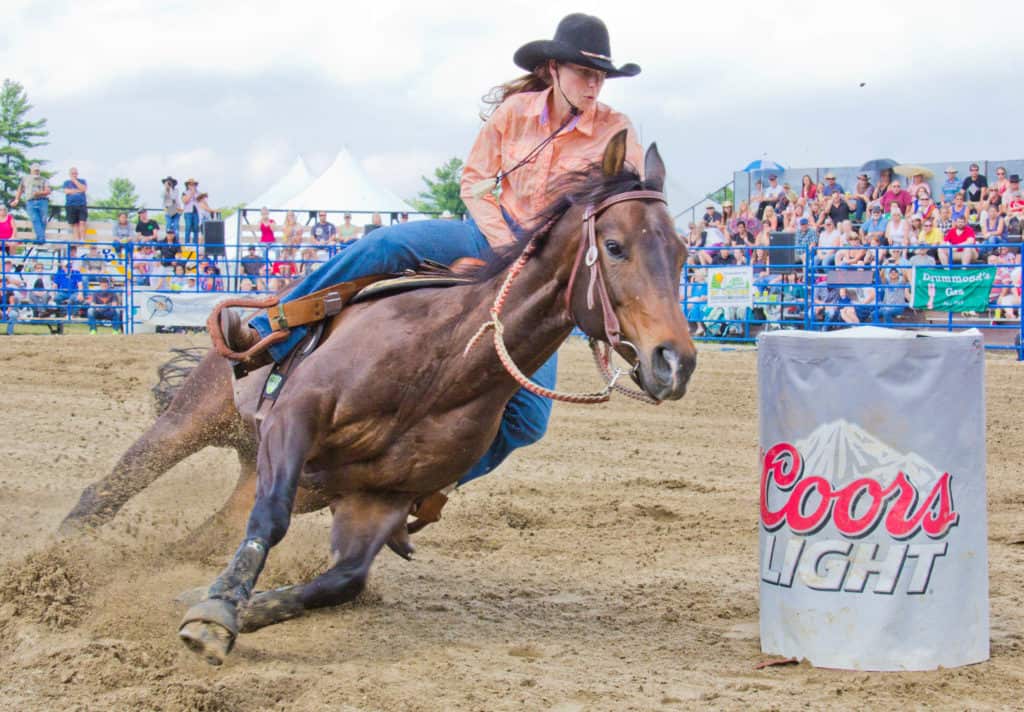
At this time there’s no evidence that EIPH affects barrel racing horses’ performance, but more research on the topic is needed, scientists say.

Trainers should be aware that joint injections can have many benefits, but veterinarians need to be careful about selecting cases to receive this treatment, one researcher said.

Once the biomarkers identified in this study are confirmed through more tests and larger samples, scientists might be able to develop treatments to prevent chronic pain, researchers said.