Collaborating to Make Horse Racing Safer
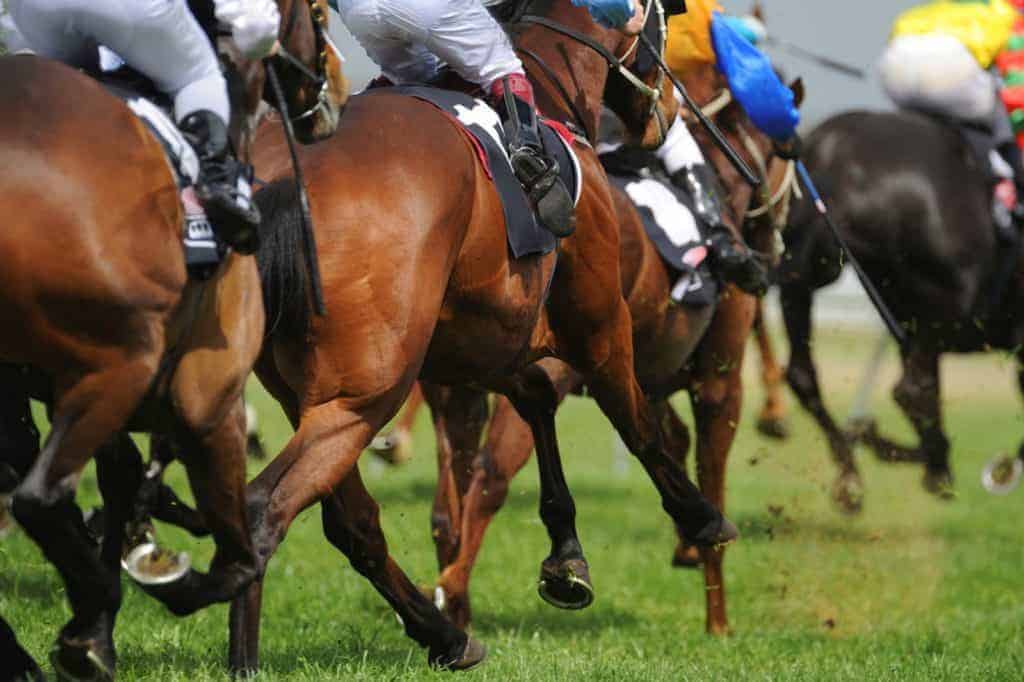
Collaborative efforts among horse health researchers, the racing industry, and governments could lead to effective measures that will improve safety for both horses and jockeys, one equitation scientist says.

Collaborative efforts among horse health researchers, the racing industry, and governments could lead to effective measures that will improve safety for both horses and jockeys, one equitation scientist says.

Boots and wraps protect the horse’s limbs. But have you ever asked yourself why or how these dressings protect a horse’s leg–or if they even do?

U.S. Olympic show jumper Kent Farrington discusses horsemanship, training, recognizing each horse’s individuality, his “ponies,” and more.

From reducing PPID-associated muscle wasting to managing IR and obesity, here’s what to consider for your old horse.
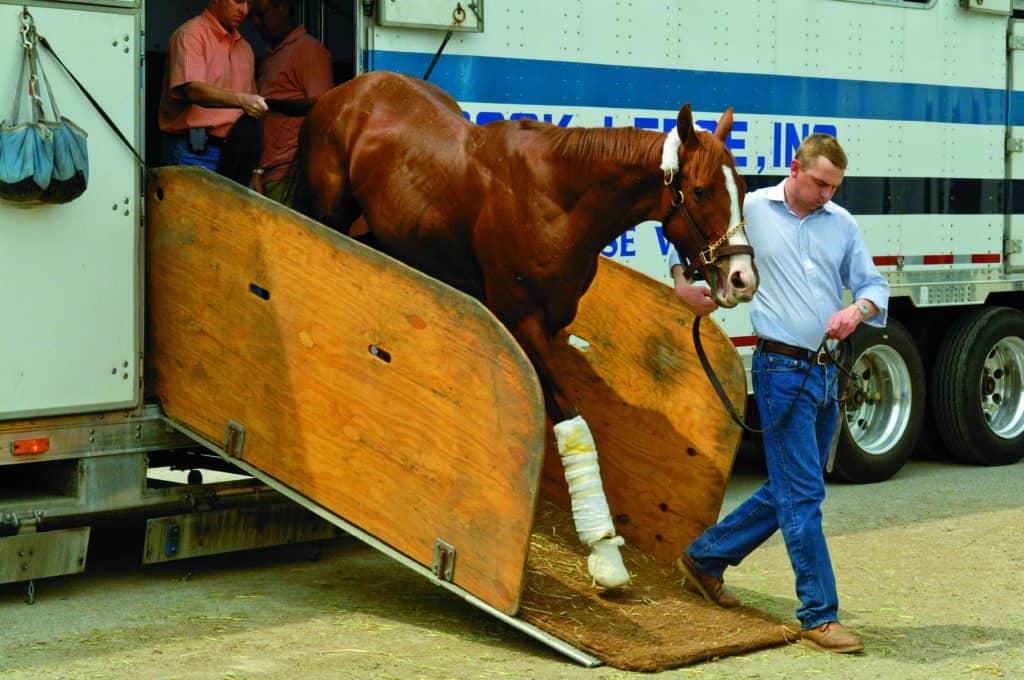
A forage-only diet and transported before exercise could positively impact horses’ exercise performance, researchers found.

An average mature horse at rest or performing light exercise requires 3.5 milligrams of iodine per day. This increases in late gestation, lactating broodmares, and horses in heavy work.
Mok used Robert Frost’s famous poem “The Road Not Taken” as an analogy to explain the developmental fate of cells that synthesize joint cartilage.

Funtional electrical stimulation, or FES, might help reduce back pain in horses with asymmetric multifidi muscles, researchers found.

Scientists hope an estimation of the forces applied to the ligaments and tendons can be used to test the soft-tissue structures’ strain when the limb is faced with variable footing and ground reaction forces.

The ultimate goal of any post-mortem exam program is to mitigate racehorse injury risk and, in turn, that of the exercise riders and jockeys involved.

Thoroughbreds conditioned on water treadmills increased both their VO2max and speed.

Researchers found that many horses not diagnosed with neck pain had bony changes in the cervical spine.

Drs. Peter Morresey and James McLeod share regenerative medicine insights from clinical and research perspectives.
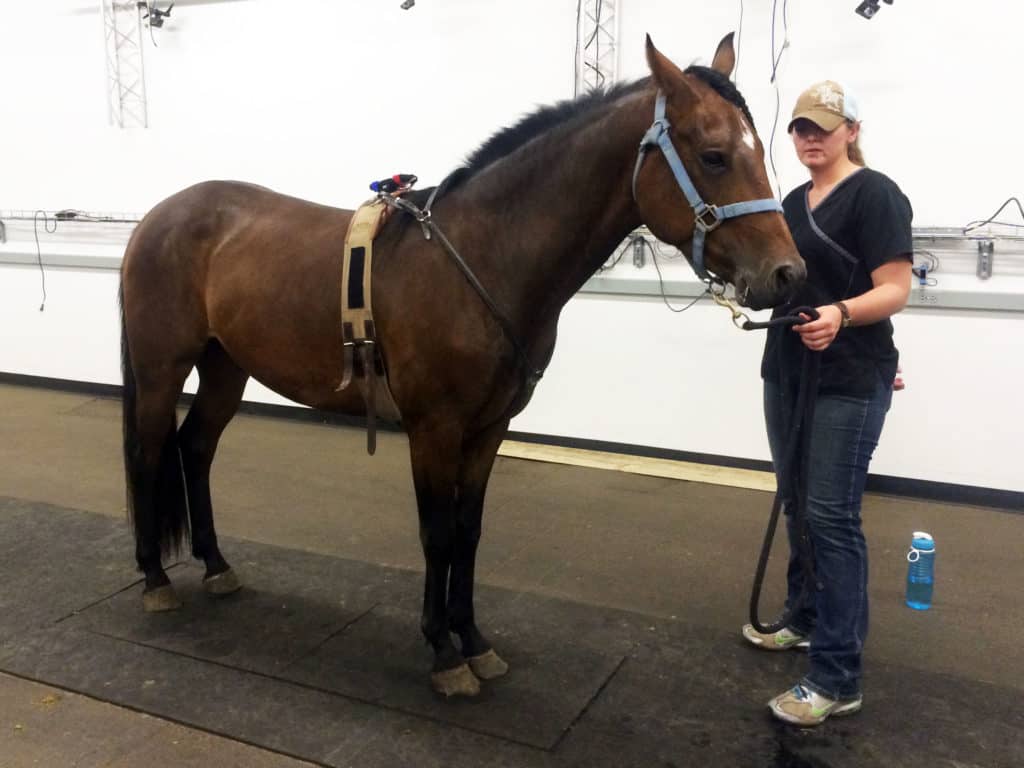
Lameness and neurologic disorders can impact equine postural stability—how a horse holds himself up in a standing position—and measuring it can help veterinarians diagnose certain disorders.
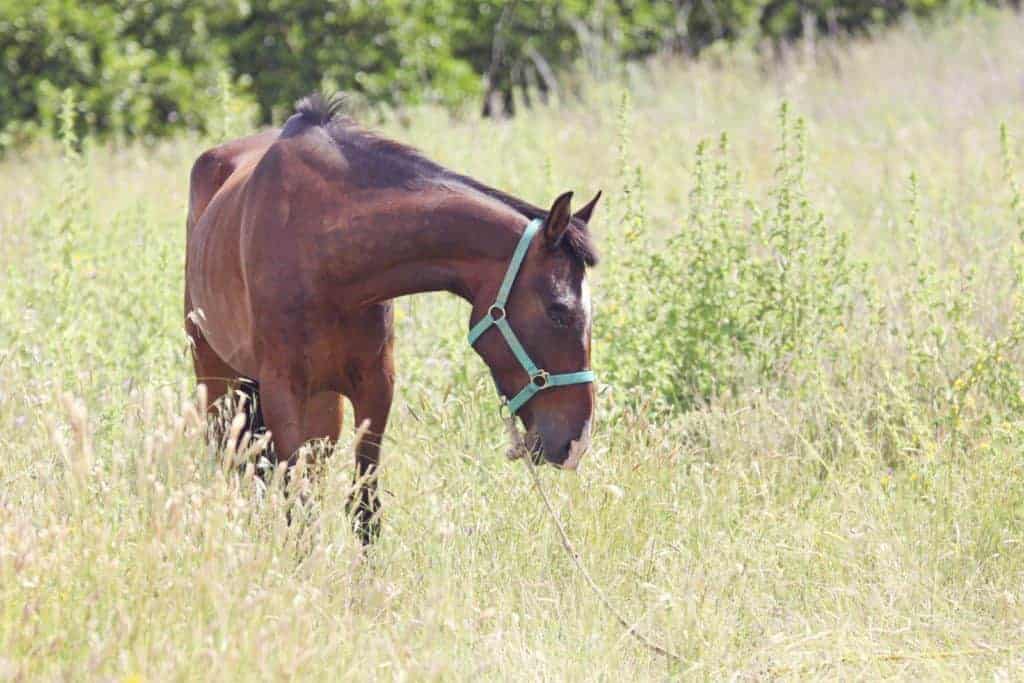
Horses with myositis experience rapid, widespread gluteal and epaxial muscle atrophy. Here’s what veterinarians know about about this immune-mediated condition.

Applying shock wave therapy immediately following PRP injection into injured soft-tissue structures might help increase the concentrations of growth factors released from the platelets, researchers found.