Which PSD Horses are Good Hind-Limb Neurectomy Candidates?
When cases are selected appropriately, the complication rate is very low and the prognosis for a full return to work is very good, one veterinarian says.

When cases are selected appropriately, the complication rate is very low and the prognosis for a full return to work is very good, one veterinarian says.

Equine Injury Database statistics revealed a modest increase in 2017 (1.61 per 1,000 starts) compared to 2016 (1.54 per 1,000 starts).

Do horses with PPID, EMS, and/or IR have a greater laminitis risk after receiving joint injections? Drs. Vern Dryden and Amanda Adams respond.

Learn more about equine sleep patterns and six different types of sleep deprivation in horses.

The more data vets have on the injuries Western horses experience, the more they can do to try to rehabilitate or prevent them, one practitioner says.

Find out how an owner’s careful management after an injury occurred likely prevented a fatal outcome for a Quarter Horse gelding.

The prognosis for performance soundness in nonracing horses diagnosed with sagittal groove injury and concurrent osteoarthritis is poor, researchers found.

Researchers are examining the rate of injury and illness in North American 2-year-old Thoroughbreds in training.
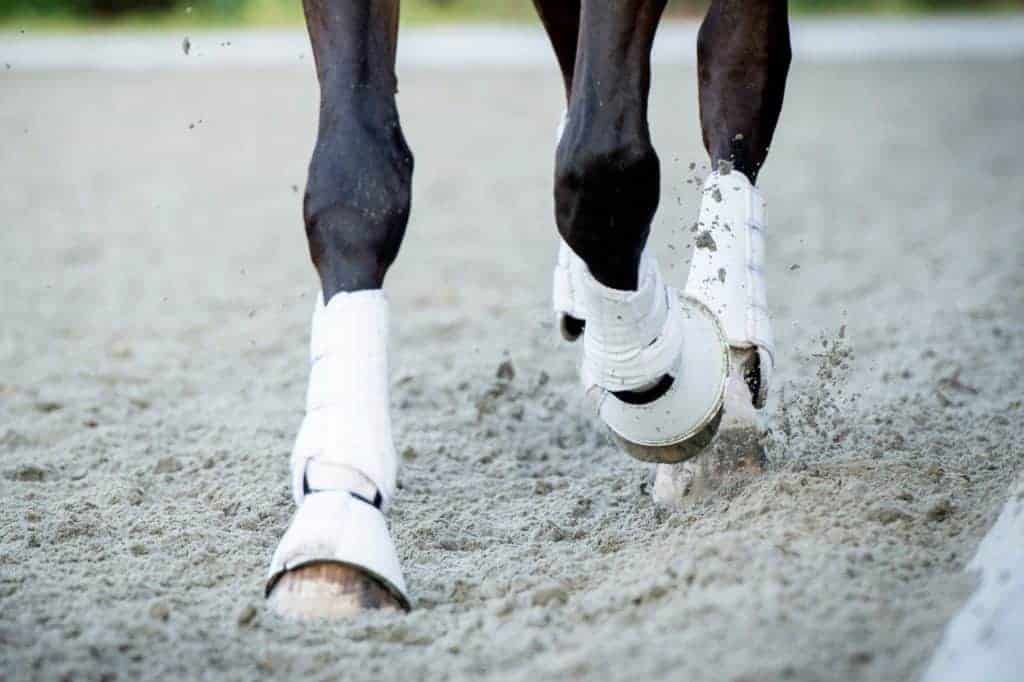
This is the second article in a series looking at how researchers test and maintain equine competition surfaces worldwide.
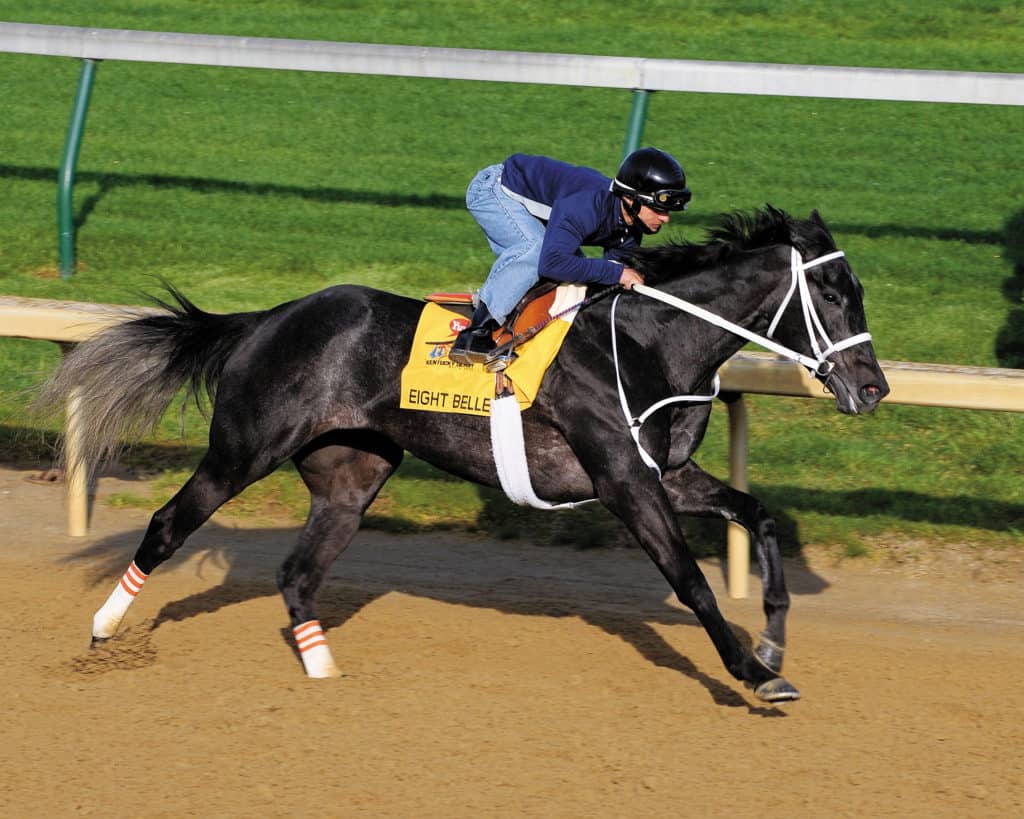
Researchers hope that, one day, they’ll be able to identify at-risk horses and intervene before a catastrophic breakdown occurs.

Seasoned sport horses often need a little extra TLC to continue performing well into middle age.

A look at racing ethics could help researchers and industry members acknowledge rightful concerns from a well-meaning public, help resolve misconceptions, and contribute to better equine welfare.
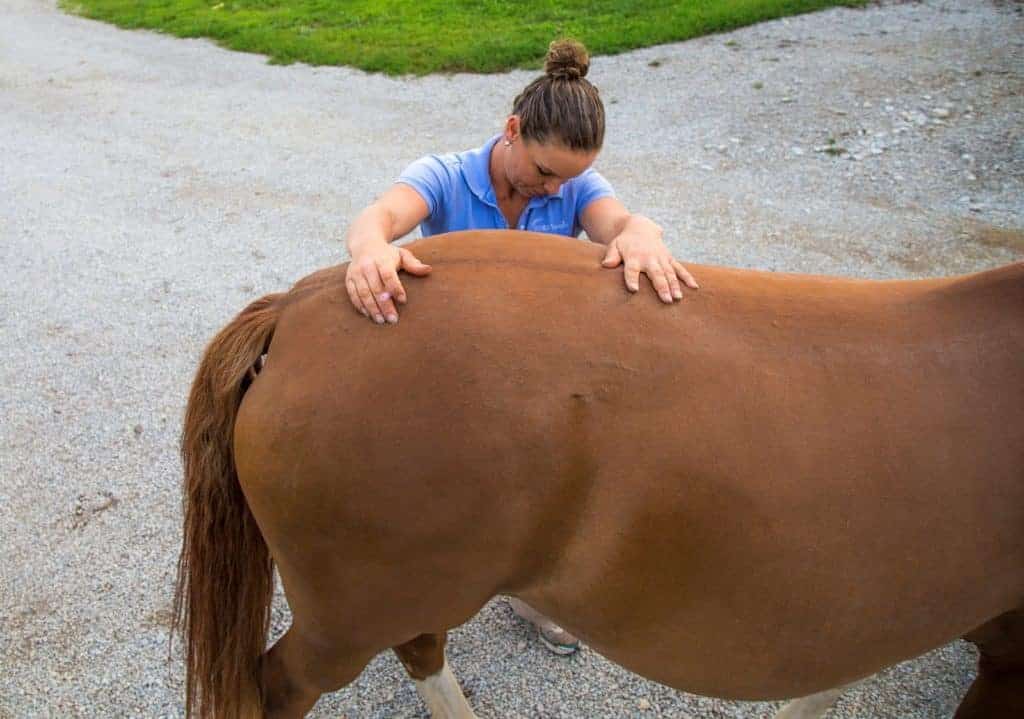
Instead of causing foot pain directly, rear hoof imbalances seem to cause more problems higher up the leg—to the hocks, stifles, glutes, and sacroiliac joint, one vet says.
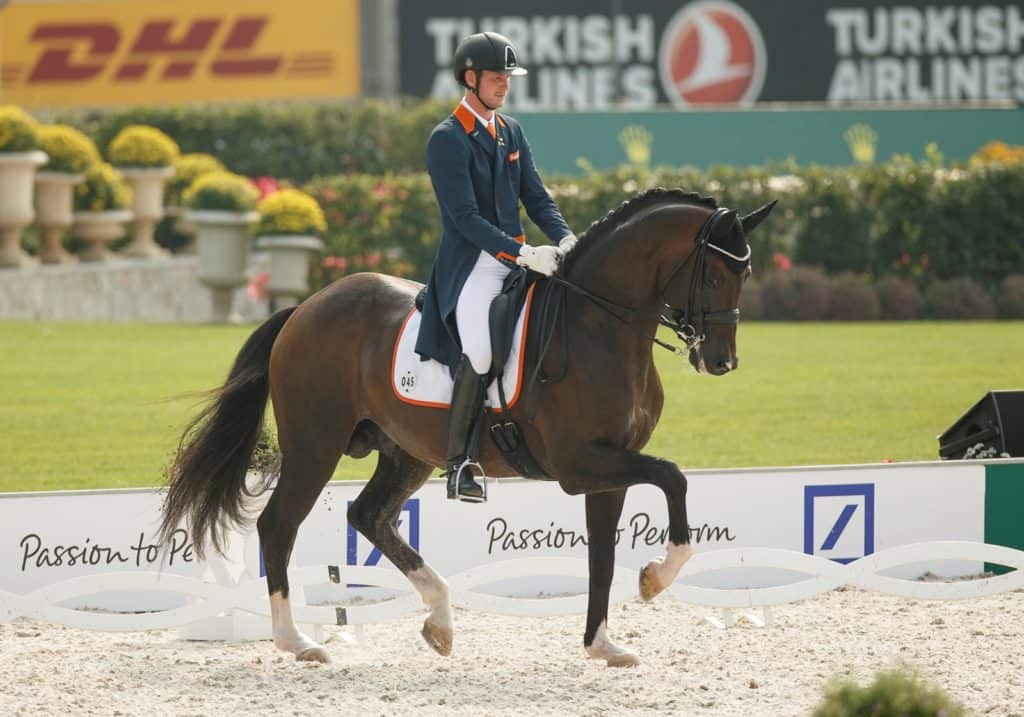
This research could help riders select dressage mounts to ensure their ability to perform the required movements while maintaining soundness.

A 15-minute tourniquet application was sufficient to achieve peak synovial amicacin concentrations in the coffin joint.

Vets discussed kissing spines, memory foam, English and Western saddle fit, rider weight, rein lameness, and more.