Kentucky Derby, Preakness Winner Charismatic Dies
A necropsy revealed a pelvic fracture caused of death of the 1999 Horse of the Year.

A necropsy revealed a pelvic fracture caused of death of the 1999 Horse of the Year.

High blood potassium levels cause hyperkalemia. Here’s what to watch for and how to treat this dangerous condition.
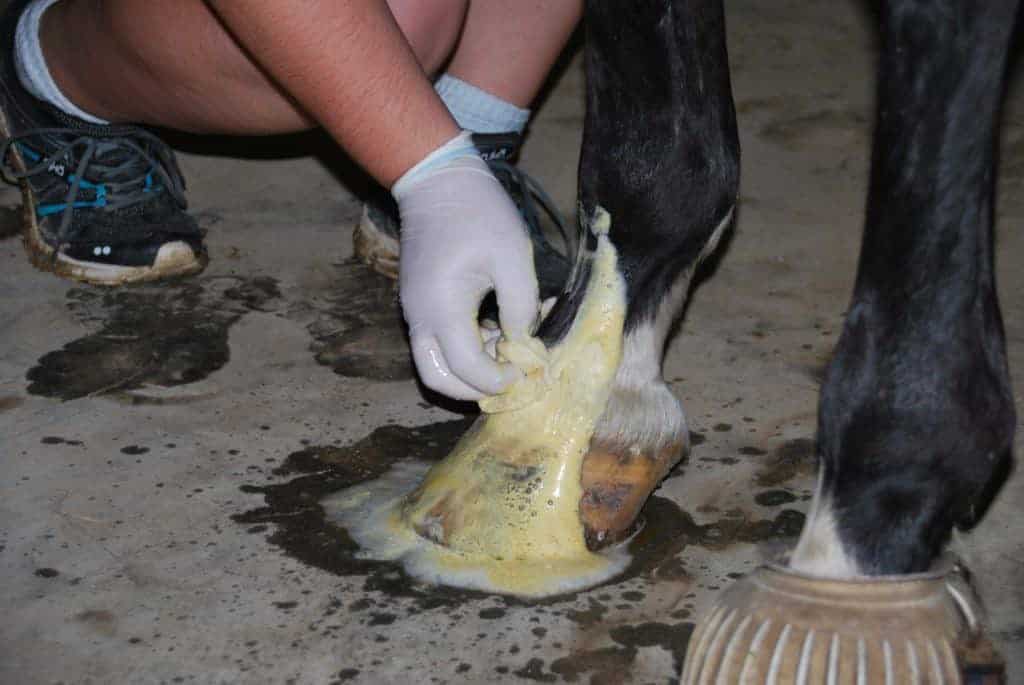
Products that don’t requiring scrubbing to remove dirt and bacteria from skin are gaining in popularity.

Ultrasonography allowed researchers to detect subclinical lesions in young foals and implement treatment promptly.

Dr. Elizabeth Santschi recaps studies on fracture recovery, joint injections, sarcoid treatments, and more.
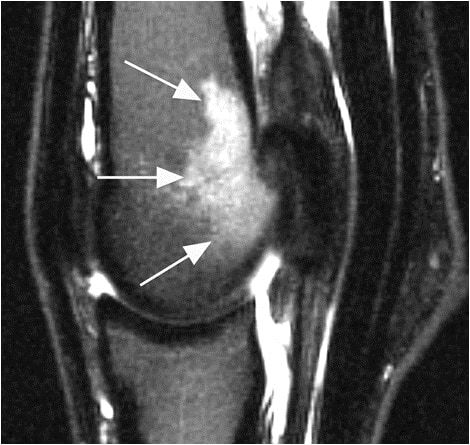
Vets use MRI to identify issues and prescribe targeted treatment to give the horse the best chance at returning to work.

Researchers found that meropenem can be useful, but should only be used when other antibiotics have failed. Here’s why.

While not frequently diagnosed, equine muscle injuries can cause pain, lameness, and poor performance in horses.

Horses with exertional myopathies can benefit from dietary modifications as well as consistent targeted exercise.

Thermography is a noninvasive, safe, and cost-effective diagnostic imaging tool used in equine health care.

One researcher describes the promising progress that’s been made in lameness diagnosis and treatment.

Vets can glean crucial information by evaluating horses with performance issues in hand, on the longe, and under saddle.

Researchers found that MRI images of bone thickness could provide critical information about fracture risk.
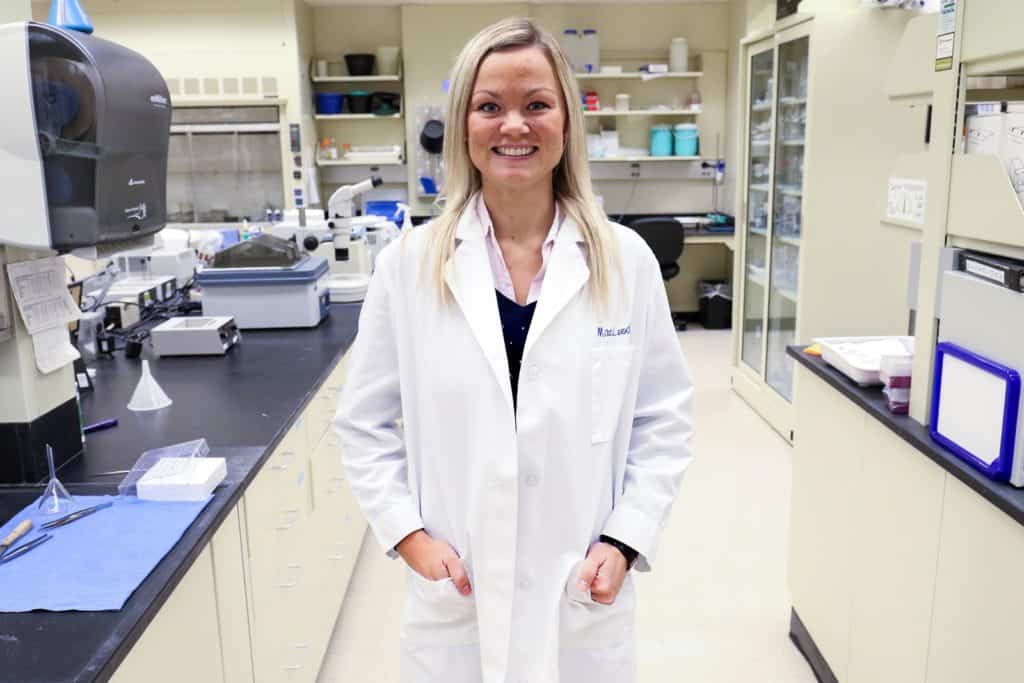
Jasmin Bagge, DVM, is studying the use of stem cells to facilitate tissue repair following injury in horses.

Of the 442 respondents, 90 (20%) use injections as a regular part of their horses’ joint management programs.
The University of Wisconsin School of Veterinary Medicine used donated funds to purchase the new equipment.